

 Freedom Index

Listen to the article
US dollar-pegged stablecoins and Bitcoin (BTC) share a “symbiotic” relationship, mutually benefitting from rising adoption, according to Sam Lyman, head of research at Bitcoin Policy Institute (BPI), a Washington DC-based digital asset advocacy organization.
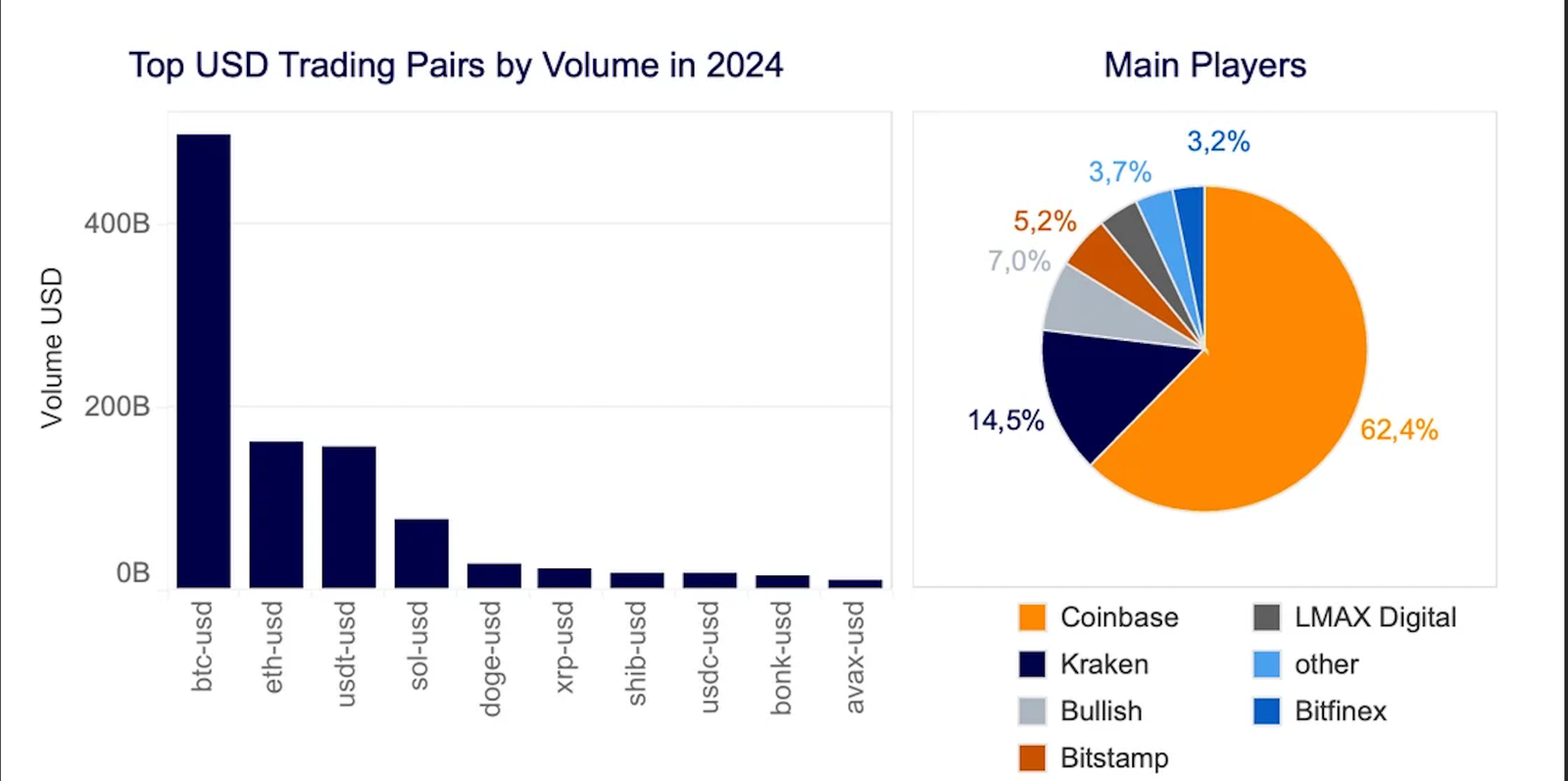
“Bitcoin is beneficial to the US system because the largest Bitcoin trading pair is BTC/USD,” or Tether’s USDt (USDT) stablecoin, which is backed by cash deposits and short-term US government debt, Lyman told Cointelegraph. He added:
“There is a symbiotic relationship between BTC and the dollar system because BTC is most frequently traded in dollars. So, I do see those things as being mutually reinforcing, which runs contrary to the narrative around BTC that it would actually undermine the dollar.”
He said Bitcoin and dollar-pegged stablecoins share a similar relationship to the dollar and oil. Under the petrodollar system, which began in the early 1970s, international oil sales are priced in dollars, driving more demand for the currency.
Lyman urged US lawmakers to continue developing stablecoin regulations introduced in the GENIUS regulatory framework, without deviating from its core principles, to strengthen and protect US dollar hegemony and remain competitive in geopolitics.
Related: Stablecoins flip automated clearing house volume in February
China clamps down on permissionless blockchain tech to push for CBDC
The People’s Republic of China has “banned” Bitcoin and stablecoins several times, because both are a “tremendous threat” to the government’s capital controls, which are a critical component of the Chinese economy, Lyman told Cointelegraph.
“The entire Chinese economy depends on capital controls. China is able to keep money within the country by preventing its elite from moving money out of the country,” he said.
This is why China reaffirmed its stablecoin ban in 2025, choosing instead to launch the digital yuan, a yield-bearing central bank digital currency (CBDC) to control capital flows and capture a larger portion of the foreign currency exchange market, Lyman said.
CBDCs are fully programmable and controlled by the government or the central bank issuing the digital fiat currency.
However, the bans have failed to actually curtail permissionless crypto activity, including Bitcoin mining and stablecoin flows to and from China, Lyman said.
Despite a blanket ban on Bitcoin mining, Chinese mining pools control more than 36% of the mining pool global hashrate, or the total amount of computing power mining pools are contributing to secure the network, according to Hashrate Index.
Magazine: Bitcoin vs stablecoins showdown looms as GENIUS Act nears
Read the full article here
Fact Checker
Verify the accuracy of this article using AI-powered analysis and real-time sources.