

 Freedom Index
Listen to the article
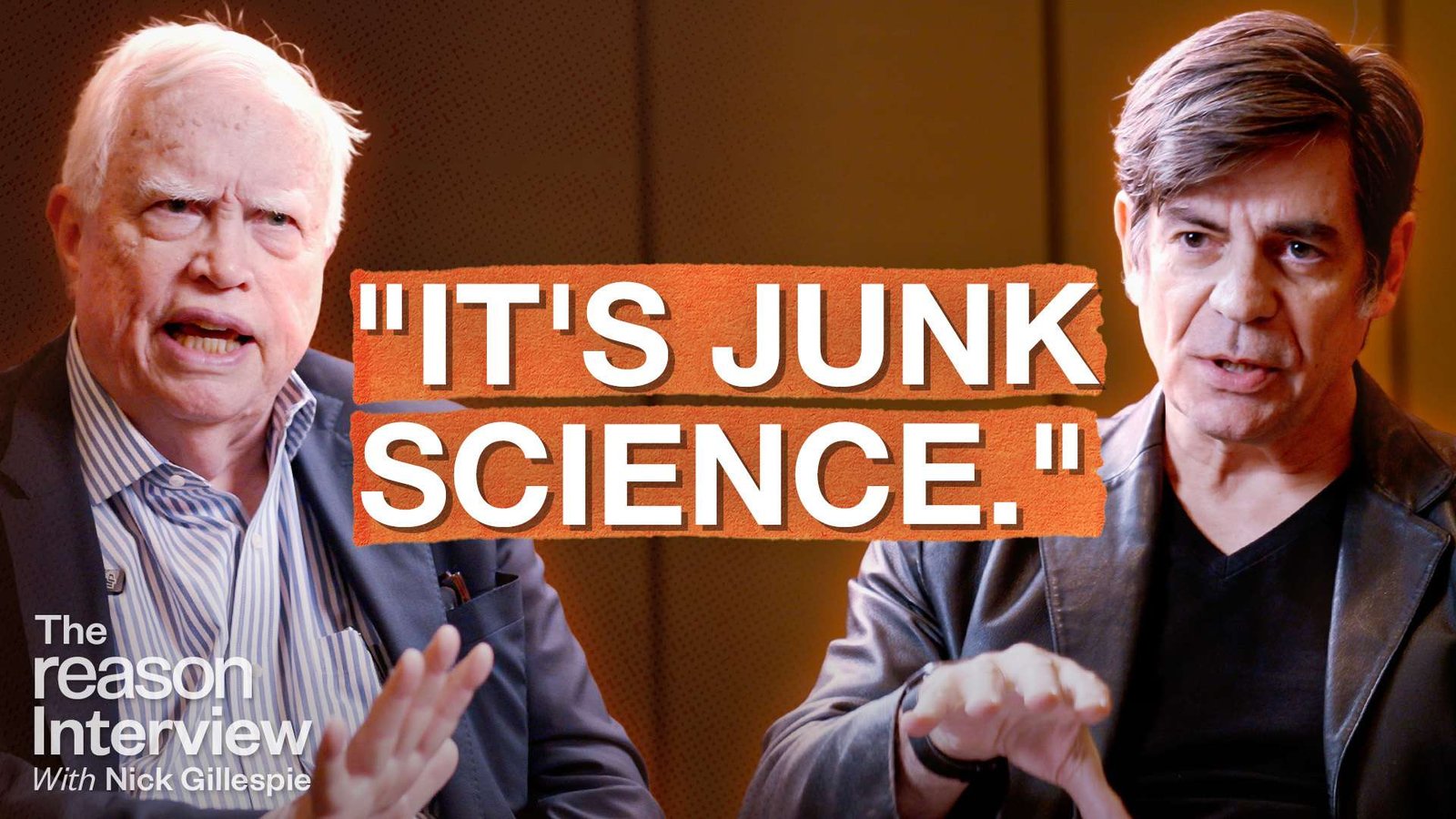
Today’s guest, Nobel Prize winner James Heckman, is one of the world’s most influential—and misunderstood—economists. His research showing that intensive, early interventions can help low-income children close achievement gaps has been, he says, willfully misinterpreted as support for expensive and unworkable universal preschool programs that he calls “political ploys.”
Nick Gillespie caught up with Heckman at the Winds of Change conference in Buenos Aires, where they discussed whether income mobility has stagnated in America, how the economics profession has been captured by status seeking rather than serious intellectual endeavors, and why AI is helping him extend the depth and breadth of his research into his 80s. They revisit his controversial 1995 Reason review of The Bell Curve, by Richard J. Herrnstein and Charles Murray, and other attempts to quantify intelligence as a fixed thing, and his critiques of economists like Raj Chetty, who argue that when it comes to economic mobility, “ZIP code is destiny.”
0:00—The experience of winning a Nobel Prize
3:04—Neighborhood effects on human development
8:02—Education and parental involvement
18:28—Universal preschool
22:31—Family environments
28:40—The problem with the GED
36:13—Title VII and Affirmative Action
40:05—When is intervention harmful?
52:57—Economic mobility
59:07—Javier Milei
1:01:43—President Donald Trump’s economy
Upcoming Reason Events
The world premiere of Escaping Venezuela is on October 13. Get your tickets here.
Today’s Sponsor
Cato Innovation Project: Design your own full-time, paid role at Cato. If we fund your idea, you spend two years executing it. Apply here: cato.org/reasonmag.
Read the full article here
Fact Checker
Verify the accuracy of this article using AI-powered analysis and real-time sources.