

 Freedom Index
Listen to the article
New York, September 28, 2026 — The Committee to Protect Journalists calls on Iranian authorities to overturn the convictions of two journalists sentenced on September 27, drop a new prosecution against a magazine editor, and immediately release veteran photojournalist Majid Saeedi, whose whereabouts remain unknown nearly three weeks after his arrest.
“The latest convictions and prosecutions show how Iranian authorities continue to weaponise the judicial system to silence critical reporting and commentary, while journalists like Majid Saeedi remain detained without any information about their fate,” said Sara Qudah, CPJ’s regional director. “Authorities must overturn these convictions, drop cases targeting journalists for their work, disclose the whereabouts of those detained and immediately release them.”
On September 27, Tehran’s Criminal Court One sentenced journalist and political analyst Abbas Abdi to one year in prison and ordered the daily newspaper Etemad to suspend publication and other activities for two months.
Abdi told CPJ that the case stemmed from his May 6, 2026, column that criticized false and unverifiable reporting, unequal access to information, and statements by hard-line figures during the war. In July, a political and press jury found Abdi and the newspaper guilty, citing in part his criticism of decisions imposed “from the street by a privileged minority.” Abdi said the prosecutor’s office was the complainant, and that he and Etemad had sought a review by Iran’s Supreme Court, where the case remains pending.
The same day, a court fined Siamak Rahmani, the editor-in-chief of the Bartarinha website, 80 million toman (about US$582), after convicting him of “propaganda against the state.” The ruling can be appealed. The case stems from a March 25 complaint filed by a judicial official over alleged “criminal content” on Rahmani’s personal Instagram account. CPJ documented at the time that the complaint followed an Instagram story in which Rahmani posted an image of a bookstore wall covered with handwritten messages, including the phrase “Long live the Shah.”
In a separate case, authorities have charged Shahram Azmoudeh, a veteran journalist and editor-in-chief of the monthly Talesh, with “propaganda against the state” and summoned him to the prosecutor’s office in Talesh, a city in the northern province of Gilan.
Azmoudeh told CPJ that his mobile phone SIM card was blocked without prior notice on September 19, preventing him from seeing a summons registered in Iran’s Sana judicial system. He learned of the case on September 26 after visiting the prosecutor’s office to investigate the disruption. He said those questioning him did not present him with specific evidence supporting the charge, but referred generally to various posts on his Instagram stories.
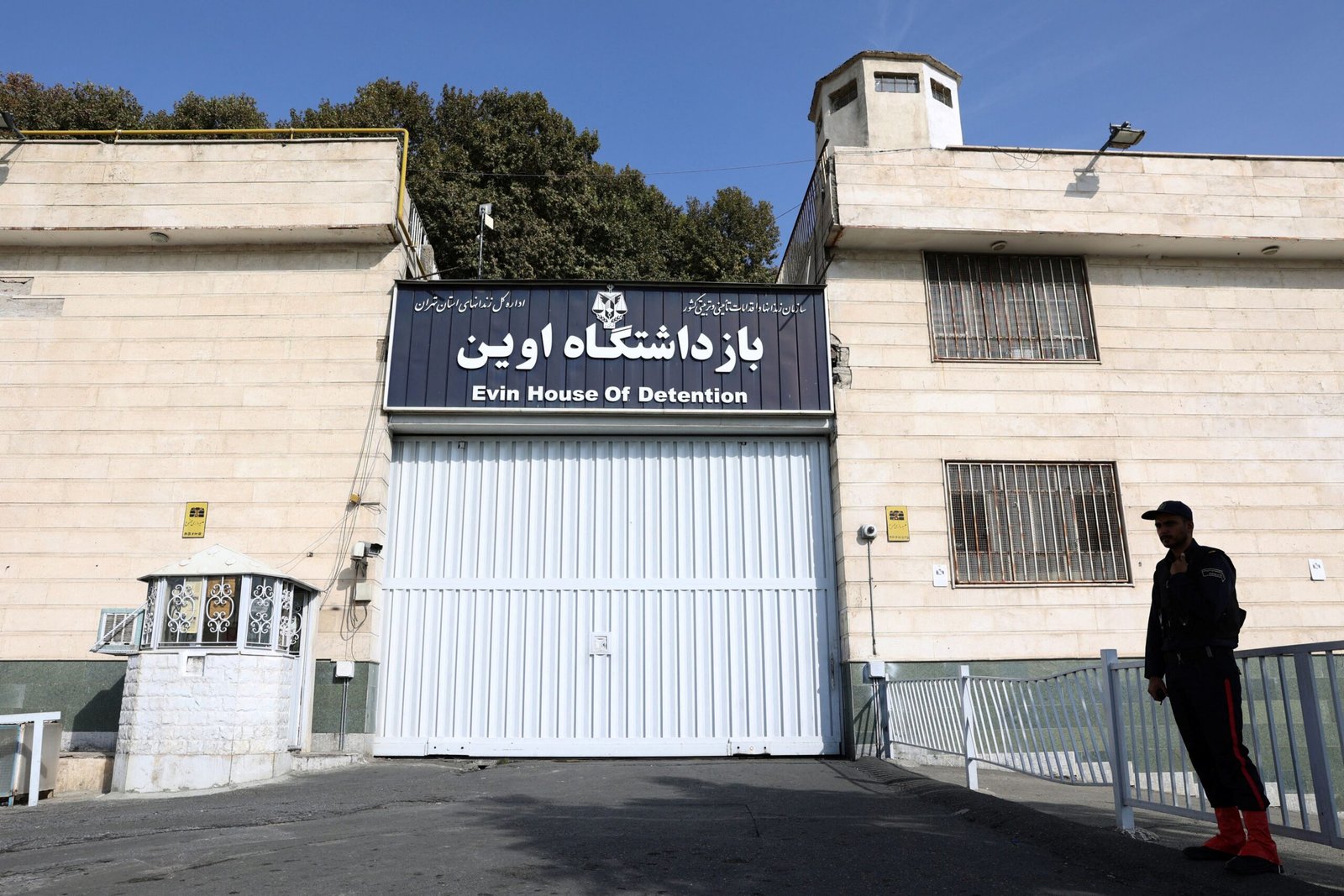
The prosecutions come as authorities continue to hold veteran freelance photojournalist Majid Saeedi, who was arrested at his Tehran home on September 9, according to his brother, Mehdi Saeedi. He told CPJ that the family had received no information about the reason for his arrest or his whereabouts.
CPJ is also investigating the September 20 arrest of Amanj Mohammadpour, a 33-year-old man from Bukan, in Iran’s northwestern West Azerbaijan province. Iranian press freedom and human rights groups identify him as a journalist. He was detained at his home by Ministry of Intelligence forces, which confiscated his laptop and mobile phone; his whereabouts and any charges against him remain unknown.
The latest cases come as Iranian journalists face intensifying restrictions, arrests, prosecutions, surveillance, censorship, and growing self-censorship, particularly since the war began in February.
CPJ emailed Iran’s mission to the United Nations in New York requesting comment but did not receive a response before publication.
Read the full article here
Fact Checker
Verify the accuracy of this article using AI-powered analysis and real-time sources.