Close Menu
FSNN | Free Speech News NetworkFSNN | Free Speech News Network
  • Home
  • News
    • Politics
    • Legal & Courts
    • Tech & Big Tech
    • Campus & Education
    • Media & Culture
    • Global Free Speech
  • Opinions
    • Debates
  • Video/Live
  • Community
  • Freedom Index
  • About
    • Mission
    • Contact
    • Support
Trending

Bitcoin slips back even as Fed rate hike expectations dwindle

10 minutes ago

Figure Loan Marketplace Volume Reaches $4.3B in Q2

15 minutes ago

Metaplanet Denies Selling $320M in Bitcoin as Firm Launches BitBonds

20 minutes ago
Facebook X (Twitter) Instagram
Facebook X (Twitter) Discord Telegram
FSNN | Free Speech News NetworkFSNN | Free Speech News Network
Market Data Newsletter
Friday, August 14
  • Home
  • News
    • Politics
    • Legal & Courts
    • Tech & Big Tech
    • Campus & Education
    • Media & Culture
    • Global Free Speech
  • Opinions
    • Debates
  • Video/Live
  • Community
  • Freedom Index
  • About
    • Mission
    • Contact
    • Support
FSNN | Free Speech News NetworkFSNN | Free Speech News Network
Home»News»Media & Culture»Puerto Rico Stole Roberto Clemente’s Trademark. The Supreme Court Should Make It Pay.
Media & Culture

Puerto Rico Stole Roberto Clemente’s Trademark. The Supreme Court Should Make It Pay.

News RoomBy News Room2 hours agoNo Comments4 Mins Read2 Views
Share Facebook Twitter Pinterest Copy Link LinkedIn Tumblr Email VKontakte Telegram
Puerto Rico Stole Roberto Clemente’s Trademark. The Supreme Court Should Make It Pay.
Share
Facebook Twitter Pinterest Email Copy Link

Listen to the article

0:00
0:00

Key Takeaways

Playback Speed

Select a Voice

Roberto Clemente needs no introduction to baseball fans. In his nearly two decades with the Pittsburgh Pirates, the Hall of Famer won two World Series titles, an MVP Award, and a dozen Gold Gloves. Clemente was known just as well for his work off the field. In 1972, just months after collecting his 3,000th hit, Clemente died in a plane crash while en route to deliver aid to earthquake victims in Nicaragua.

For more than 50 years, the Clemente family has used the Roberto Clemente trademark to preserve his legacy. The Clementes license the trademark sparingly, using it for causes like the Clemente Museum in Pittsburgh and the Roberto Clemente Foundation, which honor the life he built.

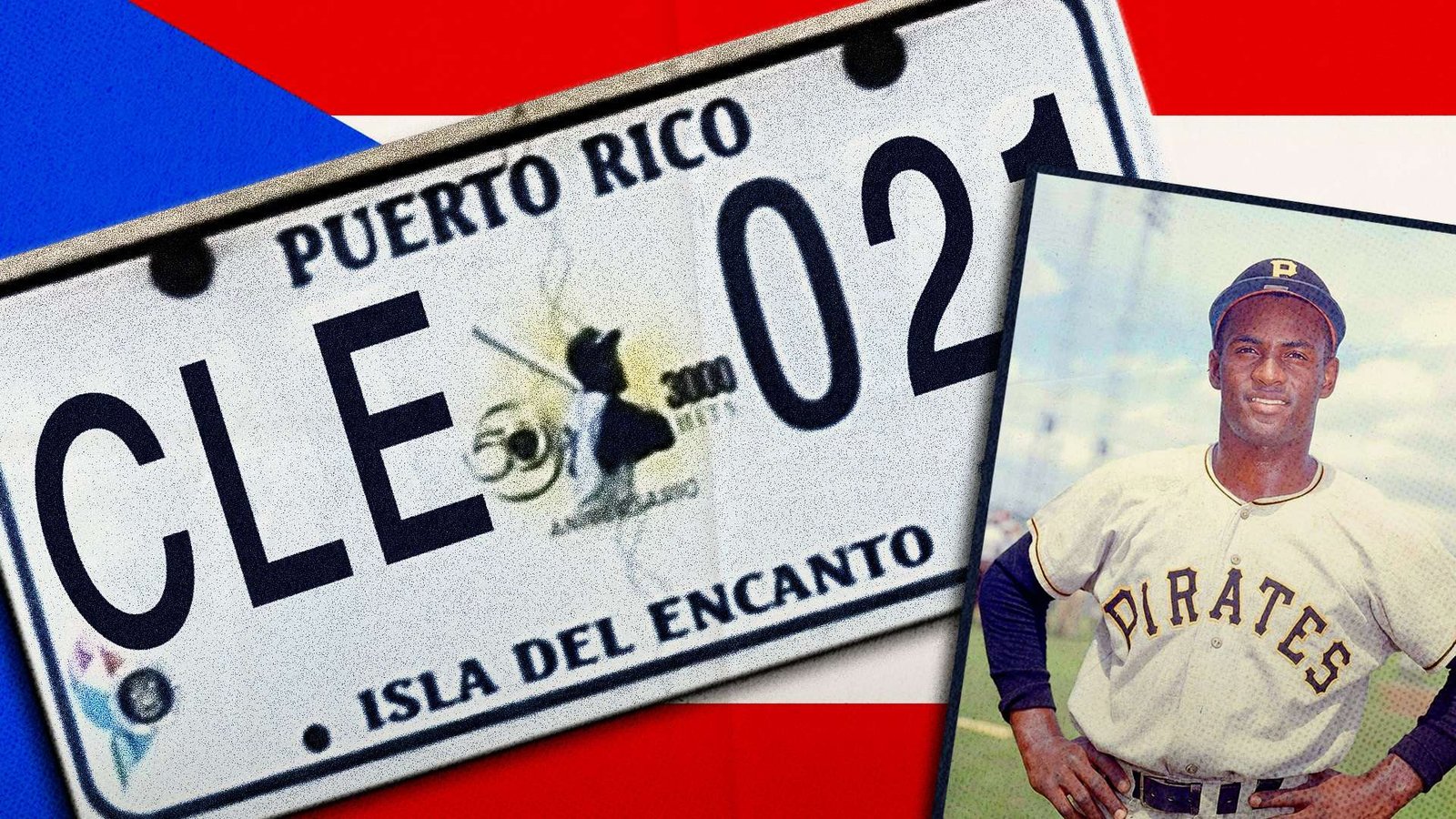
Puerto Rico wanted to capitalize on his brand. In 2022, the commonwealth forced cash-strapped Puerto Ricans to pay for commemorative license plates with Clemente’s name and image, despite the family’s objections. The government pocketed roughly $15 million from the trademark and paid the Clementes nothing. Worse, angry Puerto Ricans blamed the family for the new fee—even though the Clementes had opposed it from the start.

We at the Beacon Center of Tennessee represent the Clementes. In June, we asked the Supreme Court to take the case, as the stakes reach far beyond one baseball legend’s good name.

The Constitution’s Takings Clause says the government must pay “just compensation” when it takes private property. The rule has long been simple: The government must pay for what it takes.

This should have been an easy case based on that principle. Puerto Rico must pay because it took the Roberto Clemente trademark for its own use. But the U.S. Court of Appeals for the 1st Circuit ruled for Puerto Rico earlier this year by drawing an artificial line. The court held that the simple pay-for-what-you-take rule protects only tangible property such as land, cars, and crops. Intangible property like trademarks, trade secrets, and patents, the court said, doesn’t deserve the same protection.  

That distinction makes no sense. The plain text of the Takings Clause itself prohibits the government from taking “private property” for public use without just compensation. As the Supreme Court has recognized in Horne v. Department of Agriculture in 2015, the Constitution protects private property “without any distinction between different types.”

It could hardly be otherwise. A central aspect of a property right is the fundamental right to exclude. The government can’t force you to share your house, let strangers harvest your fields, or hand your car keys to whoever wants a ride. Your property isn’t really yours if others can use it at their leisure.

The right to exclude is no less fundamental for Americans who own intangible property. A trade secret can’t be a secret if you must divulge it to others. A patent isn’t a patent if others can make your product and sell it as their own. And a trademark, which is tied to a person’s name and reputation, can’t be a trademark if others are allowed to use it. So when Puerto Rico sold the Clemente trademark on its license plates, it didn’t just dent the trademark’s value—it obliterated the very thing that made it a trademark in the first place, just as surely as if the government had bulldozed a building.

If this ruling stands, the damage won’t stop with the Clementes. Every trademark, copyright, patent, and trade secret in America would lose its constitutional shield. A city could slap a local business’s logo on merchandise and sell it for profit. A state could lift a small inventor’s patented product and manufacture it itself. Universities could sport valuable brands like Nike or Adidas on their athletic apparel without paying those companies a dime. 

The Clementes’ case presents the Supreme Court with the chance to put some common sense back into the law: Property rights are no less worthy of protection just because intangible property is at stake. The government still must pay for what it takes.

Roberto Clemente spent his life giving to others. His family has spent the decades since making sure that generosity outlives him. It would be a fitting tribute if Clemente, five decades after his final at-bat, could hit one more home run for property owners everywhere.

Read the full article here

Fact Checker

Verify the accuracy of this article using AI-powered analysis and real-time sources.

Get Your Fact Check Report

Enter your email to receive detailed fact-checking analysis

5 free reports remaining

Continue with Full Access

You've used your 5 free reports. Sign up for unlimited access!

Already have an account? Sign in here

#Democracy #FreePress #MediaBias #NewsAnalysis #PublicOpinion
Share. Facebook Twitter Pinterest LinkedIn Tumblr Email Telegram Copy Link
News Room
  • Website
  • Facebook
  • X (Twitter)
  • Instagram
  • LinkedIn

The FSNN News Room is the voice of our in-house journalists, editors, and researchers. We deliver timely, unbiased reporting at the crossroads of finance, cryptocurrency, and global politics, providing clear, fact-driven analysis free from agendas.

Related Articles

Cryptocurrency & Free Speech Finance

Metaplanet Denies Selling $320M in Bitcoin as Firm Launches BitBonds

20 minutes ago
Media & Culture

Court Dismisses Government’s Title VI Anti-Semitism Lawsuit Against Harvard

53 minutes ago
Debates

Cambridge and the Stigmatisation of Intelligence Research

1 hour ago
Cryptocurrency & Free Speech Finance

White House Lets Private Firms Hack Cybercriminals—At Their Own Legal Risk

1 hour ago
Cryptocurrency & Free Speech Finance

Anthropic Is Quietly Watermarking Every Claude AI Output. Builders Are Already Trying to Break It

2 hours ago
Media & Culture

How Karoline Leavitt Changed the White House Press Room

3 hours ago
Add A Comment
Leave A Reply Cancel Reply

Editors Picks

Figure Loan Marketplace Volume Reaches $4.3B in Q2

15 minutes ago

Metaplanet Denies Selling $320M in Bitcoin as Firm Launches BitBonds

20 minutes ago

Court Dismisses Government’s Title VI Anti-Semitism Lawsuit Against Harvard

53 minutes ago

Cambridge and the Stigmatisation of Intelligence Research

1 hour ago
Latest Posts

MUFG to test real-time blockchain settlement for Japanese government bond trades

1 hour ago

Trezor Reports Data from 14K Users Exposed Through Shipping Provider

1 hour ago

White House Lets Private Firms Hack Cybercriminals—At Their Own Legal Risk

1 hour ago

Subscribe to News

Get the latest news and updates directly to your inbox.

At FSNN – Free Speech News Network, we deliver unfiltered reporting and in-depth analysis on the stories that matter most. From breaking headlines to global perspectives, our mission is to keep you informed, empowered, and connected.

FSNN.net is owned and operated by GlobalBoost Media
, an independent media organization dedicated to advancing transparency, free expression, and factual journalism across the digital landscape.

Facebook X (Twitter) Discord Telegram
Latest News

Bitcoin slips back even as Fed rate hike expectations dwindle

10 minutes ago

Figure Loan Marketplace Volume Reaches $4.3B in Q2

15 minutes ago

Metaplanet Denies Selling $320M in Bitcoin as Firm Launches BitBonds

20 minutes ago

Subscribe to Updates

Get the latest news and updates directly to your inbox.

© 2026 GlobalBoost Media. All Rights Reserved.
  • Privacy Policy
  • Terms of Service
  • Our Authors
  • Contact

Type above and press Enter to search. Press Esc to cancel.

🍪

Cookies

We and our selected partners wish to use cookies to collect information about you for functional purposes and statistical marketing. You may not give us your consent for certain purposes by selecting an option and you can withdraw your consent at any time via the cookie icon.

Cookie Preferences

Manage Cookies

Cookies are small text that can be used by websites to make the user experience more efficient. The law states that we may store cookies on your device if they are strictly necessary for the operation of this site. For all other types of cookies, we need your permission. This site uses various types of cookies. Some cookies are placed by third party services that appear on our pages.

Your permission applies to the following domains:

  • https://fsnn.net
Necessary
Necessary cookies help make a website usable by enabling basic functions like page navigation and access to secure areas of the website. The website cannot function properly without these cookies.
Statistic
Statistic cookies help website owners to understand how visitors interact with websites by collecting and reporting information anonymously.
Preferences
Preference cookies enable a website to remember information that changes the way the website behaves or looks, like your preferred language or the region that you are in.
Marketing
Marketing cookies are used to track visitors across websites. The intention is to display ads that are relevant and engaging for the individual user and thereby more valuable for publishers and third party advertisers.