

 Freedom Index
Listen to the article
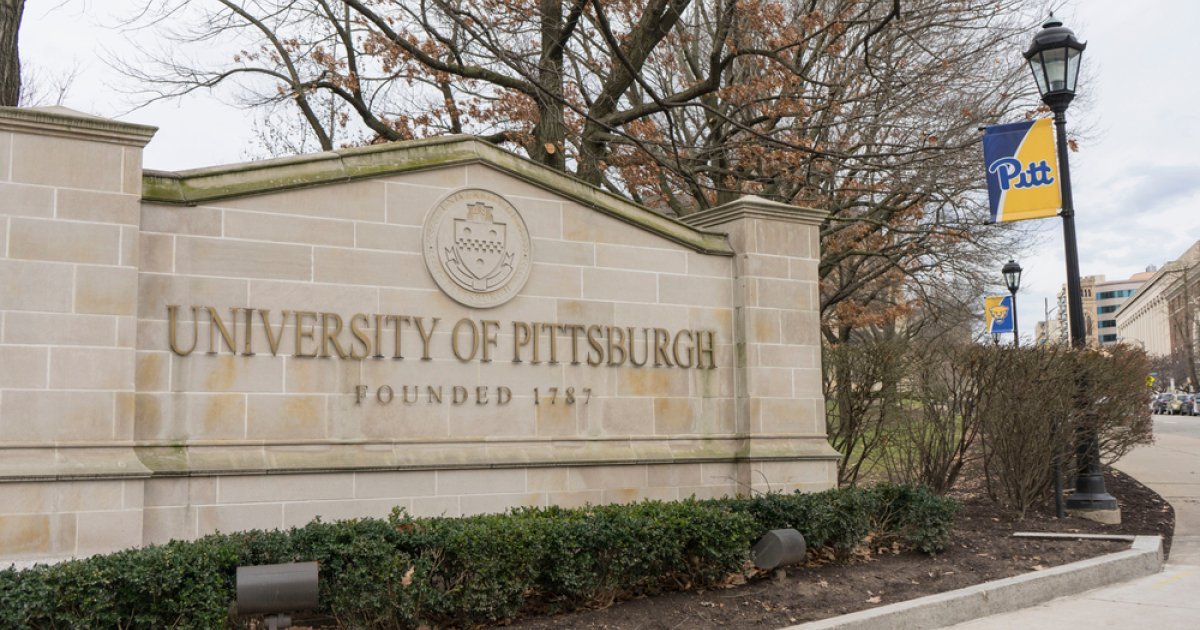
When former University of Pittsburgh student and freelance journalist Henry Bard tried to get records from his campus police department last year, the university swiftly said no.
Most public universities nationwide fall under their states’ open-records laws, but not Pennsylvania’s — Pitt, Pennsylvania State University, Temple University, and Lincoln University are not legally classified as “state agencies,” but “state-related” institutions. The difference may seem semantic, but the distinction means these four schools, and their campus police departments, are not subject to the state’s Right-to-Know-Law.
That keeps the press and public in the dark. But a new legal challenge to the University of Pittsburgh Police Department’s refusal to provide records could change that.
Into the light
In April 2025, Bard requested records about Pitt PD’s purchase and use of less-lethal munitions during demonstrations at the school’s 2024 pro-Palestinian encampment.
Pitt denied the request the same day Bard sent it. The university’s assistant legal counsel specifically cited the state’s RTKL, which “exempts state-related universities such as Pitt from the definition of Commonwealth agencies.”
Bard appealed the denial to the Pennsylvania Office of Open Records, which upheld Pitt’s decision. With representation from the Reporters Committee for Freedom of the Press, Bard again appealed to a state court, arguing that since Pitt PD operates under governmental control, serves a governmental function, and is under government oversight for financial decisions, it qualifies as a local agency. Pitt PD is the “third-largest law enforcement agency in Allegheny County,” and its officers must maintain state certification, according to Bard’s court filing.
The court held a hearing on June 24, and if it takes up the case, it could bring the university’s police department into the light after decades outside the purview of the state’s transparency law.
Cardinal rule
Public universities should not operate as a black box. Student journalists often serve as watchdogs at their institutions, and public records are vital to their reporting. They rely on public records to help get scoops, vet sources, and confirm facts. Professional reporters and the public also use transparency laws to keep a close eye on state-funded institutions.
In most states, public university police departments are also subject to open-records laws. Even some private university police departments may be subject to such laws depending on the jurisdiction.
Like Bard, Vincent Porco, Editor-in-chief of The Louisville Cardinal, had his own public records fight. Porco ran into a string of redactions and denials to requests made of the University of Louisville in the spring. But after coaching from FIRE’s Student Press Freedom Initiative hotline, he advocated for those records’ release. The university complied, allowing the Cardinal to identify a man who had been banned from campus.
Those kinds of requests improve the quality of journalism and allow for more accountability on public college campuses. But that transparency is lacking at Pitt, Penn State, Temple, and Lincoln.
Shining a light on campus crime
Unlike Porco’s fairly straightforward open records fight, Bard’s has wound its way through the state’s open records office and now to the courtroom. And as we wait for updates on the case, those seeking transparency for Pennsylvania’s state-related universities and their police departments are not without options.
Whether you are seeking campus crime information from one of these state-related institutions or a private university or college, you can take advantage of the Clery Act. The Clery Act requires nearly all colleges and universities — public and private — to maintain a publicly accessible daily crime log that must be updated every 48 hours.
While not as detailed as other public records from other campus police departments, it includes the nature, date, and location of the crime, when it was reported, and the disposition of the complaint. (And student journalists who can’t get this information should contact SPFI.)
Student journalists rely on open records laws to be the watchful eyes on behalf of the public on their campuses, including their campus’s police departments. Transparency is vital to ensure accountability for all public institutions, regardless of what they’re called. The more light shed on these institutions, the brighter the future is for transparency.
Read the full article here
Fact Checker
Verify the accuracy of this article using AI-powered analysis and real-time sources.