Close Menu
FSNN | Free Speech News NetworkFSNN | Free Speech News Network
  • Home
  • News
    • Politics
    • Legal & Courts
    • Tech & Big Tech
    • Campus & Education
    • Media & Culture
    • Global Free Speech
  • Opinions
    • Debates
  • Video/Live
  • Community
  • Freedom Index
  • About
    • Mission
    • Contact
    • Support
Trending

Ripple Co-Founder Invests in Crypto Venture Founded by US Senator’s Son: Report

28 seconds ago

OpenAI Offers US Government a $42 Billion Slice of Itself: Report

5 minutes ago

Our university is trying to discredit our paper, but that won’t stop us from telling the truth

36 minutes ago
Facebook X (Twitter) Instagram
Facebook X (Twitter) Discord Telegram
FSNN | Free Speech News NetworkFSNN | Free Speech News Network
Market Data Newsletter
Thursday, July 2
  • Home
  • News
    • Politics
    • Legal & Courts
    • Tech & Big Tech
    • Campus & Education
    • Media & Culture
    • Global Free Speech
  • Opinions
    • Debates
  • Video/Live
  • Community
  • Freedom Index
  • About
    • Mission
    • Contact
    • Support
FSNN | Free Speech News NetworkFSNN | Free Speech News Network
Home»News»Media & Culture»Do Americans Have a ‘Freedom to Fix’ Their Cars?
Media & Culture

Do Americans Have a ‘Freedom to Fix’ Their Cars?

News RoomBy News Room3 hours agoNo Comments4 Mins Read294 Views
Share Facebook Twitter Pinterest Copy Link LinkedIn Tumblr Email VKontakte Telegram
Do Americans Have a ‘Freedom to Fix’ Their Cars?
Share
Facebook Twitter Pinterest Email Copy Link

Listen to the article

0:00
0:00

Key Takeaways

Playback Speed

Select a Voice

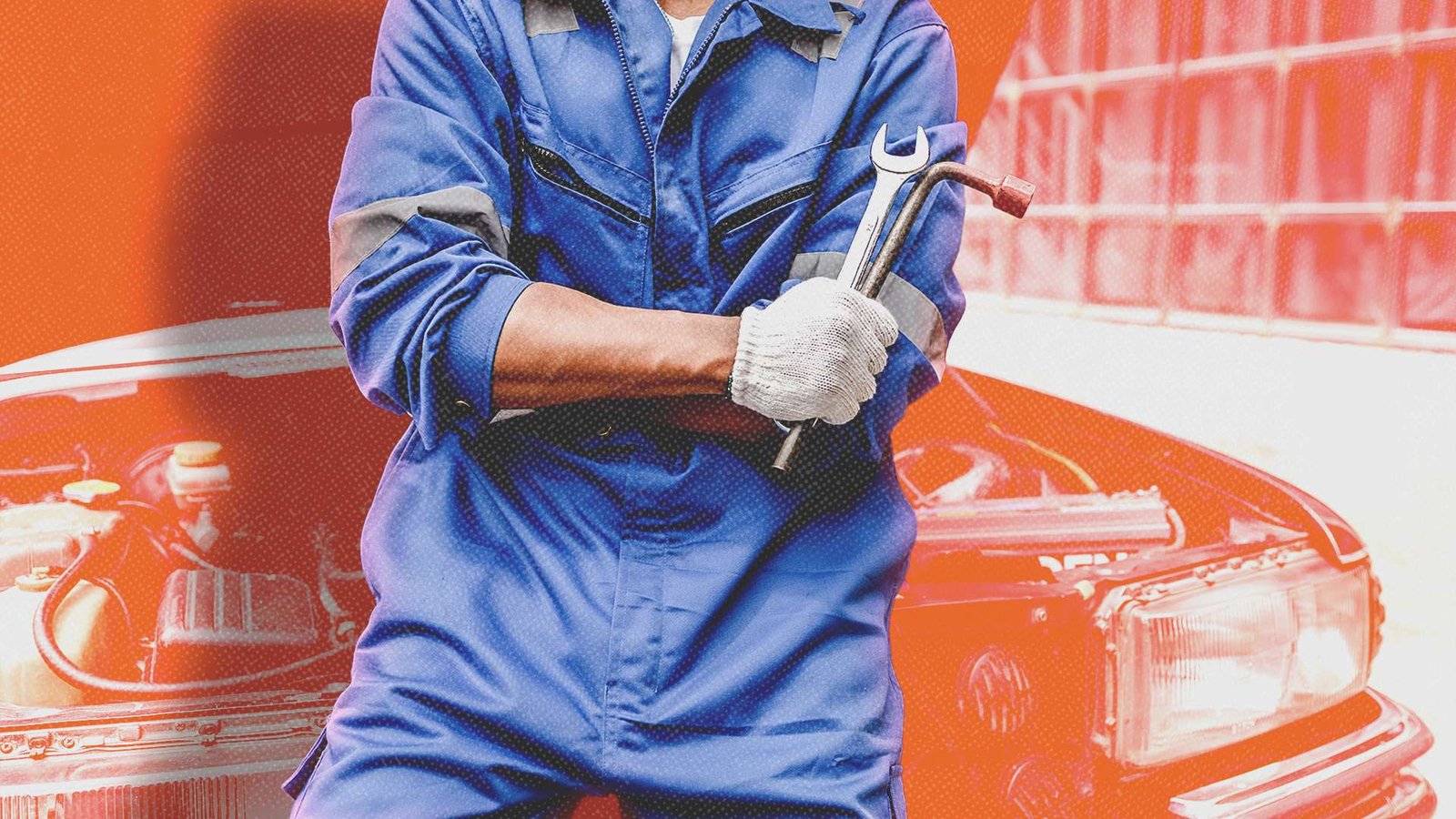
This week, President Donald Trump signed a “Freedom to Fix” memo, reviving debates over how easy it should be for Americans to fix their cars. 

The memo, signed on Monday, asks the Environmental Protection Agency (EPA) to clarify “what actions individuals may take on their own vehicles to conduct emission repairs” consistent with the Clean Air Act (CAA). The memo also seeks to lower repair costs by reducing reliance on the California Air Resources Board, the sole certifier of CAA-approved aftermarket parts. Finally, it states that the EPA “shall consider deprioritizing civil tampering enforcement actions against anyone who, in good faith, attempts to fix his or her own vehicle to its original configuration.”

Headlines about Trump’s recent memo conflated the push for relaxing EPA restrictions with the broader right-to-repair movement. But it appears to be another escalatory action against California-led vehicle regulations and environmental standards. Marc Scribner, senior transportation policy analyst at Reason Foundation—the nonprofit that publishes this magazine—says he “wouldn’t put the Trump memo (and similar previous actions in agriculture) in the same category” and doesn’t expect the action to have “a huge impact” on costs. Still, the president has waded into the right-to-repair debate before, and lawmakers, including Rep. Marie Gluesenkamp Perez (D–Wash.), have pushed for national right-to-repair legislation.  

Right-to-repair laws may sound draconian and absurd. The term suggests that in places unprotected by these laws, federal agents are tracking down Americans attempting to repair their cars and bludgeoning them with their own wrenches. Rather, these laws require manufacturers to provide information and certain parts to product owners so they may fix electronic devices, appliances, and cars. 

The right to repair is not enforced nationwide, which has created a confusing patchwork of regulations. As a recent Newsweek map illustrates, only Massachusetts and Maine have comprehensive automotive right-to-repair laws. Some states, including California, Colorado, Minnesota, and Oregon, have right-to-repair laws for nonautomotive products like consumer electronics, farm equipment, and appliances. Connecticut’s right-to-repair law went into effect on July 1, covering home appliances and electronics. 

While the right-to-repair issue feels straightforward—after all, who does not want to be able to repair their own car?—it has often played out as a battle between independent auto repair shops and car manufacturers, as a contentious 2020 Massachusetts ballot initiative campaign demonstrated. The measure in question would have required car manufacturers to provide diagnostic data to consumers and independent mechanic shops. Car manufacturers, who would see a significant share of their business lost to independent mechanics and car repair chains, opposed the measure and poured tens of millions of dollars into the campaign, making it the most expensive ballot initiative campaign in the state’s history, Reason reported at the time. Despite this aggressive spending, the measure passed with overwhelming voter support. 

Opponents have argued that giving consumers access to electronics data raises intellectual property and liability problems, while supporters say these concerns are overblown. Others have said right-to-repair laws are not necessary in the first place. As Ike Brannon, then a visiting fellow at the Cato Institute, has argued, the right-to-repair debate “obscures the reality that most repairs currently can be completed by owners or third parties and that manufacturers have taken steps to help clarify and expand precisely what their consumers can do on their own.” 

While right-to-repair laws empower DIYers, they also involve the state in what would otherwise be voluntary interactions between consumers and companies. Ideally, consumers would opt for products that last (or that are easily repairable), and companies would respond to their demands. But as cars become more technologically advanced, right-to-repair laws may become not just a perk for consumers, but a necessity. For now, however, the issue remains contentious, and while Trump’s memo brings more attention to the matter, it does not change current right-to-repair laws.

Read the full article here

Fact Checker

Verify the accuracy of this article using AI-powered analysis and real-time sources.

Get Your Fact Check Report

Enter your email to receive detailed fact-checking analysis

5 free reports remaining

Continue with Full Access

You've used your 5 free reports. Sign up for unlimited access!

Already have an account? Sign in here

#CivicEngagement #Journalism #NarrativeControl #PoliticalCoverage #PublicOpinion
Share. Facebook Twitter Pinterest LinkedIn Tumblr Email Telegram Copy Link
News Room
  • Website
  • Facebook
  • X (Twitter)
  • Instagram
  • LinkedIn

The FSNN News Room is the voice of our in-house journalists, editors, and researchers. We deliver timely, unbiased reporting at the crossroads of finance, cryptocurrency, and global politics, providing clear, fact-driven analysis free from agendas.

Related Articles

Cryptocurrency & Free Speech Finance

OpenAI Offers US Government a $42 Billion Slice of Itself: Report

5 minutes ago
Media & Culture

Reason Earns 7 Southern California Journalism Awards

40 minutes ago
Cryptocurrency & Free Speech Finance

Treasury Department Sanctions Over 130 ISIS-Affiliated Crypto Wallets on Tron

1 hour ago
Media & Culture

T-Mobile Jacks Up Prices For Everybody, Ignores Years Of ‘Uncarrier’ Promises

2 hours ago
Media & Culture

J.D. Vance Hates Milton Friedman

2 hours ago
Cryptocurrency & Free Speech Finance

AI Researchers Got Chatbots to Share Cocaine Recipes Using This One Wild Trick

2 hours ago
Add A Comment
Leave A Reply Cancel Reply

Editors Picks

OpenAI Offers US Government a $42 Billion Slice of Itself: Report

5 minutes ago

Our university is trying to discredit our paper, but that won’t stop us from telling the truth

36 minutes ago

Reason Earns 7 Southern California Journalism Awards

40 minutes ago

Nasdaq listed Korean Media firm that once wanted to buy 10,000 bitcoin sells all its BTC, pivots to AI

53 minutes ago
Latest Posts

Russia on Track for Digital Ruble Rollout on Sept. 1: Central Bank Governor

1 hour ago

Treasury Department Sanctions Over 130 ISIS-Affiliated Crypto Wallets on Tron

1 hour ago

T-Mobile Jacks Up Prices For Everybody, Ignores Years Of ‘Uncarrier’ Promises

2 hours ago

Subscribe to News

Get the latest news and updates directly to your inbox.

At FSNN – Free Speech News Network, we deliver unfiltered reporting and in-depth analysis on the stories that matter most. From breaking headlines to global perspectives, our mission is to keep you informed, empowered, and connected.

FSNN.net is owned and operated by GlobalBoost Media
, an independent media organization dedicated to advancing transparency, free expression, and factual journalism across the digital landscape.

Facebook X (Twitter) Discord Telegram
Latest News

Ripple Co-Founder Invests in Crypto Venture Founded by US Senator’s Son: Report

28 seconds ago

OpenAI Offers US Government a $42 Billion Slice of Itself: Report

5 minutes ago

Our university is trying to discredit our paper, but that won’t stop us from telling the truth

36 minutes ago

Subscribe to Updates

Get the latest news and updates directly to your inbox.

© 2026 GlobalBoost Media. All Rights Reserved.
  • Privacy Policy
  • Terms of Service
  • Our Authors
  • Contact

Type above and press Enter to search. Press Esc to cancel.

🍪

Cookies

We and our selected partners wish to use cookies to collect information about you for functional purposes and statistical marketing. You may not give us your consent for certain purposes by selecting an option and you can withdraw your consent at any time via the cookie icon.

Cookie Preferences

Manage Cookies

Cookies are small text that can be used by websites to make the user experience more efficient. The law states that we may store cookies on your device if they are strictly necessary for the operation of this site. For all other types of cookies, we need your permission. This site uses various types of cookies. Some cookies are placed by third party services that appear on our pages.

Your permission applies to the following domains:

  • https://fsnn.net
Necessary
Necessary cookies help make a website usable by enabling basic functions like page navigation and access to secure areas of the website. The website cannot function properly without these cookies.
Statistic
Statistic cookies help website owners to understand how visitors interact with websites by collecting and reporting information anonymously.
Preferences
Preference cookies enable a website to remember information that changes the way the website behaves or looks, like your preferred language or the region that you are in.
Marketing
Marketing cookies are used to track visitors across websites. The intention is to display ads that are relevant and engaging for the individual user and thereby more valuable for publishers and third party advertisers.