Close Menu
FSNN | Free Speech News NetworkFSNN | Free Speech News Network
  • Home
  • News
    • Politics
    • Legal & Courts
    • Tech & Big Tech
    • Campus & Education
    • Media & Culture
    • Global Free Speech
  • Opinions
    • Debates
  • Video/Live
  • Community
  • Freedom Index
  • About
    • Mission
    • Contact
    • Support
Trending

Do Americans Have a ‘Freedom to Fix’ Their Cars?

18 seconds ago

Securitize (SECZ) takes $295M of its own tokenized stock to Solana, Avalanche amid NYSE debut

15 minutes ago

FBI Director Discloses Strategy Holdings Months After Deadline: Report

22 minutes ago
Facebook X (Twitter) Instagram
Facebook X (Twitter) Discord Telegram
FSNN | Free Speech News NetworkFSNN | Free Speech News Network
Market Data Newsletter
Thursday, July 2
  • Home
  • News
    • Politics
    • Legal & Courts
    • Tech & Big Tech
    • Campus & Education
    • Media & Culture
    • Global Free Speech
  • Opinions
    • Debates
  • Video/Live
  • Community
  • Freedom Index
  • About
    • Mission
    • Contact
    • Support
FSNN | Free Speech News NetworkFSNN | Free Speech News Network
Home»News»Media & Culture»The New Transportation Bill Puts Special Interests Above Safety
Media & Culture

The New Transportation Bill Puts Special Interests Above Safety

News RoomBy News Room1 hour agoNo Comments4 Mins Read963 Views
Share Facebook Twitter Pinterest Copy Link LinkedIn Tumblr Email VKontakte Telegram
The New Transportation Bill Puts Special Interests Above Safety
Share
Facebook Twitter Pinterest Email Copy Link

Listen to the article

0:00
0:00

Key Takeaways

Playback Speed

Select a Voice

Congress loves to wrap legislation in the language of the public interest. This year’s surface transportation reauthorization bill is no exception. Supporters describe the House Transportation Committee–passed package as a major safety bill designed to make America’s transportation system more secure and efficient.

Beneath their rhetoric lies the familiar Washington story of a bill shaped less by evidence than by the demands of organized interests.

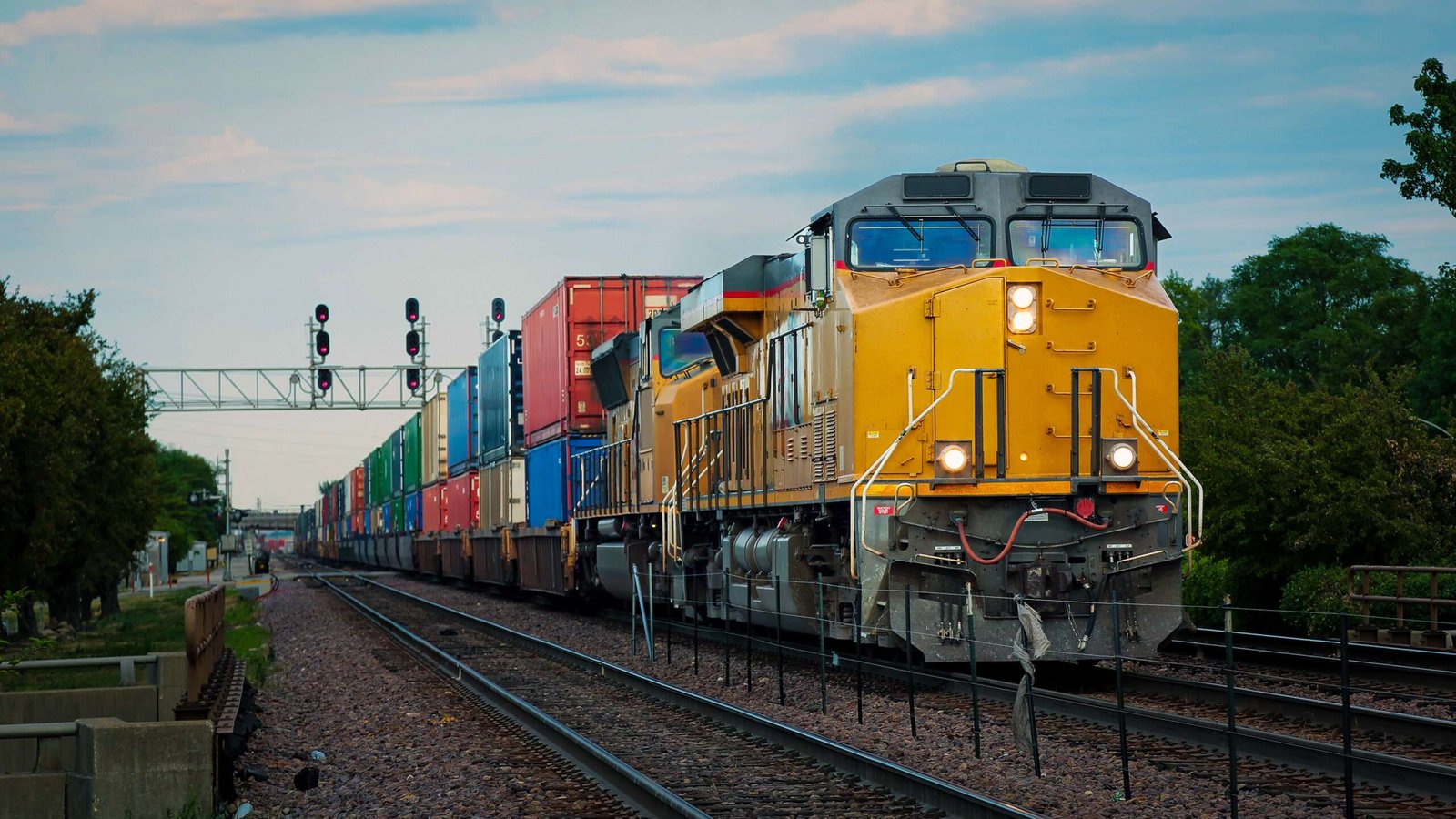
Perhaps the clearest example comes from the rail provisions. If the bill is being driven by a coherent safety philosophy, why would legislators soften rules requiring the faster replacement of old hazardous-materials tank cars, despite repeated recommendations from the independent National Transportation Safety Board? Some safety recommendations are treated as essential, while others become negotiable once influential people object.

The reason, of course, is politics, which come with clientelism.

Much of the debate over freight car inspections didn’t center on the frequency, timing, or type of inspections required—things the conversation would focus on if safety was the overriding goal. Instead, most of the argument centered on who would perform inspections.

Labor organizations pushed provisions that would narrow who counts as qualified to inspect freight cars, thereby reserving those jobs for organized carmen. They opposed railroads’ de facto practice of routing inspection volume to non-carmen staff (conductors) as a cost saver that didn’t affect safety. Legislators ultimately crafted a compromise that reflects the competing interests of these two powerful stakeholders more than measurable safety outcomes. This is regulatory capture in action.

The role of organized labor is especially revealing. At a recent Senate hearing, Teamsters union officials openly acknowledged that autonomous trucking is going to happen and that workers have historically adapted to technological changes. Rather than trying to prevent deployment of the technology altogether, they argued that policymakers should proactively focus on worker transition issues. This is sensible enough. Yet many of the same labor groups strongly oppose automation and technology deployment in freight rail, including with systems believed to improve safety and detect defects far earlier than traditional inspection methods.

Why is automation acceptable in trucking but unacceptable in rail? The distinction, once again, is less about safety than politics. Where technological change threatens existing, strongly pro-labor work rules, opposition is intense. Where resisting new tech is less practical, the conversation shifts to something else. That may be understandable from a labor relations perspective, but legislators should not treat it as a sound basis for national transportation policy.

The broader bill suffers from a litany of problems. Together, they point toward the same influence issues.

Fiscal conservatives, assuming there are still enough of them to be heard in Congress, should be particularly concerned about a package that authorizes roughly $580 billion in spending while doing little to address the long-term insolvency of the Highway Trust Fund. Legislators are instead choosing to promise more spending while avoiding the structural reforms necessary to put transportation funding on sustainable footing.

Meanwhile, they inserted a controversial new federal registration fee structure for electric and hybrid vehicles. Progressives oppose it because they believe it discourages E.V. adoption. Many conservatives oppose it because it expands federal fee collection and further entangles state governments in administering federal policy.

The growing coalition of critics extends well beyond those issues. Transit advocates argue the bill underfunds transit and passenger rail. Environmental groups oppose permitting and climate-related provisions. Labor unions object to autonomous-vehicle language. Federalism-minded Republicans question federal preemption provisions.

When a bill generates opposition from nearly every direction, it is worth asking whether legislators are solving problems or trying to accommodate too many competing interests.

That’s the deeper lesson here. Congress increasingly treats transportation policy as an exercise in stakeholder management. Instead of establishing clear goals and allowing innovation and competition to deliver results, legislators pile on mandates, carve-outs, protections, and special-interest provisions designed to satisfy whichever constituency has secured a seat at the table.

The result is predictable: Every organized interest receives something of value. Taxpayers inherit the costs.

The Senate will have an opportunity to reject this approach. Senators should evaluate every one of the House’s mandates and favors using a simple test: Does it produce a measurable public benefit that likely exceeds its cost? If the answer is no, it should be removed.

Transportation policy should be guided by safety outcomes, economic efficiency, and fiscal discipline—not by whichever stakeholders have the strongest lobbying operations. Unfortunately, Washington still struggles to distinguish between the public interest and the interests of those who are in the room.

COPYRIGHT 2026 CREATORS.COM

Read the full article here

Fact Checker

Verify the accuracy of this article using AI-powered analysis and real-time sources.

Get Your Fact Check Report

Enter your email to receive detailed fact-checking analysis

5 free reports remaining

Continue with Full Access

You've used your 5 free reports. Sign up for unlimited access!

Already have an account? Sign in here

#IndependentMedia #InformationWar #MediaBias #PoliticalMedia #PublicDiscourse
Share. Facebook Twitter Pinterest LinkedIn Tumblr Email Telegram Copy Link
News Room
  • Website
  • Facebook
  • X (Twitter)
  • Instagram
  • LinkedIn

The FSNN News Room is the voice of our in-house journalists, editors, and researchers. We deliver timely, unbiased reporting at the crossroads of finance, cryptocurrency, and global politics, providing clear, fact-driven analysis free from agendas.

Related Articles

Media & Culture

Do Americans Have a ‘Freedom to Fix’ Their Cars?

18 seconds ago
Cryptocurrency & Free Speech Finance

Securitize Begins Trading on NYSE as Tokenized Shares Land on Solana, Avalanche

26 minutes ago
Media & Culture

Thin-Skinned Palantir Loses Its Bid To Bully A Swiss Magazine Into Publishing Its Rebuttals To Embarrassing Reporting

60 minutes ago
Cryptocurrency & Free Speech Finance

Crypto Shorts Get Rekt as Bitcoin, Ethereum and XRP Rise to Weekly High Prices

1 hour ago
Media & Culture

Man Arrested For Playing Darth Vader’s Theme Music At National Guard Troops Scores Settlement

2 hours ago
Media & Culture

New York's Socialist Experiment Already Failed Once

2 hours ago
Add A Comment
Leave A Reply Cancel Reply

Editors Picks

Securitize (SECZ) takes $295M of its own tokenized stock to Solana, Avalanche amid NYSE debut

15 minutes ago

FBI Director Discloses Strategy Holdings Months After Deadline: Report

22 minutes ago

Securitize Begins Trading on NYSE as Tokenized Shares Land on Solana, Avalanche

26 minutes ago

Will Germany amend one of its most censorial laws?

57 minutes ago
Latest Posts

Thin-Skinned Palantir Loses Its Bid To Bully A Swiss Magazine Into Publishing Its Rebuttals To Embarrassing Reporting

60 minutes ago

The New Transportation Bill Puts Special Interests Above Safety

1 hour ago

Bitwise says STRC selloff signals crypto market bottom is near

1 hour ago

Subscribe to News

Get the latest news and updates directly to your inbox.

At FSNN – Free Speech News Network, we deliver unfiltered reporting and in-depth analysis on the stories that matter most. From breaking headlines to global perspectives, our mission is to keep you informed, empowered, and connected.

FSNN.net is owned and operated by GlobalBoost Media
, an independent media organization dedicated to advancing transparency, free expression, and factual journalism across the digital landscape.

Facebook X (Twitter) Discord Telegram
Latest News

Do Americans Have a ‘Freedom to Fix’ Their Cars?

18 seconds ago

Securitize (SECZ) takes $295M of its own tokenized stock to Solana, Avalanche amid NYSE debut

15 minutes ago

FBI Director Discloses Strategy Holdings Months After Deadline: Report

22 minutes ago

Subscribe to Updates

Get the latest news and updates directly to your inbox.

© 2026 GlobalBoost Media. All Rights Reserved.
  • Privacy Policy
  • Terms of Service
  • Our Authors
  • Contact

Type above and press Enter to search. Press Esc to cancel.

🍪

Cookies

We and our selected partners wish to use cookies to collect information about you for functional purposes and statistical marketing. You may not give us your consent for certain purposes by selecting an option and you can withdraw your consent at any time via the cookie icon.

Cookie Preferences

Manage Cookies

Cookies are small text that can be used by websites to make the user experience more efficient. The law states that we may store cookies on your device if they are strictly necessary for the operation of this site. For all other types of cookies, we need your permission. This site uses various types of cookies. Some cookies are placed by third party services that appear on our pages.

Your permission applies to the following domains:

  • https://fsnn.net
Necessary
Necessary cookies help make a website usable by enabling basic functions like page navigation and access to secure areas of the website. The website cannot function properly without these cookies.
Statistic
Statistic cookies help website owners to understand how visitors interact with websites by collecting and reporting information anonymously.
Preferences
Preference cookies enable a website to remember information that changes the way the website behaves or looks, like your preferred language or the region that you are in.
Marketing
Marketing cookies are used to track visitors across websites. The intention is to display ads that are relevant and engaging for the individual user and thereby more valuable for publishers and third party advertisers.