Close Menu
FSNN | Free Speech News NetworkFSNN | Free Speech News Network
  • Home
  • News
    • Politics
    • Legal & Courts
    • Tech & Big Tech
    • Campus & Education
    • Media & Culture
    • Global Free Speech
  • Opinions
    • Debates
  • Video/Live
  • Community
  • Freedom Index
  • About
    • Mission
    • Contact
    • Support
Trending

AI miner Hut 8 to pay $2.35 million to settle investor claims tied to 2023 USBTC merger

54 minutes ago

THORChain Resumes Trading More Than a Month After $10M Exploit

57 minutes ago

Bitcoin price has limited downside, likely near bottom, contrarian indicator suggests

2 hours ago
Facebook X (Twitter) Instagram
Facebook X (Twitter) Discord Telegram
FSNN | Free Speech News NetworkFSNN | Free Speech News Network
Market Data Newsletter
Tuesday, June 23
  • Home
  • News
    • Politics
    • Legal & Courts
    • Tech & Big Tech
    • Campus & Education
    • Media & Culture
    • Global Free Speech
  • Opinions
    • Debates
  • Video/Live
  • Community
  • Freedom Index
  • About
    • Mission
    • Contact
    • Support
FSNN | Free Speech News NetworkFSNN | Free Speech News Network
Home»News»Global Free Speech»CPJ dan FPU Mengungkap Kelemahan Serius dalam Penyelidikan Pembunuhan Jurnalis Rico Sempurna Pasaribu
Global Free Speech

CPJ dan FPU Mengungkap Kelemahan Serius dalam Penyelidikan Pembunuhan Jurnalis Rico Sempurna Pasaribu

News RoomBy News Room1 day agoNo Comments4 Mins Read450 Views
Share Facebook Twitter Pinterest Copy Link LinkedIn Tumblr Email VKontakte Telegram
CPJ dan FPU Mengungkap Kelemahan Serius dalam Penyelidikan Pembunuhan Jurnalis Rico Sempurna Pasaribu
Share
Facebook Twitter Pinterest Email Copy Link

Listen to the article

0:00
0:00

Key Takeaways

Playback Speed

Select a Voice

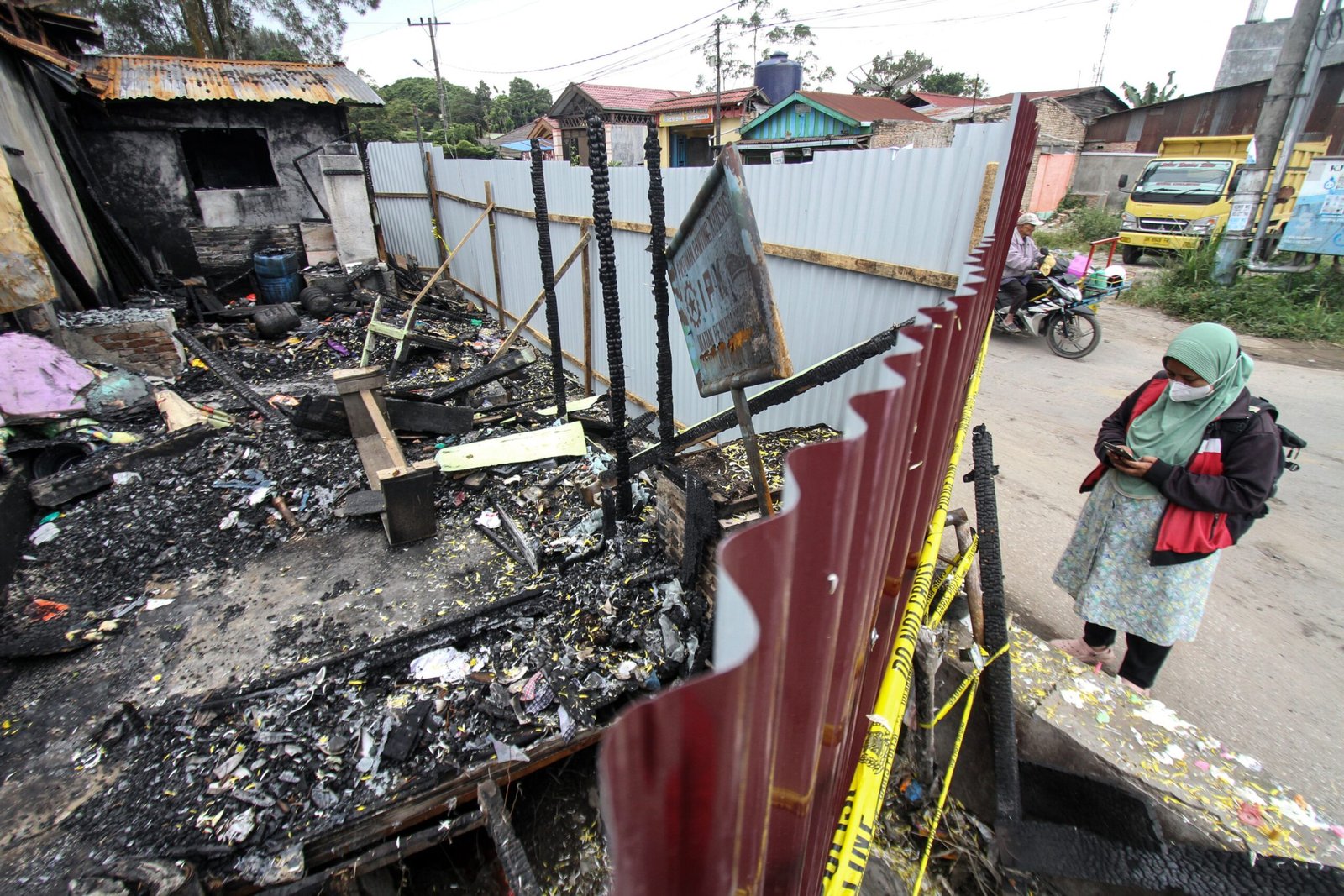
New York/Amsterdam, 22 Juni 2026—Menjelang dua tahun serangan pembakaran yang menewaskan jurnalis Indonesia Rico Sempurna Pasaribu dan keluarganya, sebuah investigasi baru oleh Committee to Protect Journalists (CPJ) dan Free Press Unlimited (FPU) mengungkap sejumlah kejanggalan serius dalam penanganan kasus tersebut. Temuan ini menyoroti rekam jejak Indonesia sangat lemah dalam mengakhiri impunitas atas kejahatan terhadap jurnalis.

Laporan gabungan berjudul “Impunity in Indonesia: The leads left unfollowed in journalist Rico Sempurna Pasaribu’s murder” mengungkap berbagai kegagalan dalam proses penyelidikan. Hal ini memunculkan pertanyaan apakah keadilan benar-benar telah ditegakkan, meskipun tiga orang telah divonis bersalah atas kasus pembakaran tersebut pada Maret 2025.

Rico Sempurna Pasaribu,  jurnalis situs Tribrata TV, dibunuh bersama istri, anak, dan cucunya di rumah mereka di Kabanjahe, Kabupaten Karo, Sumatera Utara pada 27 Juni 2024. Sebelum rumahnya dibakar, jurnalis berusia 47 tahun itu menerima sejumlah ancaman dan desakan agar menghapus berita yang ditulisnya terkait judi ilegal yang diduga dioperasikan oleh anggota TNI Kopral Satu Herman Bukit. Saat itu, Bukit adalah anggota Batalyon Infanteri 125/Simbisa di Kabupaten Karo.

CPJ dan FPU mendesak agar Kepolisian Indonesia membuka kembali investigasi kasus tersebut dan berfokus untuk menyelidiki keterlibatan anggota TNI Herman Bukit. 

“Pembunuhan brutal terhadap jurnalis Rico Sempurna Pasaribu dan keluarganya adalah kejahatan yang sangat keji,” kata Direktur Asia Pacific Committee to Protect Journalists (CPJ), Beh Lih Yi. “Peristiwa ini menambah kekhawatiran yang telah lama ada terkait keselamatan jurnalis, serta menunjukkan bahwa sistem peradilan militer di Indonesia gagal menghadirkan akuntabilitas. Otoritas Indonesia harus membuka kembali penyelidikan atas pembunuhan Pasaribu dan mengadili setiap personel militer yang terlibat di pengadilan sipil. Impunitas terhadap kejahatan terhadap jurnalis tidak memiliki tempat dalam negara demokrasi seperti Indonesia.”

“Dua tahun lalu, Rico Sempurna Pasaribu dan keluarganya dibakar hidup-hidup, namun hingga kini kita masih menunggu seluruh jawaban,” ujar Jules Swinkels, peneliti senior di Free Press Unlimited (FPU). “Sistem peradilan militer di Indonesia tidak menyelidiki secara independen kemungkinan keterlibatan personel militer. Kami mendesak otoritas Indonesia untuk memindahkan kasus ini ke pengadilan sipil, di mana transparansi publik dan akuntabilitas lebih dapat diwujudkan dibandingkan dalam mekanisme sistem peradilan militer yang tertutup.”

Merujuk pada dokumen pengadilan, berkas penyelidikan militer, kesaksian para saksi, serta wawancara dengan pihak-pihak yang memiliki kedekatan dengan kasus ini, laporan tersebut menemukan adanya bukti kuat bahwa Bukit seharusnya diselidiki secara menyeluruh dan dimintai pertanggungjawaban hukum atas dugaan perannya dalam pembunuhan jurnalis Pasaribu.

Laporan ini juga mengungkap bukti signifikan yang mengaitkan Bukit dengan praktik perjudian ilegal yang menjadi inti kasus; pertemuannya dengan pelaku utama pembakaran, Bebas Ginting; serta tekanan yang dihadapi jurnalis Pasaribu akibat pemberitaannya. Namun demikian, pihak kepolisian tidak pernah memeriksa anggota militer tersebut sebagai pihak yang patut diduga terlibat.

Laporan ini menunjukkan bahwa penyelidikan militer yang membebaskan Bukit dari dugaan keterlibatannya dalam pembunuhan, dilakukan dengan ruang lingkup yang sangat terbatas, sarat dengan inkonsistensi, serta minim transparansi. Penyelidik militer mengabaikan kesaksian saksi dan tidak bersikap terbuka dalam menilai bukti, termasuk rekaman percakapan telepon di mana Ginting menyampaikan kepada putri Pasaribu bahwa ia “mendapat perintah” dari Bukit.

Laporan ini juga mengungkap bahwa otoritas Indonesia mengabaikan indikasi kuat bahwa Pasaribu menjadi target akibat liputannya mengenai praktik perjudian ilegal. Dalam beberapa hari sebelum pembunuhan, Pasaribu menerima ancaman serta permintaan dari Bukit dan Ginting agar ia menurunkan pemberitaannya. Ancaman itu kemudian ia laporkan kepada teman, rekan kerja, serta seorang pejabat tinggi kepolisian. 

Namun, pihak-pihak yang bertanggung jawab dalam penegakan hukum kasus ini tidak pernah secara serius menyelidiki hal tersebut. Penyelidik juga gagal mempertimbangkan seluruh bukti yang tersedia, termasuk tidak melakukan pemeriksaan forensik komunikasi telepon seluler serta analisis aliran keuangan antara seluruh pihak yang diduga terkait dalam kasus ini.

Kepolisian Daerah Sumatera Utara dan Komando Daerah Militer I/Bukit Barisan tidak memberikan tanggapan terkait temuan dalam laporan tersebut.

Sejak tahun 1992, sebanyak 14 jurnalis dibunuh di Indonesia. Delapan dari sembilan kasus pembunuhan yang akibat serangan ke pekerjaan mereka sebagai jurnalis tersebut, hingga kini belum terselesaikan. Impunitas telah menjadi fenomena yang mengakar secara global, dengan empat dari lima pelaku pembunuhan jurnalis lolos dari jerat hukum. Umumnya pihak yang dihukum adalah pelaku lapangan, sementara pihak yang diduga sebagai aktor intelektual jarang tersentuh.

Tentang Committee to Protect Journalists (CPJ):


Committee to Protect Journalists adalah organisasi nirlaba independen yang mempromosikan kebebasan pers di seluruh dunia serta membela hak jurnalis untuk melaporkan berita secara aman dan tanpa rasa takut akan pembalasan.

Kontak media: [email protected] atau [email protected]

Tentang Free Press Unlimited (FPU):


Free Press Unlimited adalah organisasi nirlaba yang berfokus pada kebebasan pers dan berbasis di Amsterdam, Belanda. Organisasi ini mendukung jurnalis lokal di wilayah konflik agar dapat menyediakan berita independen dan informasi yang dapat dipercaya kepada publik. Melalui dukungan terhadap para profesional media lokal, Free Press Unlimited berupaya mendorong terciptanya ekosistem media yang berkelanjutan, profesional, dan beragam.
Kontak media: [email protected]

Catatan untuk redaksi:

CPJ dan FPU menyediakan wawancara dalam bahasa Indonesia, Inggris, dan Belanda.

Read the full article here

Fact Checker

Verify the accuracy of this article using AI-powered analysis and real-time sources.

Get Your Fact Check Report

Enter your email to receive detailed fact-checking analysis

5 free reports remaining

Continue with Full Access

You've used your 5 free reports. Sign up for unlimited access!

Already have an account? Sign in here

Share. Facebook Twitter Pinterest LinkedIn Tumblr Email Telegram Copy Link
News Room
  • Website
  • Facebook
  • X (Twitter)
  • Instagram
  • LinkedIn

The FSNN News Room is the voice of our in-house journalists, editors, and researchers. We deliver timely, unbiased reporting at the crossroads of finance, cryptocurrency, and global politics, providing clear, fact-driven analysis free from agendas.

Related Articles

Global Free Speech

Bangladesh charges 6 journalists over corruption reporting

1 day ago
Global Free Speech

(An illustration by Semyon Skrepetsky) Semyon Skrepetsky/Telegram Russian artist Semyon Skrepetsky may have achieved exactly the wrong level of fame. He was prominent enough to be known to the Kremlin – and to annoy them – but not so renowned that his murder would trigger a major diplomatic outcry. That, at least, is what one Russian artist I spoke to this week believed about his killing on Monday. Skrepetsky, whose real name was Robert Kuzovkov, was known for his political caricatures. He drew satirical portraits of Vladimir Putin, Alexander Lukashenka, Chechen leader Ramzan Kadyrov and even Alexei Navalny. He fled Russia in 2021, fearing arrest and moved to the small Polish town of Biała Podlaska near the border with Belarus. Contrarian by nature, Skrepetsky was initially seen as being pro-Ukrainian and publicly burnt his Russian passport following Russia’s full-scale invasion of  the country in 2022. Later he grew publicly critical of the Ukrainian leadership, which led to him being listed in Ukraine’s Myrotvorets database, a tracker of individuals accused of activities deemed harmful to Ukrainian national security. But it was Putin who was the focus of most of his criticism. Three days before he was shot dead, Skrepetsky travelled to Berlin to stage a one-man protest outside the Russian embassy, featuring a caricature of Joseph Stalin and Putin. As part of the protest, he filmed himself putting Russia’s flag in a rubbish bin. It remains unclear who killed him, although a couple of Belarusian men were detained and then released in connection with his murder. Polish Prime Minister Donald Tusk said the killing has the hallmarks of a political assassination. This, Tusk added, would be “an extremely serious matter internationally. It would constitute state terrorism.” Except Tusk also said justice can be hard in such cases, perhaps already suggesting there is little appetite for a bolder response. Is Skrepetsky’s murder a sign of an increasingly nervous Moscow? Russia assassinating overseas critics is hardly new. Still, this is the same week that an unmarked Russian warship fired warning shots towards a small British yacht in the English Channel. It also comes at a time of deepening repression in Russia itself. Internet shutdowns are becoming more common. Apps are being routinely blocked. All likely triggered by the war in Ukraine not going as well as planned and worries about public opinion on the home front. A quiet transfer of power within the Russian state has apparently been taking place. The FSB, successor to the Soviet-era KGB, is increasingly in charge. Their primary focus are threats to Putin, be it from external adversaries or internal dissenters. Whether Skrepetsky’s death was part of this pattern remains unproven, but what is certain is the Kremlin appears more reactive than ever and more willing to take risks. When regimes are worried about maintaining order, they hit out at the people who make fun of them – and satirists are (literally) in the firing line. READ MORE

1 day ago
Global Free Speech

CPJ, FPU report exposes serious flaws in Indonesia’s investigation of journalist’s murder

1 day ago
Global Free Speech

Ethiopian journalist Salsawit Baynesagn detained without charge

4 days ago
Global Free Speech

A tiny proportion of sexual violence cases in Tigray have led to prosecution This article is written in two voices: First, Birhan Gebrekirstos Mezgbo, a researcher and advocate who lived through the Tigray war, then Veronica Blecker, director of the upcoming documentary on sexual violence in Tigray, Not Ours to Carry. Birhan: The moment everything shut down, it felt like the world had disappeared around us. No phone. No internet. No transportation. No banking. No way to know who was alive and who was not. My mother and sister were only around 120 kilometres away from me, but suddenly they felt unreachable, like they were in another universe. I couldn’t call them, I couldn’t travel to see them, and I had no way to know if they were safe. That silence was one of the hardest things I have ever lived through. Honestly, I don’t think the word “blackout” is enough to describe it. What made it worse was knowing that this darkness was not just about communication being cut. The darkness itself became dangerous. Everywhere you turned there was fear. Soldiers, killers, rapists, all operating inside this silence from which nobody could call for help or even tell the world what was happening. The blackout became part of the violence. At the time, I was meeting with survivors of conflict-related sexual and gender-based violence. I still remember walking for almost three hours to reach one survivor after being told where she was staying. When I arrived, she was gone. I walked that same route again and again, trying to find her. I never did. Veronica: The blackout was not simply the absence of communication. It was a weapon. The violence happened inside a closed circle, surrounded by guns and with no way in or out – not only from Tigray, but even within Tigray itself. Phone lines were cut, the internet was shut down, journalists were expelled, roads were blocked. The darkness was deliberate. It ensured that violence could happen unseen and unheard. Birhan: For survivors of conflict-related sexual violence, this darkness was devastating. Accessing medical care, reporting abuse, or seeking support became almost impossible. Ayder Hospital in Mekelle was one of the few facilities still functioning, sustained largely by the commitment of volunteer doctors and nurses. But reaching it could take weeks or even months. Along the way, survivors often faced even more violence. I still think about Abeba. She was raped three different times while trying to reach help in Mekelle. I often wonder whether her life would have been different if support had been available closer to where she lived. Instead, the journey to seek care exposed her to further harm. Eventually, she lost her life. For me, her story captures what the blackout did to so many survivors. The violence did not end with the assault. The darkness allowed it to continue. Veronica: Between 2020 and 2022, an estimated 600,000 people were killed in Tigray. The Commission of Inquiry on the Situation in the Tigray Region documented more than 280,000 cases of conflict-related sexual violence. A mere 25 military convictions have followed. Even if survivors could bring themselves to speak, to tell the world what was happening and what had happened to them, they are trapped inside a system of fear. In a system where armed men control every road and every community, speaking out can feel like a death sentence. I arrived after the blackout had already done its work. The violence had happened in the dark. There was physical evidence – detention sites, signs of torture, a landscape scarred by war. But there was little footage of the violence as it happened. The blackout had made sure of this. Every editorial decision – how to film testimony, how to protect identities, how to structure the narrative – was made in the knowledge that the official position was that there was nothing to document. These were the decisions that shaped Not Ours to Carry. The film captures what denial looks like in practice. One of the protagonists stands before the African Commission on Human Rights and reads survivor testimony into the official record. Later on, in the same session, the Ethiopian delegation responds on camera, rejecting in its totality what they call “baseless allegations”. The protagonist’s verdict: “Every time I go to these institutions, I feel like a clown in somebody’s circus. Going there and speaking is doing nothing but adding to their show.” Both governments were offered the right to reply. Ethiopia rejected the allegations in their totality. Eritrea did not respond. The denial is not historical. It is ongoing. What we documented is not only a record of violence. It is a record of censorship: the systematic suppression of evidence, testimony, and truth by governments that knew exactly what silence would allow. Survivors of conflict-related sexual violence carry two wounds. The first is what has been done to them. The second is being told that it didn’t happen – being told this by perpetrators, by institutions, by communities that impose shame rather than offer compassion and justice. The blackout prevented documentation. Then the world chose not to look. The silence did not end when the internet came back on. Birhan: I keep speaking because the difference between me and many of the women whose stories I carry is often nothing more than luck. I witnessed their pain and suffering, and I cannot simply move on with my life and ignore it. This is not only my voice; it carries the voices of hundreds of thousands of women and girls. From four-year-old children to grandmothers in their eighties. There can be no real accountability, and no meaningful future, if those voices continue to be ignored. That silence is not only theirs to break. It is ours too. Not Ours to Carry is premiering on 6 July at the Sevil International Women’s Documentary Film Festival, Azerbaijan’s only independent documentary film festival dedicated to women’s issues and gender equality If readers want to support survivors directly, donations go to One Stop Centres in Tigray here: https://www.notourstocarry.com/donate READ MORE

4 days ago
Global Free Speech

World Refugee Day 2026: Supporting journalists in exile amid transnational repression

5 days ago
Add A Comment
Leave A Reply Cancel Reply

Editors Picks

THORChain Resumes Trading More Than a Month After $10M Exploit

57 minutes ago

Bitcoin price has limited downside, likely near bottom, contrarian indicator suggests

2 hours ago

Ripple Secures Preliminary MiCA Approval Ahead of EU Deadline

2 hours ago

Brickbat: Sign Here

3 hours ago
Latest Posts

Perceptions of Weakness

3 hours ago

XRP drifts toward $1.10 support as traders await break from three-week range

3 hours ago

An ‘altcoin season’ signal flashed, but bitcoin’s slide is what set it off

4 hours ago

Subscribe to News

Get the latest news and updates directly to your inbox.

At FSNN – Free Speech News Network, we deliver unfiltered reporting and in-depth analysis on the stories that matter most. From breaking headlines to global perspectives, our mission is to keep you informed, empowered, and connected.

FSNN.net is owned and operated by GlobalBoost Media
, an independent media organization dedicated to advancing transparency, free expression, and factual journalism across the digital landscape.

Facebook X (Twitter) Discord Telegram
Latest News

AI miner Hut 8 to pay $2.35 million to settle investor claims tied to 2023 USBTC merger

54 minutes ago

THORChain Resumes Trading More Than a Month After $10M Exploit

57 minutes ago

Bitcoin price has limited downside, likely near bottom, contrarian indicator suggests

2 hours ago

Subscribe to Updates

Get the latest news and updates directly to your inbox.

© 2026 GlobalBoost Media. All Rights Reserved.
  • Privacy Policy
  • Terms of Service
  • Our Authors
  • Contact

Type above and press Enter to search. Press Esc to cancel.

🍪

Cookies

We and our selected partners wish to use cookies to collect information about you for functional purposes and statistical marketing. You may not give us your consent for certain purposes by selecting an option and you can withdraw your consent at any time via the cookie icon.

Cookie Preferences

Manage Cookies

Cookies are small text that can be used by websites to make the user experience more efficient. The law states that we may store cookies on your device if they are strictly necessary for the operation of this site. For all other types of cookies, we need your permission. This site uses various types of cookies. Some cookies are placed by third party services that appear on our pages.

Your permission applies to the following domains:

  • https://fsnn.net
Necessary
Necessary cookies help make a website usable by enabling basic functions like page navigation and access to secure areas of the website. The website cannot function properly without these cookies.
Statistic
Statistic cookies help website owners to understand how visitors interact with websites by collecting and reporting information anonymously.
Preferences
Preference cookies enable a website to remember information that changes the way the website behaves or looks, like your preferred language or the region that you are in.
Marketing
Marketing cookies are used to track visitors across websites. The intention is to display ads that are relevant and engaging for the individual user and thereby more valuable for publishers and third party advertisers.