

 Freedom Index
Listen to the article
On a warm June evening in San Francisco, attorneys and other legally-minded friends of EFF gathered for our 17th Annual Cyberlaw Trivia Night, an annual test of tech-related legal knowledge, and the ability to remember some deeply obscure facts under pressure.
Returning Quizmaster Kurt Opsahl once again guided competitors through six rounds of trivia covering everything from intellectual property and free speech to privacy, security, and artificial intelligence. Teams wrestled with questions about geofence warrants, AI copyright disputes, the SOPA/PIPA internet blackout, Section 230, and even a Senate hearing featuring a contestant who was herself present at cyberlaw trivia.
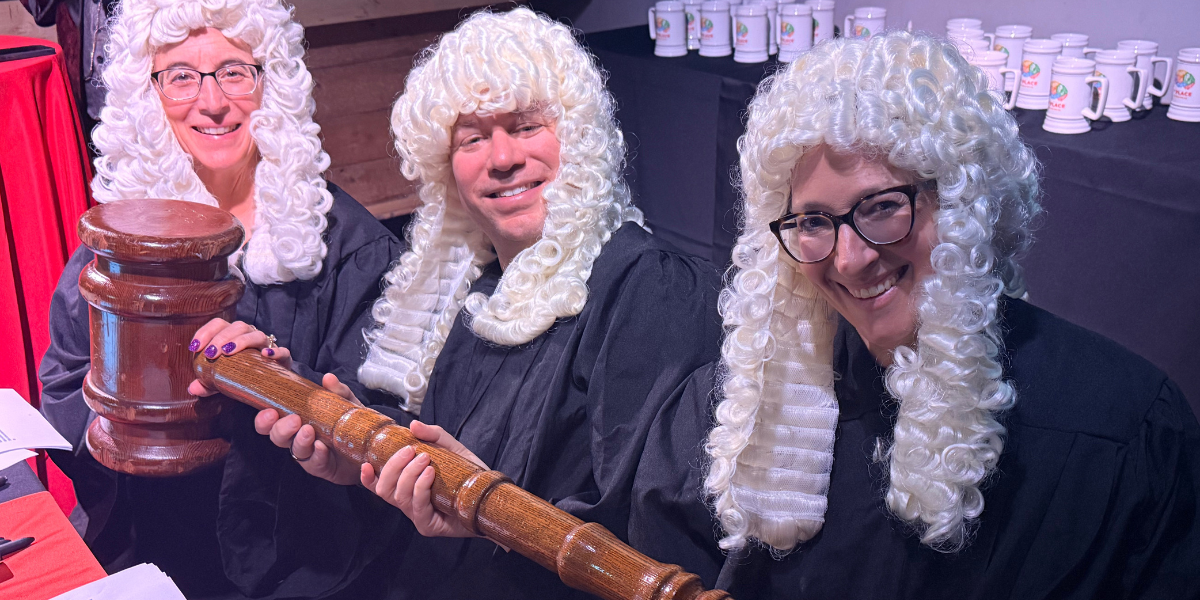
The judges’ table made it obvious that 2026 was a notable year. Weighing in on the toughest close calls were three folks with a deep history at our org: outgoing EFF Executive Director Cindy Cohn and new Executive Director Nicole Ozer both sat at as judges, joined by new cyberlaw judge Mike Masnick, founder of Techdirt and a recipient of an EFF Award in 2020.
The food was hot, the drinks were cold, and the competition was fierce. Teams including Shady Docket, Byte Club, Flock U, This Is Why We Can’t Have Nice Precedent, Nicky’s Angels, and Betamaxxers battled through six rounds of challenging questions.
When a question about Afroman’s successful legal battle against Ohio sheriff’s deputies came up, members of Byte Club offered to do more than name his most popular album: they offered to perform a rendition of “Lemon Pound Cake” (also the album name—tricky!) for the judges. This won no sway with the 3-judge Cyberlaw Judiciary, and the offer was politely declined.
The teams racked their collective law-noggins about some of the details of recent legal battles over digital rights, and a round entitled “You Can Call Me AI.” After the IP round, which rewarded folks in the audience who could answer details about the server test, the trivia moved onto newsier questions, with questions about ICE apps, anti-ICE apps, recent defamation cases involving our sitting president, and the slogan of a mineral company that you might’ve heard on terrestrial radio anytime between the early aughts and this week.
You don’t have to wear a morning coat to win Supreme Court arguments, but knowing who did for 4 years might have helped you win the IP round.
By the end of regulation play, the cyberlaw trivia competition was closer than we could have imagined. For the first time in Cyberlaw Trivia history, three teams finished tied for first place, sending the contest to two tiebreaker questions.
The final question noted that Google had received more than 287,000 government information requests in the first half of 2025, and asked teams to estimate how many were received by OpenAI during the same period. Every team guessed over, but it was the victors, Shady Docket, who guessed the lowest: 260. (The real answer is 146.)
As Shady Docket team member Erin Simon explained after the win: “As much as we love EFF, what we love even more is crushing other trivia teams.”
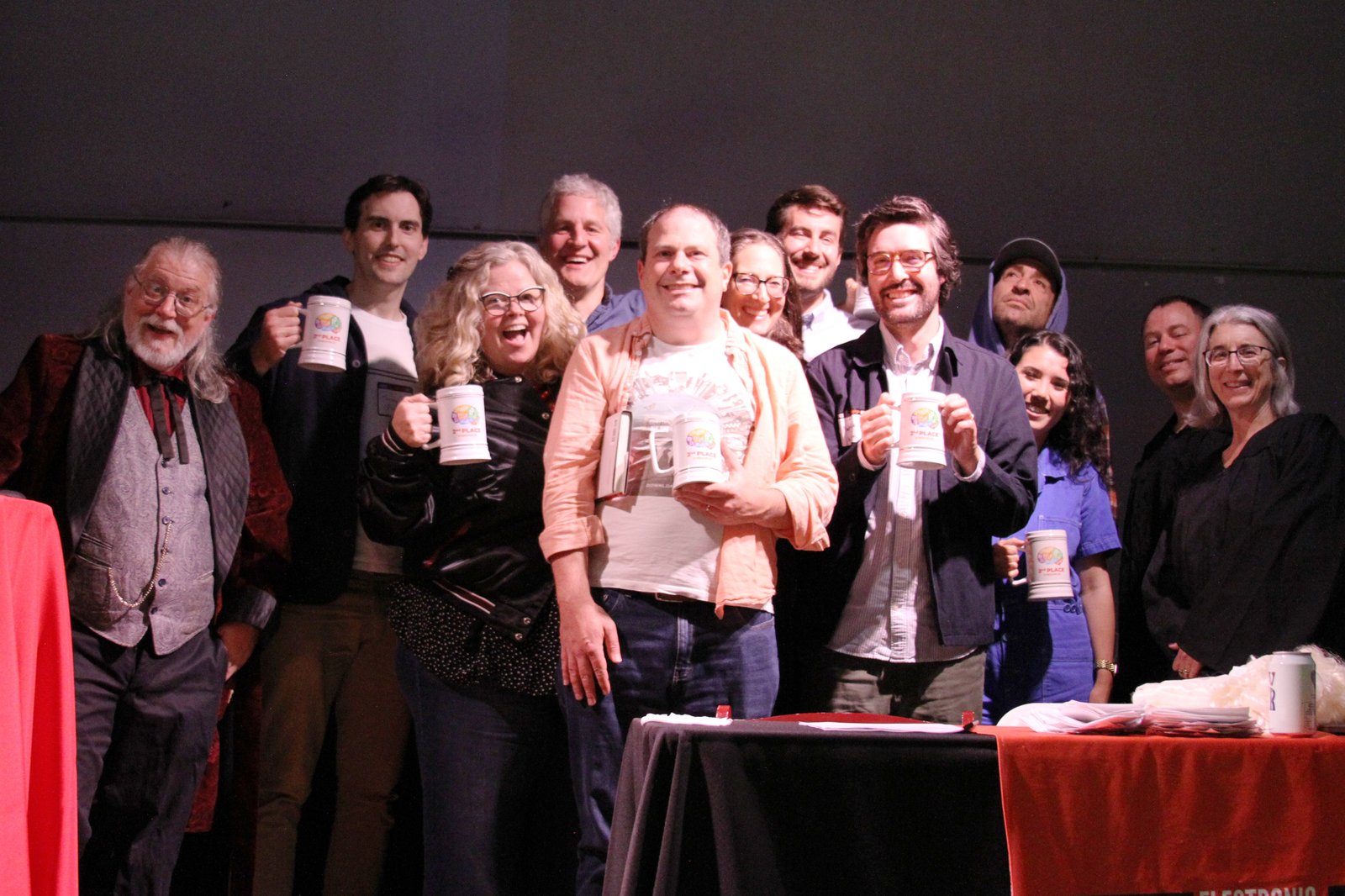
In second place were Nicky’s Angels. Rounding out the virtual podium in 3rd were the Betamaxxers, who jumped ahead early with a home-run run in the Free Speech round, getting every question correct.
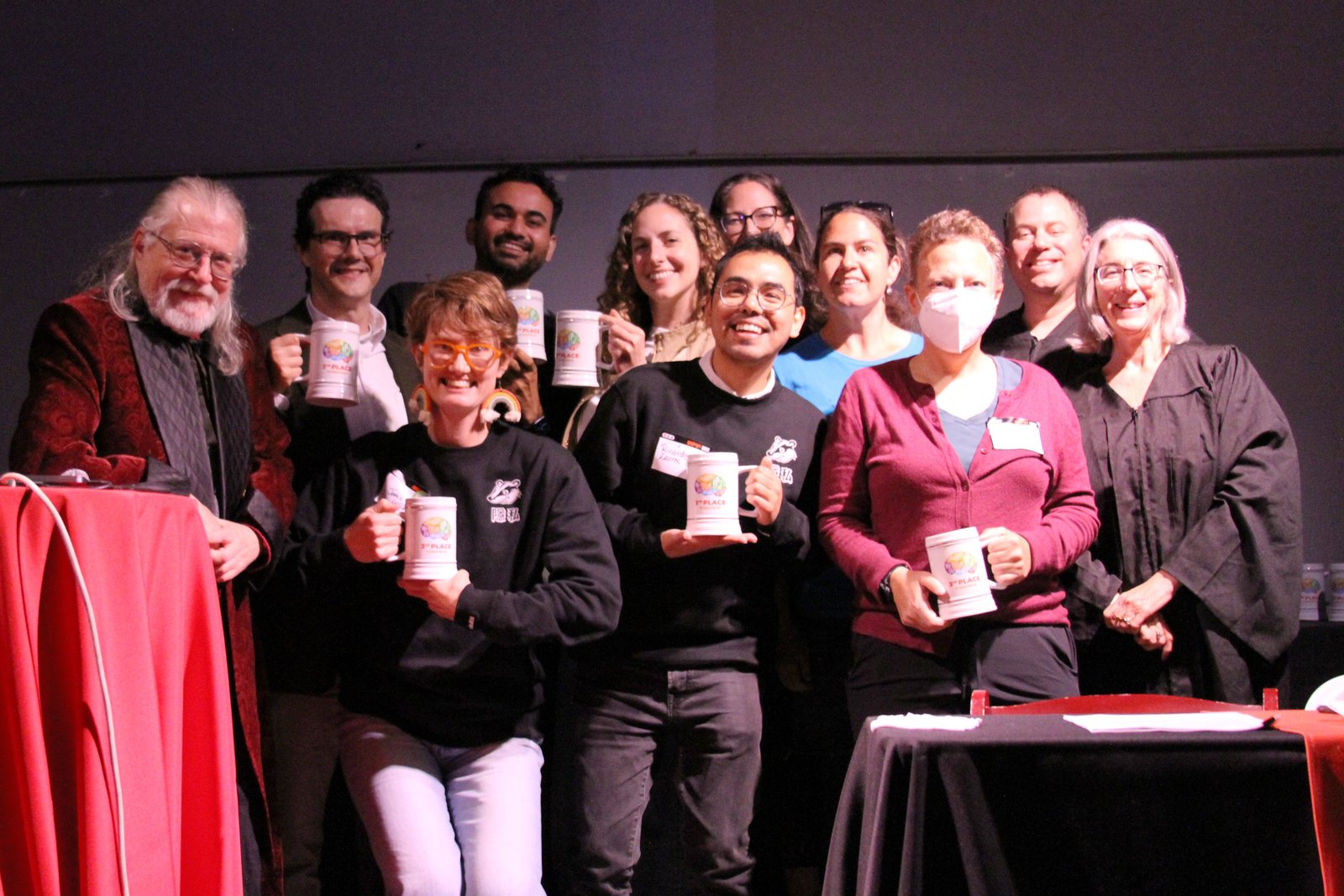
Each summer, EFF’s Cyberlaw Trivia Night brings together the legal community that helps defend privacy, free expression, innovation, and digital rights. We want to especially thank this year Morrison Foerster, Fenwick, Wilson Sonsini, and Public Resource for supporting EFF’s legal intern program.

Are you an attorney interested in defending civil liberties in the digital world? Consider joining EFF’s Cooperating Attorneys list. This network helps EFF connect people to legal assistance when EFF is unable to provide direct assistance.
Fighting for first place at EFF’s Cyberlaw Trivia Night helps us fight for your rights online! Sponsor one of our annual events and join the movement for digital privacy, free speech, and innovation. Please visit eff.org/thanks or contact tierney@eff.org for more information.
Read the full article here
Fact Checker
Verify the accuracy of this article using AI-powered analysis and real-time sources.