

 Freedom Index
Listen to the article
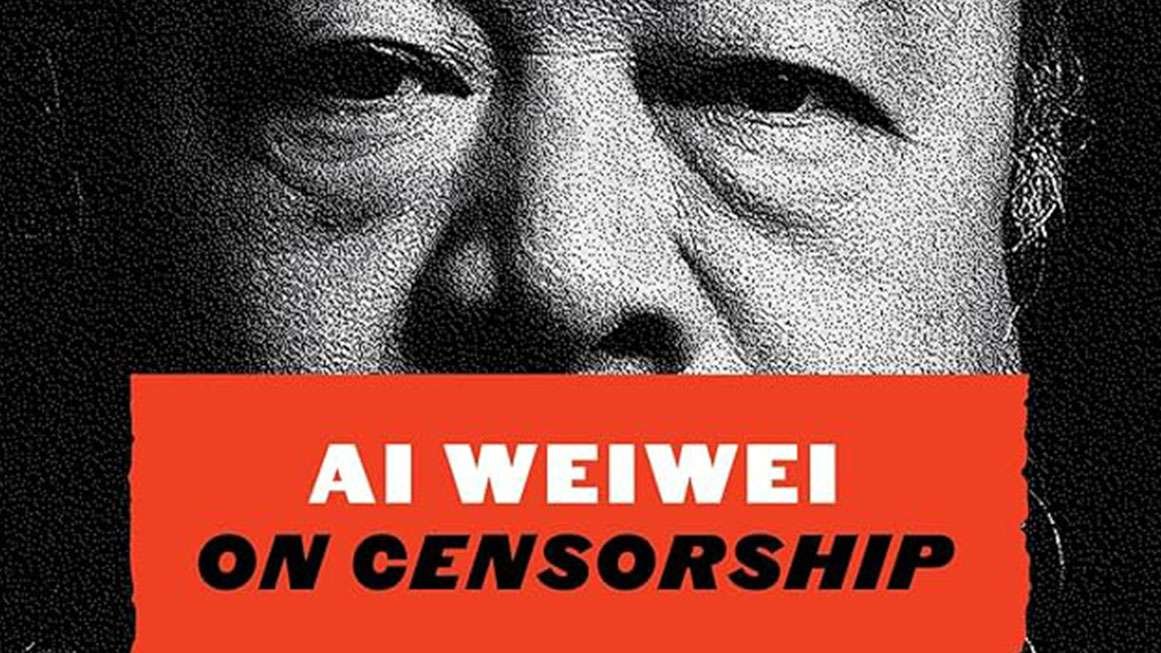
After becoming the target of police harassment, the Chinese artist and journalist Ai Weiwei left his homeland for good in 2015. In a new book, On Censorship, he writes about how censorship and surveillance go hand in hand. Like a dealer who can see all the cards, Ai argues, an all-seeing government has an “absolute advantage” over dissidents.
The nexus between surveillance and censorship has a psychological aspect as well. “A primary aim of censorship is to normalize itself, to present itself as natural and essential,” Ai warns. He cites an ancient Chinese saying that “the great affairs of the state are worship and military bases,” drawing a straight line from “worship” to modern-day taboos of political correctness.
Ai’s new book is not just about Chinese repression. It also warns about censorship around the world. In “ostensibly democratic societies,” he writes, censorship is “more covert, more deceptive, and more corrosive.”
The examples he cites defy the left-right political spectrum. Ai points to the crackdown on pro-Palestinian college students and the U.S. government’s attempts to create uncertainty around civilian casualties in Gaza. He also recalls the cancellation he faced after meeting with Alice Weidel, the head of an anti-Islam, anti-immigration party in Germany. The instinct to suppress speech is present almost everywhere.
Does that mean the censors are winning? The tone of On Censorship seems pessimistic at points. But Ai’s own life story shows that it’s possible to get the better of the censor. If he has been able to chart a liberated path for himself—even at a great personal cost—then Americans facing far less risk can too.
The post Review: A Victim of Chinese Authoritarianism Explains Censorship and Surveillance appeared first on Reason.com.
Read the full article here
Fact Checker
Verify the accuracy of this article using AI-powered analysis and real-time sources.