

 Freedom Index
Listen to the article
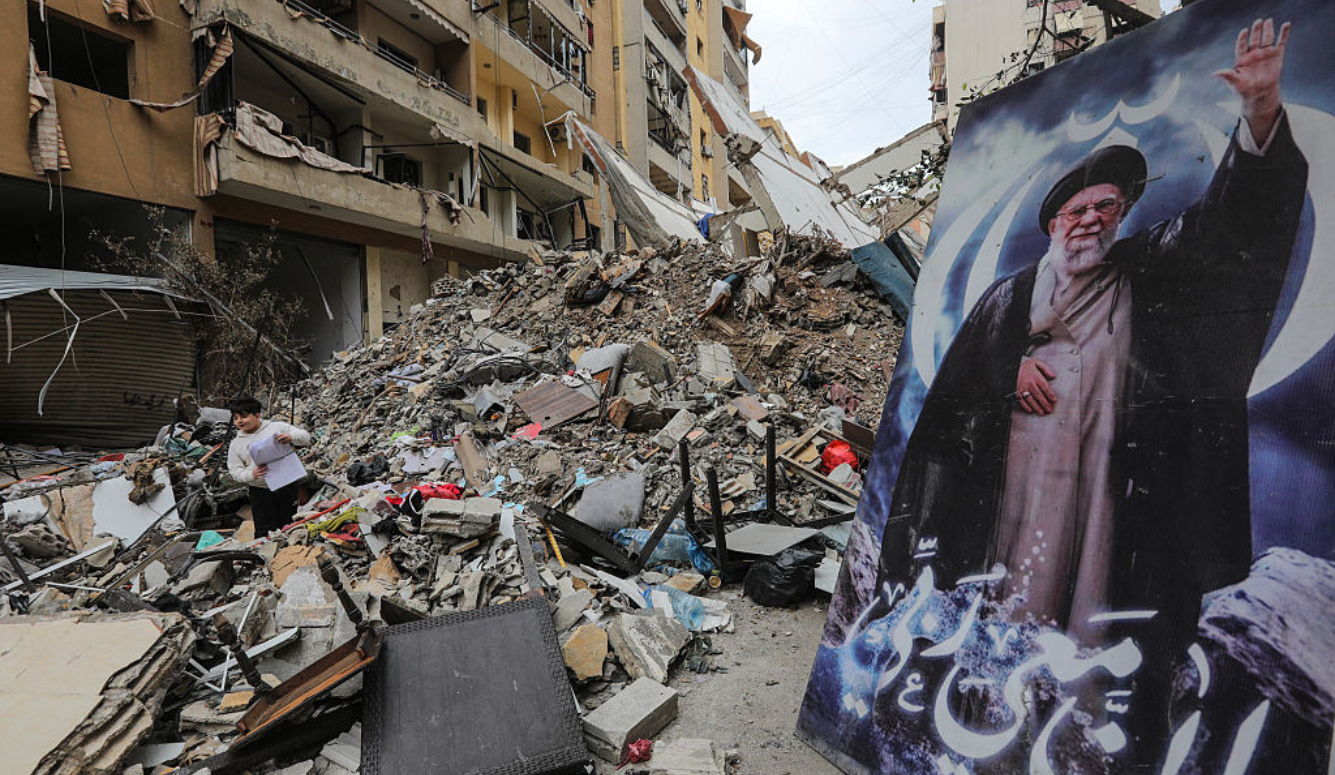
Every day that passes without a final conclusion to hostilities in the Persian Gulf multiplies possibilities and deepens a situation already fraught with uncertainty. Each new morning brings news of potential deals or threats to scupper them, new measures and new countermeasures. Nevertheless, matters are not so muddled that they obscure certain economic realities. The Strait of Hormuz remains closed, which is denying the world some twenty percent of its seaborne oil and gas supplies from Iran, Iraq, Kuwait, Saudi Arabia, and the other oil-rich states in the region. Energy prices remain high. Furthermore, a renewal of fighting could well bring destruction to oil- and gas-producing facilities in all these countries, imposing additional supply shocks and erasing any hope of near-term relief. If that happens, the global economy will become more constrained and oil prices will continue to rise.
Those looking for guidance about what to expect will be tempted to look back on the 1973 oil crisis that produced explosive inflation, recessions, and economic stagnation. However, while some parallels do exist, in most ways, today’s circumstances differ dramatically from those of the 1970s. When the Organisation of Petroleum Exporting Arab Countries embargoed oil sales to the United States and the Netherlands after the 1973 Yom Kippur war, the resulting energy shock created a widespread fear that fossil fuels would become increasingly scarce. The concept of “peak oil” became popular, along with dire predictions of an energy-starved future. These expectations exaggerated the immediate inflationary effect of oil-price hikes, creating an inflationary psychology that made it difficult to secure inflation relief and economic reinvigoration even when immediate pressures eased.
The present situation is very different. Remarkable efficiencies in energy use, new drilling technologies, and the development of alternative energy sources have, if anything, created a sense of oil and gas abundance. The concept of “peak oil” is no longer a credible short-term concern. Worldwide, there is an expectation that if and when the Strait of Hormuz becomes more secure, supplies will resume their regular flow. When the war eventually arrives at its definitive conclusion, major efforts will be made to repair damaged production facilities, and even though such repairs would take time, energy producers and users can expect more abundant future supplies once they are completed.
Nor does it appear that the monetary authorities will make the same mistakes they made in the 1970s. Back then, the US Federal Reserve and most other major central banks pursued lax monetary policies in an effort to mitigate the economic setbacks brought about by oil shortages and price hikes. They pumped money into their respective economies, which generalised and extended the inflationary effect of the energy-price increases. In the absence of these misguided policies, the oil-price hikes would certainly have had some inflationary effects, but they would have been more limited. Today, central banks seem to have learned the lessons of these past errors. Recent decisions to postpone interest-rate cuts and talk of interest-rate hikes testify to very different central-bank perspectives than in the 1970s.
The Roots of Recession
As an energy shock looms, a new book reframes recession as the product of historical circumstance, not cyclical inevitability.
Indeed, if the Iranian threat to regional peace and trade has been eliminated or significantly constrained by the time the flow of oil restarts—even if there has been widespread destruction and even if that flow is initially limited—the price of oil and gas may drop below pre-conflict levels. Until the war began, whatever the supply/demand situation, oil and gas from the Gulf carried a premium to reflect the threat posed by Iran. If the regime falls or—more likely—is reduced to a less capable and less belligerent rump, prices should be able to shed at least some of their former threat premium.
For now, there is no telling how or on what terms the war will conclude. Donald Trump remains capricious and inscrutable, but his record suggests that he would prefer an outcome that stops short of regime change. He seems to have rejected Israel’s apparent objective of destroying the Islamic theocracy in Tehran and the great uncertainties that such an endgame would unleash. His desire for control, not to mention the precedent set in Venezuela, suggests that he would prefer to deal with a chastened and more cooperative version of Iran’s existing regime. Such an arrangement would allow Washington to secure and control oil flows, and win concessions on armaments and the nuclear-weapons program. This is the approach the Trump administration seems to have been pursuing in Pakistan at the time of writing.
States on the Arabian Peninsula also seem to prefer such an arrangement. Not only would a counter-revolution in Iran come with multiple unknowns, but it might also make their own significant Shia minorities restive. The Arab states want an ongoing American presence in the region to ensure that Iran abides by any ceasefire agreement, and to help improve the Arabs’ defence coordination. Trump might exploit these needs to elevate the Board of Peace he established to secure a peace agreement in Gaza, which might be repurposed to help ensure regional stability. With the Board and Washington’s presence, Israel could possibly bring its impressive military capabilities to bear, benefitting the Gulf states without the kind of direct Israeli ties that might otherwise bring them domestic problems.
The Board (or some substitute) might also lure other nations. Although there is some talk of greater European involvement to clear the Strait of Hormuz, Europe remains wary of involvement in Iran. Whatever the European powers decide about the Strait, they might see the Board of Peace—or something like it—as a path back to greater influence. It might even lure Russia and China, ostensible allies of the Islamic Republic who have nevertheless exhibited a remarkable impotence in this war so far. Yes, the Russians seem to have provided the Iranian regime with intelligence and some equipment, as has China, but for the most part, both nations have done little more for their ally than deplore the fighting, plead for de-escalation, and squelch votes at the United Nations. Whatever comes of this—short of a humiliating defeat for the United States and its partners on the Arabian Peninsula—both Russia and China will want to find means to re-exert influence. The Board or some equivalent arrangement might tempt them, though it remains far from apparent that Washington would welcome the presence of either power.
A great many questions remain and they continue to multiply in the absence of a proper conclusion to the war. The Iranian regime has turned out to be more resilient than the US or Israel expected. Unforeseen developments could bring about a renewal of fighting that makes reopening the Strait of Hormuz even more difficult than it is now. A popular uprising in Iran could yet precipitate internal upheaval that requires a complete recalibration of US strategy. But for the moment, the trends outlined here offer the clearest glimpse of how the key participants want things to work out.
Quillette invites thoughtful responses to its essays.
Selected responses are published once per week as part of a curated Letters to the Editor feature. If selected, letters appear under the contributor’s real name and may be edited for clarity and length.
To submit a letter for consideration, please email [email protected].
Read the full article here
Fact Checker
Verify the accuracy of this article using AI-powered analysis and real-time sources.