Close Menu
FSNN | Free Speech News NetworkFSNN | Free Speech News Network
  • Home
  • News
    • Politics
    • Legal & Courts
    • Tech & Big Tech
    • Campus & Education
    • Media & Culture
    • Global Free Speech
  • Opinions
    • Debates
  • Video/Live
  • Community
  • Freedom Index
  • About
    • Mission
    • Contact
    • Support
Trending

VICTORY: School district reverses suspension of student punished over pro-ICE poster

5 minutes ago

Brendan Carr Ignores The Law, Rubber Stamps More Right Wing Media Consolidation, Then Lies About It

9 minutes ago

No Pseudonymity for Lawyer Alleging Quid Pro Quo Sexual Harassment and Retaliation

13 minutes ago
Facebook X (Twitter) Instagram
Facebook X (Twitter) Discord Telegram
FSNN | Free Speech News NetworkFSNN | Free Speech News Network
Market Data Newsletter
Wednesday, April 1
  • Home
  • News
    • Politics
    • Legal & Courts
    • Tech & Big Tech
    • Campus & Education
    • Media & Culture
    • Global Free Speech
  • Opinions
    • Debates
  • Video/Live
  • Community
  • Freedom Index
  • About
    • Mission
    • Contact
    • Support
FSNN | Free Speech News NetworkFSNN | Free Speech News Network
Home»News»Global Free Speech»CPJ, partners write to Nigerian president to demand accountability for attacks on the press
Global Free Speech

CPJ, partners write to Nigerian president to demand accountability for attacks on the press

News RoomBy News Room3 hours agoNo Comments4 Mins Read773 Views
Share Facebook Twitter Pinterest Copy Link LinkedIn Tumblr Email VKontakte Telegram
CPJ, partners write to Nigerian president to demand accountability for attacks on the press
Share
Facebook Twitter Pinterest Email Copy Link

Listen to the article

0:00
0:00

Key Takeaways

Playback Speed

Select a Voice

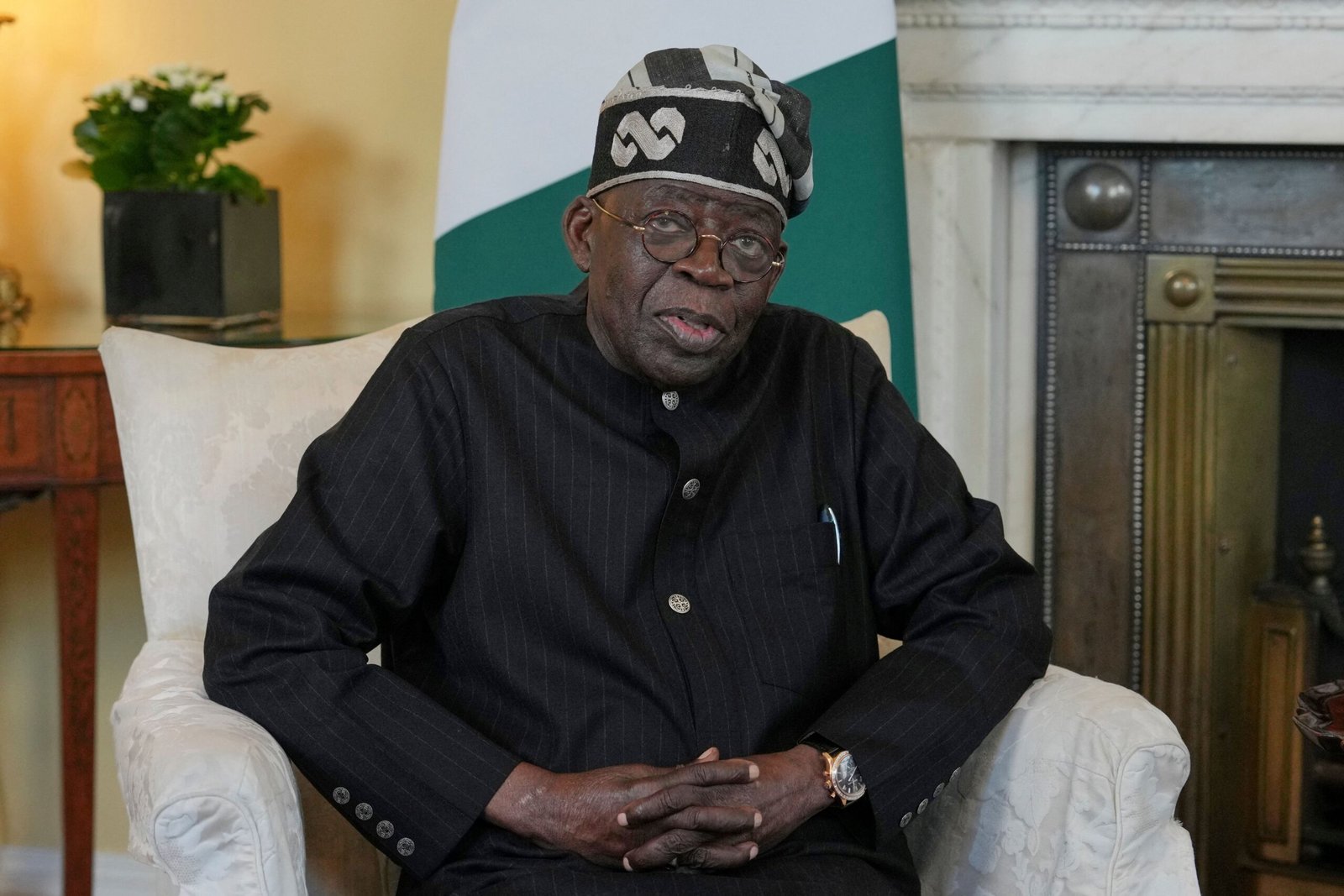
Bola Ahmed Tinubu
President of the Federal Republic of Nigeria

Sent via email

Dear President Tinubu,

We, the undersigned Nigerian and international press freedom organizations, write to express alarm over Vice President Kashim Shettima Mustapha’s recent remarks suggesting that no journalists have been harassed in Nigeria since you took office. This mischaracterization conveys a grave indifference to the numerous and well-documented attacks on the press while you have been president, including violent abuses and arrests by Nigerian security forces.

We call for you to hold accountable those responsible for abuses against the media that have taken place during and before your tenure, and to take further action to reform Nigerian laws to ensure journalism is not criminalized. General elections are scheduled for early 2027 and your action to protect the press and Nigerian democracy is essential.

On February 27, a State House press release quoted Vice President Shettima saying to members of the Nigerian Press Council, “For the past three years, have you heard of any harassment of journalists?” He added that your “tolerance threshold is so high.” The press release also said your administration had promoted “an environment that is conducive for journalists to carry out their duties without harassment.”

Since you assumed office as Nigeria’s president in 2023, the Committee to Protect Journalists (CPJ) has documented Nigerian authorities detaining journalists without warning and mistreating them in custody. Numerous journalists have been arrested and prosecuted over their reporting, including on defamation and cybercrime charges. In August 2024, CPJ documented at least 56 journalists assaulted or harassed by Nigerian security forces or citizens while covering the #EndBadGovernance demonstrations. Masked security forces even fired bullets and tear gas in the direction of 18 working journalists.

Additionally, in 2024, the International Press Centre (IPC) documented 65 cases of attacks on journalists. These attacks varied from physical assault, harassment, threats to life, intimidation, murder, and unlawful and prolonged detentions. 

Media Rights Agenda’s 2025 annual report similarly tracked 86 incidents of attacks on press freedom across Nigeria and the International Press Institute Nigeria has identified a pattern of impunity for such incidents in the country.

The Centre for Journalism Innovation and Development (CJID), which tracks media freedom violations, has verified at least 231 attacks on the press since you took office, and in 2024 wrote to your office urging decisive action to stop such incidents. 

Since 1992, CPJ has documented the killing of at least 23 journalists in Nigeria, as well as two others who are missing and presumed dead. At least 13 of these journalists are confirmed to have been killed in connection with their work. One of those journalists is Onifade Emmanuel Pelumi, who was found dead in a mortuary days after he was seen in police custody after being shot while reporting in Ikeja, the Lagos State Capital, in 2020. Over five years later, despite repeated pleadings, Pelumi’s body has yet to be returned to his family.

We have not seen meaningful efforts to end impunity when journalists are targeted, and your government even sought to appeal a court judgment ordering government actions to improve press freedom and the investigation of attacks against the press. Media Rights Agenda filed the case.

Nigeria has elections scheduled for early 2027, and we have documented how such moments of political tension often correspond with spikes in attacks on journalists. This is a pattern that should be addressed with informed government actions, but the Vice President’s recent statements demonstrate a clear failure to recognize and respond to the dangers Nigerian journalists face, including from law enforcement tasked with protecting the public. The remarks are also reminiscent of Nigerian officials’ previous false claims and mischaracterizations about press freedom conditions.

Vice President Shettima referred to your administration as “a friend of the media.” It is time to match those words with action by holding those responsible for attacks to account, returning Pelumi’s body to his family, and ensuring the periods before, during, and after the coming elections are safe for those who report the news.

Sincerely,

Angela Quintal

Committee to Protect Journalists (CPJ)

Africa Director

Busola Ajibola

Centre for Journalism Innovation and Development (CJID)

Deputy Director

Churchill Otieno

The Africa Editors Forum (TAEF)

President

Edetaen Ojo

Media Rights Agenda (MRA)

Executive Director

Lanre Arogundade

International Press Centre (IPC)

Executive Director

Musikilu Mojeed

International Press Institute (IPI) Nigeria

President

Read the full letter here.

Read the full article here

Fact Checker

Verify the accuracy of this article using AI-powered analysis and real-time sources.

Get Your Fact Check Report

Enter your email to receive detailed fact-checking analysis

5 free reports remaining

Continue with Full Access

You've used your 5 free reports. Sign up for unlimited access!

Already have an account? Sign in here

Share. Facebook Twitter Pinterest LinkedIn Tumblr Email Telegram Copy Link
News Room
  • Website
  • Facebook
  • X (Twitter)
  • Instagram
  • LinkedIn

The FSNN News Room is the voice of our in-house journalists, editors, and researchers. We deliver timely, unbiased reporting at the crossroads of finance, cryptocurrency, and global politics, providing clear, fact-driven analysis free from agendas.

Related Articles

Global Free Speech

Contents – The monster unleashed: How Hungary’s illiberal vision is seducing the western world

29 minutes ago
Global Free Speech

CPJ endorses updated reporter privacy protection bill against unreasonable government searches and seizures

1 hour ago
Global Free Speech

Malaysian journalist Kalidas Subramaniam detained after reporting on alleged illegal migrant workers

7 hours ago
Global Free Speech

The media freedom delegation with Veran Matic, the chairperson of the management board of the Association of Independent Electronic Media (ANEM), who is facing open death threats Following a two-day mission to Belgrade on 26-27 March, the partner organisations of the Council of Europe’s Platform for the Safety of Journalists and the Media Freedom Rapid Response (MFRR) assessed that the past year had seen a continued deterioration, leaving the country in a prolonged and worsening press freedom crisis. In absence of the recognition by state officials about the severity of the current situation for the safety of journalists, the delegation warns that chances of further escalation in the severity of attacks against journalists remain dangerously high. Multiple reports of journalists being attacked while reporting on the local elections held in 10 municipalities on Sunday 29 March after the mission concluded, reinforce the delegation’s findings. The use of violence to restrict reporting and the absence of protections fosters a toxic environment that severely hinders the ability of journalists to work. The mission came at a time of unprecedented physical attacks on journalists and rampant online smear campaigns, led or amplified by influential members of the ruling party. Following the solidarity mission conducted by the MFRR in April 2025, the situation has worsened, despite repeated calls for action. Since the deadly collapse of Novi Sad train station canopy in November 2024 and the nationwide protests that followed, 294 press freedom violations targeting 513 media professionals and entities have been documented on the Mapping Media Freedom platform. During this time, Serbia has also been among the countries in Europe with the highest number of press freedom alerts on the CoE Platform. Following meetings with journalists, editors, trade unions and associations, the Supreme Public Prosecution office, the police, government and parliamentary officials, media outlets, the public service broadcaster, the international community and civil society bodies, the delegation is fearful that journalists are caught in a spiral of violence with few protections in place. The media freedom environment in Serbia is defined by physical attacks – often perpetrated by those charged with protecting journalists – verbal threats, including death threats, incitement to violence and divisive rhetoric, as well as extensive media capture. Violations also extend online; alongside online smear campaigns, coordinated bot attacks on social media accounts of independent media outlets and journalists, and Distributed Denial of Service (DDoS) attacks on news websites have emerged as new weapons of censorship. Unaccountable use of spyware against journalists and media workers, and the lack of swift and independent investigation into the cases remain an alarming concern that deserves serious attention from the authorities. So far, no accountability has been secured. The widespread violations have been documented in the alerts published on the Council of Europe Platform and Mapping Media Freedom platform, and confirmed by first hand testimony from journalists from print, broadcast and online media. During a meeting with Ana Brnabić, the President of the National Assembly of Serbia, the delegation discussed the climate for media freedom in Serbia and called on the authorities to live up to the heightened responsibilities of those in power to avoid discrediting, demonising and targeting journalists and condemn all attacks. While she told the delegation she was aware of specific high-profile threats to journalists and the heinous legacy of impunity exemplified by the killing of Slavko Ćuruvija, this did not appear to extend to the full spectrum of threats made to journalists, including by the ruling party and amplified by pro-government media tabloids, social media and supporters of the party. Ms Brnabić committed to improve the government’s response rate to alerts published on the Council of Europe Platform. Since the platform’s launch in 2015, 61% of alerts from Serbia have not been responded to. The non-response rate in 2025, coinciding with the documented increase in alerts, was 85%. The delegation welcomed this commitment, but reiterated our request that Ms. Brnabic halt political attacks and condemn them, if they come from others, as a vital first step in rebuilding trust in the state’s willingness to improve media freedom in the country. The increased violence against the press sparked by the nationwide protests in response to the November 2024 Novi Sad canopy tragedy, and the heavy state response that followed, has worsened through 2025 and continues into 2026. The Supreme Public Prosecution Office confirmed that there had been a 115% increase in the number of cases referred to it regarding media workers and a 367% increase in those related to physical attacks. This spike in criminal threats has been met with shocking levels of impunity. In 2025, only three convictions of those responsible for criminal attacks on journalists were secured by judicial authorities. A key factor, the delegation concluded, has been the continued breakdown of both the rule or law and the dedicated systems for the protection of journalists in Serbia. Poor response by the police to prosecutors’ requests concerning attacks on journalists results in the systematic failure to gather sufficient evidence to allow public prosecutions. The role of police is central to the question of journalist safety. However, when meeting the Ministry of Interior, the Belgrade City Police Directorate and the Criminal Police Directorate, the delegation was alarmed by the absence of any acknowledgement of the severity of the issue and the failings of the police force when protecting journalists or investigating violations aimed at journalists. The delegation was not informed about a single case of a police officer who has been held responsible for allegations of misconduct or their failure to act. Even when presented with concrete and well-documented examples of police perpetrating attacks, the law enforcement representatives did not respond in a manner that would suggest a willingness to learn from these failings to fulfil their legal responsibility to protect journalists. At the systemic level, the delegation expressed continued concern over the non-functioning of the Regulatory Authority for Electronic Media (REM) Council. The absence of a functional and independent REM Council represents a severe hindrance for the effective regulation of the overall electronic media and the licensing process. The situation also impacts the governance of Radio Television of Serbia (RTS), the public service broadcaster, as well as its oversight mechanisms. With the tenure of four members of the RTS board expiring in June, as well as a general election expected soon, the absence of the REM Council or any timeline by which it will be appointed will continue to embed uncertainty within RTS and the broader media space. In the meeting, Ms Brnabic expressed frustration over the situation and the desire to find a solution, in cooperation with international bodies. The delegation stresses that for credibility of the process to be acceptable under both Serbian law and EU accession progress mechanisms, the election must result in the appointment of a professional, pluralistic and ultimately independent body which acts in the public interest rather than in defence of political interests. These principles are absolutely non-negotiable for the process. The threat landscape facing journalists is diverse and complex. Increasingly, civil and criminal legal actions are deployed against journalists to curtail their reporting, through the threat of costly and time intensive court proceedings. Data held by the National Anti-SLAPP Working Group has identified 48 SLAPPs targeting journalists, editors, publishers and the media since 2020. Investigative outlet KRIK is currently facing 14 legal actions. While prominent outlets may be able to respond through public solidarity actions and receive funding support secured through crowdfunders to mount a defence, for local outlets, who are already struggling economically, an abusive legal action may be enough to shut down their reporting. The Council of Europe Recommendation on countering the use of SLAPPs establishes a detailed roadmap to ensure member states, such as Serbia, can meaningfully tackle abusive lawsuits and protect journalism. Ms Brnabić referenced an eagerness to address this issue and these recommendations provide a strong starting point. Despite clear data from Serbia’s own judicial authorities about the high numbers of attacks on journalists, following its meetings, the mission identified a fundamental disconnect between the seriousness of the situation on the ground and the assessment and response of the authorities. Clear political will is needed to break the downward spiral and ensure all attacks on the media are properly sanctioned under the law. Until then, and until political pressures on independent journalism are reduced, media freedom will continue to suffer, undermining Serbia’s EU accession aspirations. The mission partners will publish a report outlining findings and providing recommendations to the Serbian authorities, which will also be shared with the Council of Europe, European Union and the Organisation for the Security and Cooperation (OSCE). The mission was led by Article 19 Europe and joined by the Association of European Journalists (AEJ), Committee to Protect Journalists (CPJ), European Broadcasting Union (EBU), European Federation of Journalists (EFJ), European Centre for Press and Media Freedom (ECPMF), Index on Censorship, International Press Institute (IPI), Osservatorio Balcani Caucaso Transeuropa (OBCT) and Reporters Without Borders (RSF). Vlasti u Srbiji moraju da zaustave spiralu nasilja prema novinarima i novinarkama Sloboda medija u Srbiji ostaje zarobljena u silaznoj spirali usled rekordnog nivoa fizičkog nasilja prema novinarima i novinarkama, pretnji smrću i onlajn kampanja blaćenja, zabrinjavajućeg nivoa nekažnjivosti, kao i čvrste političke kontrole nad medijskim okruženjem, zaključila je koalicija organizacija za slobodu medija. Nakon dvodnevne misije u Beogradu, 26–27. marta, partnerske organizacije Platforme Saveta Evrope za zaštitu novinarstva i bezbednost novinara i inicijative Media Freedom Rapid Response (MFRR) ocenile su da je u protekloj godini došlo do daljeg pogoršanja, ostavljajući zemlju u produženoj i sve dubljoj krizi slobode medija. U odsustvu priznanja državnih zvaničnika o ozbiljnosti trenutne situacije u pogledu bezbednosti novinara i novinarki, delegacija upozorava da su šanse za dalje eskaliranje ozbiljnosti napada na novinare i novinarke opasno visoke. Brojni izveštaji o napadima na novinare i novinarke tokom izveštavanja o lokalnim izborima održanim u 10 opština u nedelju, 29. marta, nakon završetka misije, dodatno potvrđuju nalaze delegacije. Upotreba nasilja radi ograničavanja izveštavanja, kao i izostanak zaštite, stvaraju toksično okruženje koje ozbiljno otežava rad novinara i novinarki. Misija je sprovedena u trenutku nezapamćenog broja fizičkih napada na novinare  i novinarke i rasprostranjenih onlajn kampanja blaćenja, koje predvode ili pojačavaju uticajni članovi vladajuće stranke. Nakon misije solidarnosti koju je MFRR sproveo u aprilu 2025. godine, situacija se dodatno pogoršala, uprkos ponovljenim pozivima na delovanje. Od smrtonosnog urušavanja nadstrešnice železničke stanice u Novom Sadu u novembru 2024. godine i talasa protesta širom zemlje koji je usledio, na platformi Mapping Media Freedom dokumentovano je 294 kršenja slobode medija usmerena na 513 medijskih profesionalaca i subjekata. U tom periodu, Srbija je takođe bila među zemljama u Evropi sa najvećim brojem upozorenja o kršenjima slobode medija na Platformi Saveta Evrope. Nakon sastanaka sa novinarima, urednicima, sindikatima i udruženjima, Vrhovnim javnim tužilaštvom, policijom, predstavnicima vlade i parlamenta, medijima, javnim servisom, međunarodnom zajednicom i organizacijama civilnog društva, delegacija izražava zabrinutost da su novinari i novinarke zarobljeni u spirali nasilja uz vrlo ograničene mehanizme zaštite. Medijsko okruženje u Srbiji karakterišu fizički napadi – često počinjeni od strane onih koji su zaduženi za zaštitu novinara i novinarki – verbalne pretnje, uključujući pretnje smrću, podsticanje na nasilje i zapaljivu retoriku koja produbljuje podele, kao i izražena zarobljenost medija. Kršenja se šire i na onlajn prostor; pored kampanja blaćenja na internetu, koordinisani bot napadi na naloge nezavisnih medija i novinara na društvenim mrežama, kao i Distributed Denial of Service (DDoS) napadi na informativne sajtove, pojavili su se kao nova sredstva cenzure. Nekontrolisana upotreba špijunskog softvera protiv novinara i novinarki i medijskih radnika, kao i izostanak brzih i nezavisnih istraga u tim slučajevima, ostaju ozbiljan razlog za zabrinutost koji zahteva hitnu pažnju nadležnih organa. Do sada niko nije odgovarao za ove slučajeve. Rasprostranjena kršenja dokumentovana su kroz upozorenja objavljena na Platformi Saveta Evrope i Mapping Media Freedom platformi, a potvrđena su i neposrednim svedočenjima novinara i novinarki iz štampanih, elektronskih i onlajn medija. Tokom sastanka sa Anom Brnabić, predsednicom Narodne skupštine Republike Srbije, delegacija je razgovarala o stanju slobode medija u Srbiji i pozvala vlasti da ispune pojačanu odgovornost koju imaju kao nosioci vlasti, da se uzdrže od diskreditovanja, demonizacije i targetiranja novinara i i novinarki, te da osude sve napade. Iako je delegaciji rekla da je upoznata sa konkretnim pretnjama novinarima i novinarkama i sa zlokobnim nasleđem nekažnjivosti, koje ilustruje ubistvo Slavka Ćuruvije, činilo se da se to ne odnosi na čitav spektar pretnji upućenih novinarima i novinarkama, uključujući i one koje dolaze od vladajuće stranke, a koje dodatno pojačavaju provladini tabloidni mediji, društvene mreže i pristalice te stranke. Gospođa Brnabić se obavezala da unapredi stopu odgovora vlasti na upozorenja objavljena na Platformi Saveta Evrope. Od pokretanja Platforme 2015. godine, na 61% upozorenja iz Srbije nije odgovoreno. Stopa neodgovaranja u 2025. godini, koja se poklapa sa zabeleženim porastom broja upozorenja, iznosila je 85%. Delegacija je pozdravila ovo obavezivanje, ali je ponovila zahtev da gospođa Brnabić obustavi političke napade i da ih osudi kada dolaze od drugih, kao ključni prvi korak ka obnovi poverenja u spremnost države da unapredi slobodu medija u zemlji. Povećano nasilje nad medijima, podstaknuto masovnim protestima širom zemlje kao reakcijom na tragediju urušavanja nadstrešnice u Novom Sadu u novembru 2024. godine, kao i snažnim odgovorom države koji je usledio, dodatno se pogoršalo tokom 2025. i nastavlja se i u 2026. godini. Vrhovno javno tužilaštvo potvrdilo je da je došlo do povećanja od 115% u broju predmeta koji su mu upućeni u vezi sa medijskim radnicima, kao i do porasta od 367% u slučajevima koji se odnose na fizičke napade. Ovaj nagli rast krivičnih dela praćen je zabrinjavajućim nivoom nekažnjivosti. Tokom 2025. godine, pravosudni organi doneli su svega tri osuđujuće presude počiniocima krivičnih dela nad novinarima i i novinarkama. Ključni faktor, zaključila je delegacija, jeste kontinuirano urušavanje vladavine prava, kao i sistema namenjenih zaštiti novinara i novinarki u Srbiji. Nedovoljno efikasan odgovor policije na zahteve tužilaštva u vezi sa napadima na novinare i novinarke dovodi do sistematskog neuspeha u prikupljanju dovoljno dokaza koji bi omogućili pokretanje krivičnih postupaka. Uloga policije je ključna za pitanje bezbednosti novinara i novinarki. Međutim, tokom sastanaka sa Ministarstvom unutrašnjih poslova, Policijskom upravom za grad Beograd i Upravom kriminalističke policije, delegacija je bila zabrinuta zbog izostanka bilo kakvog priznanja ozbiljnosti problema i propusta policije u zaštiti novinara i novinarki i istrazi kršenja usmerenih protiv njih. Delegacija nije obaveštena ni o jednom slučaju u kojem je policijski službenik snosio odgovornost za navode o neprofesionalnom postupanju ili propust da reaguje. Čak i kada su predstavljeni konkretni i dobro dokumentovani primeri u kojima su policijski službenici bili počinioci napada, predstavnici organa za sprovođenje zakona nisu reagovali na način koji bi ukazivao na spremnost da iz ovih propusta izvuku pouke i ispune svoju zakonsku obavezu zaštite novinara i novinarki. Na sistemskom nivou, delegacija je izrazila kontinuiranu zabrinutost zbog nefunkcionisanja Saveta Regulatornog tela za elektronske medije (REM). Odsustvo funkcionalnog i nezavisnog Saveta REM-a predstavlja ozbiljnu prepreku za efikasno regulisanje elektronskih medija u celini, kao i za proces izdavanja dozvola. Ovakva situacija utiče i na upravljanje Radio-televizijom Srbije (RTS), javnim medijskim servisom, kao i na mehanizme njenog nadzora. Imajući u vidu da mandat četvoro članova Upravnog odbora RTS-a ističe u junu, kao i da se uskoro očekuju opšti izbori, odsustvo Saveta REM-a ili bilo kakvog vremenskog okvira za njegovo imenovanje nastaviće da produbljuje neizvesnost u vezi sa RTS-om i širim medijskim prostorom. Tokom sastanka, gospođa Brnabić je izrazila frustraciju zbog nastale situacije i želju da se pronađe rešenje, u saradnji sa međunarodnim telima. Delegacija naglašava da, kako bi proces bio kredibilan i prihvatljiv u skladu sa zakonodavstvom Srbije i mehanizmima pristupanja EU, izbor mora rezultirati imenovanjem profesionalnog, pluralističkog i istinski nezavisnog tela koje deluje u javnom interesu, a ne u odbrani političkih interesa. Ovi principi su apsolutno neupitni za ovaj proces. Spektar pretnji sa kojima se novinari i novinarke suočavaju raznovrstan je i složen. Sve češće se protiv novinara i novinarki koriste građanski i krivični postupci kako bi se ograničilo njihovo izveštavanje, kroz pretnju skupim i dugotrajnim sudskim procesima. Podaci Nacionalne radne grupe za borbu protiv SLAPP tužbi identifikovali su 48 SLAPP postupaka usmerenih protiv novinara, urednika, izdavača i medija od 2020. godine. Istraživački medij KRIK trenutno se suočava sa 14 sudskih postupaka. Dok veći i vidljiviji mediji ponekad mogu da odgovore kroz javne akcije solidarnosti i prikupljanje sredstava putem donacija za svoju odbranu, za lokalne medije, koji se već suočavaju sa ekonomskim poteškoćama, zloupotrebljeni pravni postupak može biti dovoljan da ugasi njihovo izveštavanje. Preporuka Saveta Evrope o suzbijanju zloupotrebe SLAPP tužbi uspostavlja detaljan okvir koji omogućava državama članicama, poput Srbije, da se na smislen način suprotstave ovakvim tužbama i zaštite novinarstvo. Gospođa Brnabić je ukazala na spremnost da se ovo pitanje reši, a ove preporuke predstavljaju snažnu polaznu osnovu. Uprkos jasnim podacima koje pružaju same pravosudne institucije Srbije o visokom broju napada na novinare i novinarke, nakon sastanaka misije uočen je dubok nesklad između ozbiljnosti situacije na terenu i procene i odgovora nadležnih organa. Neophodna je jasna politička volja kako bi se prekinula silazna spirala i obezbedilo da svi napadi na medije budu adekvatno sankcionisani u skladu sa zakonom. Dok se to ne dogodi, i dok se politički pritisci na nezavisno novinarstvo ne smanje, sloboda medija će nastaviti da trpi, podrivajući aspiracije Srbije za članstvo u Evropskoj uniji. Partneri misije objaviće izveštaj sa nalazima i preporukama upućenim vlastima u Srbiji, koji će takođe biti dostavljen Savetu Evrope, Evropskoj uniji i Organizaciji za evropsku bezbednost i saradnju (OEBS). Misiju je predvodila organizacija Article 19 Evropa, a učestvovali su i Udruženje evropskih novinara (AEJ), Komitet za zaštitu novinara (CPJ), Evropska radiodifuzna unija (EBU), Evropska federacija novinara (EFJ), Evropski centar za slobodu medija (ECPMF), Index on Censorship, Međunarodni institut za štampu (IPI), Opservatorija za Balkan Kavkaz Transevropa (OBCT) i Reporteri bez granica (RSF). READ MORE

23 hours ago
Global Free Speech

CNN crew assaulted and briefly detained while covering Israeli outpost in West Bank 

2 days ago
Global Free Speech

Ugandan journalist missing, forced into van after radio show

2 days ago
Add A Comment
Leave A Reply Cancel Reply

Editors Picks

Brendan Carr Ignores The Law, Rubber Stamps More Right Wing Media Consolidation, Then Lies About It

9 minutes ago

No Pseudonymity for Lawyer Alleging Quid Pro Quo Sexual Harassment and Retaliation

13 minutes ago

Contents – The monster unleashed: How Hungary’s illiberal vision is seducing the western world

29 minutes ago

OpenAI raises a record $122 billion as revenue crosses $2 billion per month

39 minutes ago
Latest Posts

Gen Z Turns Bitcoin Into A Solid Portfolio Diversifier

41 minutes ago

Algorand, Stable Lead Double-Digit Altcoin Surge as Bitcoin Tops $69K

43 minutes ago

EEOC May Subpoena Penn’s Records as to “Jewish-Related Organizations” (and Others) in Investigation of Anti-Semitic Harassment at Penn

1 hour ago

Subscribe to News

Get the latest news and updates directly to your inbox.

At FSNN – Free Speech News Network, we deliver unfiltered reporting and in-depth analysis on the stories that matter most. From breaking headlines to global perspectives, our mission is to keep you informed, empowered, and connected.

FSNN.net is owned and operated by GlobalBoost Media
, an independent media organization dedicated to advancing transparency, free expression, and factual journalism across the digital landscape.

Facebook X (Twitter) Discord Telegram
Latest News

VICTORY: School district reverses suspension of student punished over pro-ICE poster

5 minutes ago

Brendan Carr Ignores The Law, Rubber Stamps More Right Wing Media Consolidation, Then Lies About It

9 minutes ago

No Pseudonymity for Lawyer Alleging Quid Pro Quo Sexual Harassment and Retaliation

13 minutes ago

Subscribe to Updates

Get the latest news and updates directly to your inbox.

© 2026 GlobalBoost Media. All Rights Reserved.
  • Privacy Policy
  • Terms of Service
  • Our Authors
  • Contact

Type above and press Enter to search. Press Esc to cancel.

🍪

Cookies

We and our selected partners wish to use cookies to collect information about you for functional purposes and statistical marketing. You may not give us your consent for certain purposes by selecting an option and you can withdraw your consent at any time via the cookie icon.

Cookie Preferences

Manage Cookies

Cookies are small text that can be used by websites to make the user experience more efficient. The law states that we may store cookies on your device if they are strictly necessary for the operation of this site. For all other types of cookies, we need your permission. This site uses various types of cookies. Some cookies are placed by third party services that appear on our pages.

Your permission applies to the following domains:

  • https://fsnn.net
Necessary
Necessary cookies help make a website usable by enabling basic functions like page navigation and access to secure areas of the website. The website cannot function properly without these cookies.
Statistic
Statistic cookies help website owners to understand how visitors interact with websites by collecting and reporting information anonymously.
Preferences
Preference cookies enable a website to remember information that changes the way the website behaves or looks, like your preferred language or the region that you are in.
Marketing
Marketing cookies are used to track visitors across websites. The intention is to display ads that are relevant and engaging for the individual user and thereby more valuable for publishers and third party advertisers.