

 Freedom Index
Listen to the article
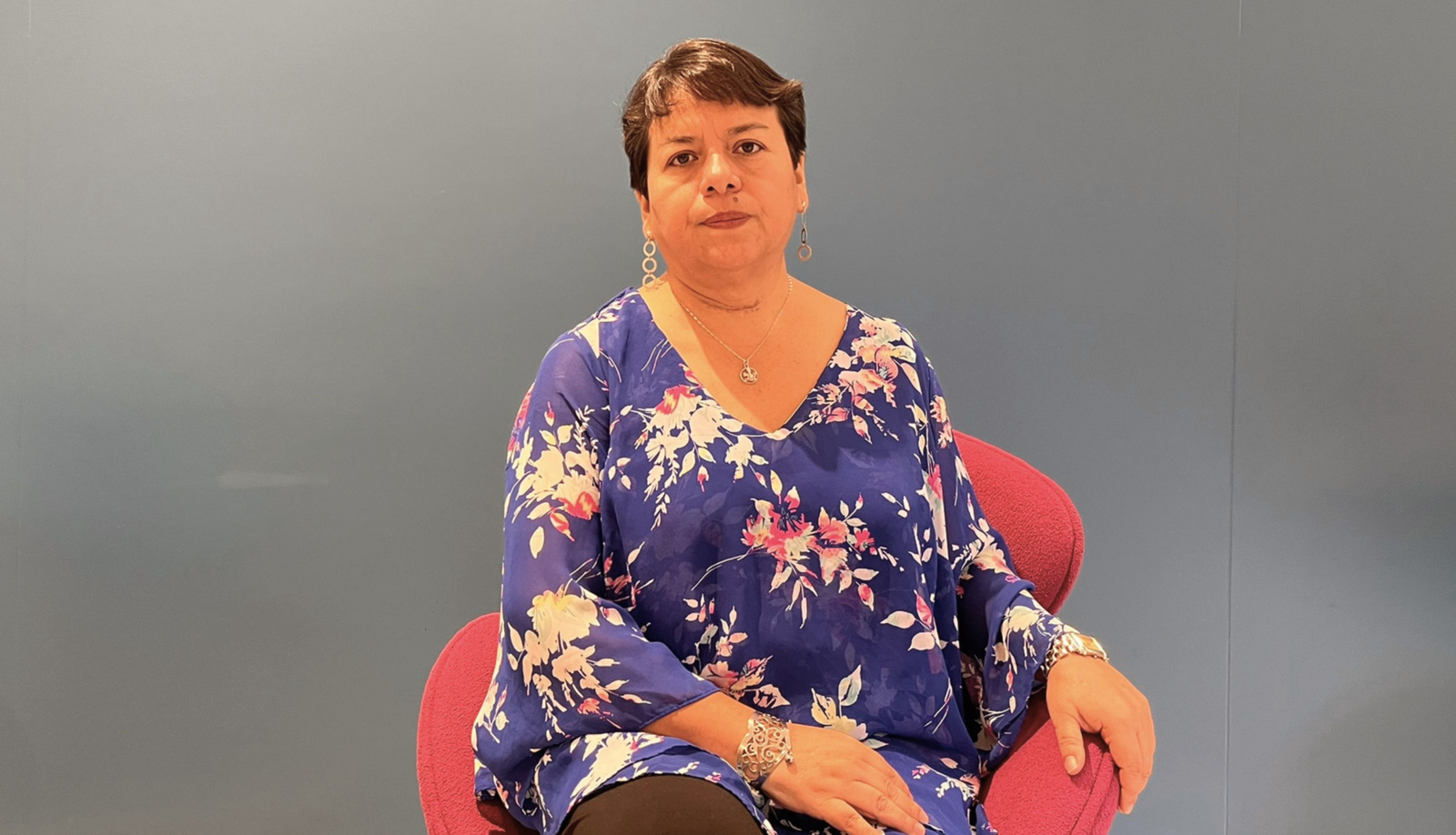
Sharmelí Bustíos Patiño was only 14 when her father, 38-year-old Peruvian journalist Hugo Bustíos Saavedra, was killed on November 24, 1988, while covering the war between the Peruvian army and leftist Shining Path guerrillas in a violent ambush near the town of Huanta. After nearly four decades of fighting to find her father’s killer, Sharmelí found justice in 2023 when former army intelligence chief turned-politician Daniel Urresti Elera was sentenced to 12 years in prison for conspiring to kill Bustíos. However, that justice was short-lived.
In February 2026, a ruling from Peru’s Constitutional Tribunal, the country’s highest court, saw Urresti walk free on March 3 and announce his return to politics. The Tribunal based its decision on a controversial amnesty law approved last year by Peru’s Congress, which states that war crimes and crimes against humanity can only be prosecuted if they occurred after July 1, 2002. The Bustíos family plans to appeal the ruling.
“We had been told to prepare ourselves for such a ruling, but it still came as a shock,” said Sharmelí. “It was announced on February 20, my father’s birthday. He would have been 76 years old. I was indignant. It was an insult not just to our family but to all the people who were assassinated during the war.”
The Committee to Protect Journalists, the United Nations and more human rights groups have condemned the legislation as a breach of international standards that affirm such atrocities are not subject to statutes of limitations. Urresti’s conviction marked the first time ever in Peru that a suspect was found guilty of conspiring to kill a journalist, and was hailed by press freedom groups as a key step towards ending impunity for crimes against the press in Peru. Yet now Sharmelí, a journalist herself, fears that progress in the country is sliding backwards.
In an interview with CPJ in Lima, Sharmelí spoke about the latest twist in her father’s case and the current state of press freedom in Peru.
This interview was edited for length and clarity.
As a correspondent for Lima news magazine Caretas, Bustíos often investigated human rights abuses committed during the war when he was killed. What do you remember the most about his journalistic spirit?
He was always very active. He had a law degree and was also a small businessman. He loved to play soccer and volleyball. Even though he was very busy, he spent a lot of time with us, and we always had breakfast and lunch together. He had a lot of courage and took a lot of risks.
Last year, four Peruvian journalists were killed in a reported spike in violence against the press. When it comes to press freedom, is there a sense that Peru is going backwards?
It’s a tragic situation. The conditions for a vigorous free press do not exist in Peru. Not only are journalists being killed but they are being defamed and slapped with lawsuits. Even so, if my father were still alive, I think he would have persisted in journalism. Nothing would have stopped him, and he would have won journalism prizes.
After pursuing justice for your father for so long, how did you feel when Daniel Urresti was finally convicted in 2023?
You should not have to wait more than 30 years to secure justice for the murder of a journalist. Perhaps some of the delays were understandable when the war was still going on. Now, the war is over, and we are supposed to be living under a democracy. Yet the justice system is still weak and paralyzed. That’s why when the guilty verdict was announced, it was hard to believe. I had felt smothered by the justice system for so long and then, suddenly, I felt I could breathe again because it allowed us to close a chapter of family history.
Do you know what led to Peru’s congress passing the 2025 amnesty law that prompted the Constitutional Tribunal to throw out Urresti’s conviction?
The military has many powerful allies in Congress who argue that, during the guerrilla war, the army was defending the country from terrorism and that, therefore, former soldiers and officers should not be prosecuted.
What was your reaction to the court’s ruling to free Urresti now?
The court did not say Urresti is innocent. He is now free, but he is not innocent. The decision means that impunity prevails. Peru’s justice system promotes impunity because it puts so many obstacles in your path as you seek justice and tries to wear you out and make you give up. It’s a very cruel system that never allows relatives of victims to bring an end to their mourning or to live in peace.
Did you ever meet Urresti?
No. But once, during a hearing, Urresti came over, greeted my mother and shook her hand. He is shameless. But that’s the way he is. He’s a politician. My mother was polite to him, but she was also shocked.
What is the next step after appealing the Tribunal’s ruling?
We plan to appeal in Peru and if that doesn’t work then go to the Inter-American Commission on Human Rights. This was a crime against humanity so there can be no statute of limitations that would go against the constitution and against international standards. We have to continue to fight for justice and I remain committed to promoting human rights and to honoring the memory [of victims of human rights violations]. This is the best way forward.
Read the full article here
Fact Checker
Verify the accuracy of this article using AI-powered analysis and real-time sources.