

 Freedom Index
Listen to the article
Traders are miscalculating the severity and the duration of economic fallout from the Middle East conflict and are pricing in a “TACO” trade, which stands for “Trump always chickens out,” according to market analyst and founder of the Coin Bureau, Nic Puckrin.
The term was coined by Wall Street and refers to US President Donald Trump backing down in geopolitical conflicts. However, Puckrin warned that “Trump is not in sole control of the situation,” and there are no easy or quick exits from the war.
If oil continues to trade above $100 per barrel, economic growth will slow, and Personal Consumption Expenditures (PCE) inflation will rise by up to 1 percentage point, Puckrin said.
This environment could lead to stagflation, an economic scenario where inflation rises, while economic growth and employment fall, a “dreaded” situation, Puckrin said. He added:
“If oil stays above $100 throughout Q2 and into Q3, stagflation becomes a real problem for the Fed. In the 1970s, the S&P 500 went essentially nowhere in real terms for an entire decade once stagflation took hold.”
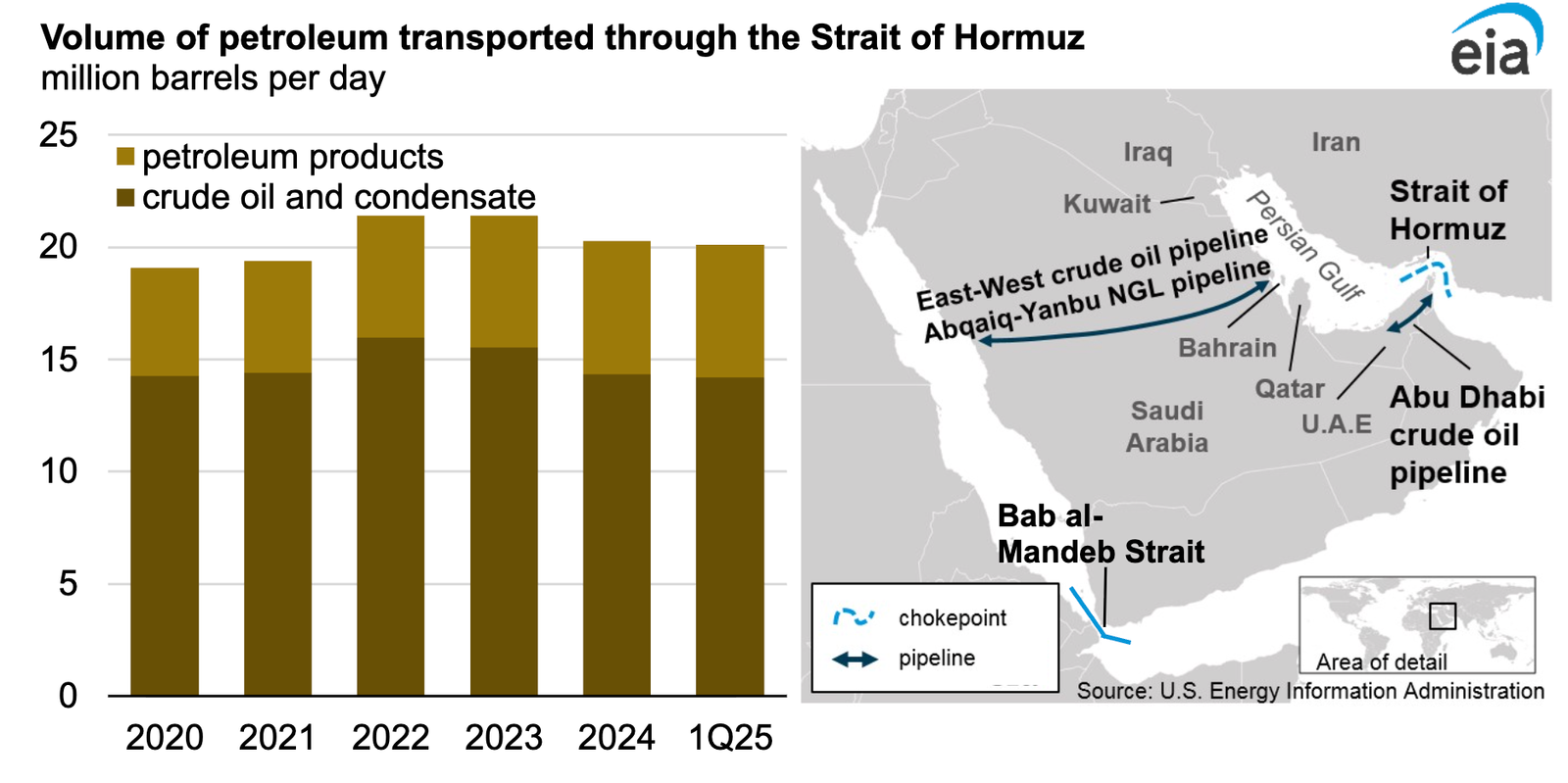
Markets might have a “rude awakening” to the war in the Middle East, Puckrin said, stressing that the longer the Strait of Hormuz, a waterway that 20% of the global oil supply passes through, remains closed, the economic effects will worsen.
“Even if the Strait of Hormuz were to open today, the disruption to the Gulf’s oil-producing infrastructure will take months to rebuild,” he said.
Energy is a critical input to all economic activity, and a rise in energy prices typically raises the price of all other goods and services.
Elevated inflation means interest rate cuts, which are stimulative to risk assets like crypto, will not materialize, and the Federal Reserve may raise rates to combat inflation, quashing any hopes of easing liquidity conditions to spur a crypto market rally.
Related: Bitcoin whales shift $100M+ as oil spike rattles markets
Federal Reserve chairman says Middle East war clouds the central bank’s forecasts
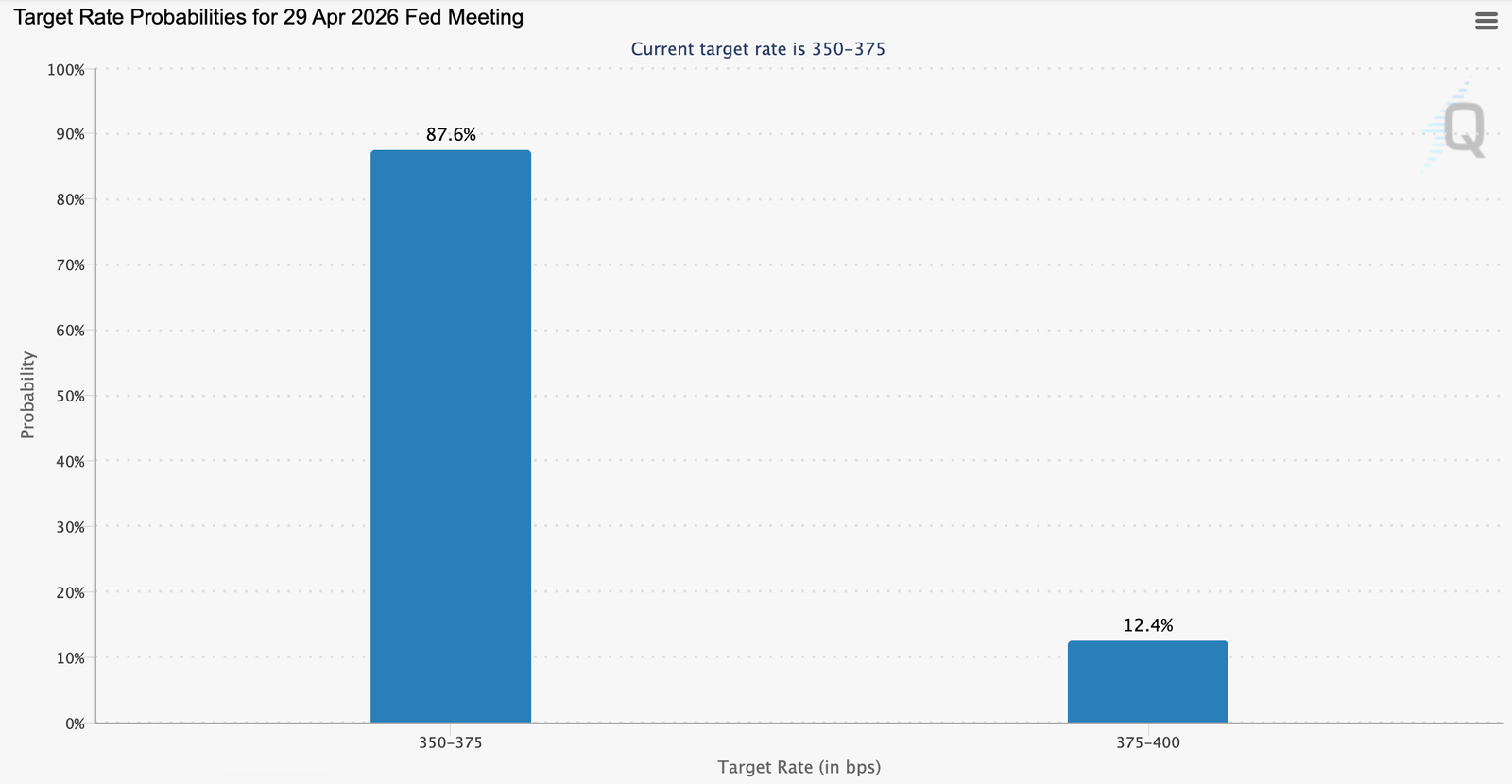
The Federal Open Market Committee (FOMC), the group that determines interest rate policy in the United States, held interest rates steady in March, leaving the Federal Funds rate between 3.5% and 3.75%.
Rate cut odds have all but vanished for the upcoming April FOMC meeting. Meanwhile, there’s a small but growing probability — aorund 12% — that the FOMC will raise rates next month, according to the Chicago Mercantile Exchange’s (CME) FedWatch tool.
“The implications of events in the Middle East for the US economy are uncertain in the near term. Higher energy prices will push up overall inflation,” Federal Reserve Chairman Jerome Powell said at a press conference on Wednesday.
However, Powell clarified that it is still “too soon” to accurately gauge the scope and severity of the potential economic effects from the war and the disruption to the global energy infrastructure.
Magazine: Bitcoin is ‘funny internet money’ during a crisis: Tezos co-founder
Read the full article here
Fact Checker
Verify the accuracy of this article using AI-powered analysis and real-time sources.