

 Freedom Index
Listen to the article
For 30 years, Section 230 of the Communications Decency Act has protected online speech, shielding platforms from liability for content posted by third parties. Basically, comments sections, discussion boards, and social media are made possible by that law. But Section 230 has long suffered attacks from people who don’t like what they see published in the digital world. This week, the U.S. Senate Commerce Committee heard arguments from both those who favor maintaining the current free environment for online speech and those who want to roll it back or outright repeal its protections.
You are reading The Rattler from J.D. Tuccille and Reason. Get more of J.D.’s commentary on government overreach and threats to everyday liberty.
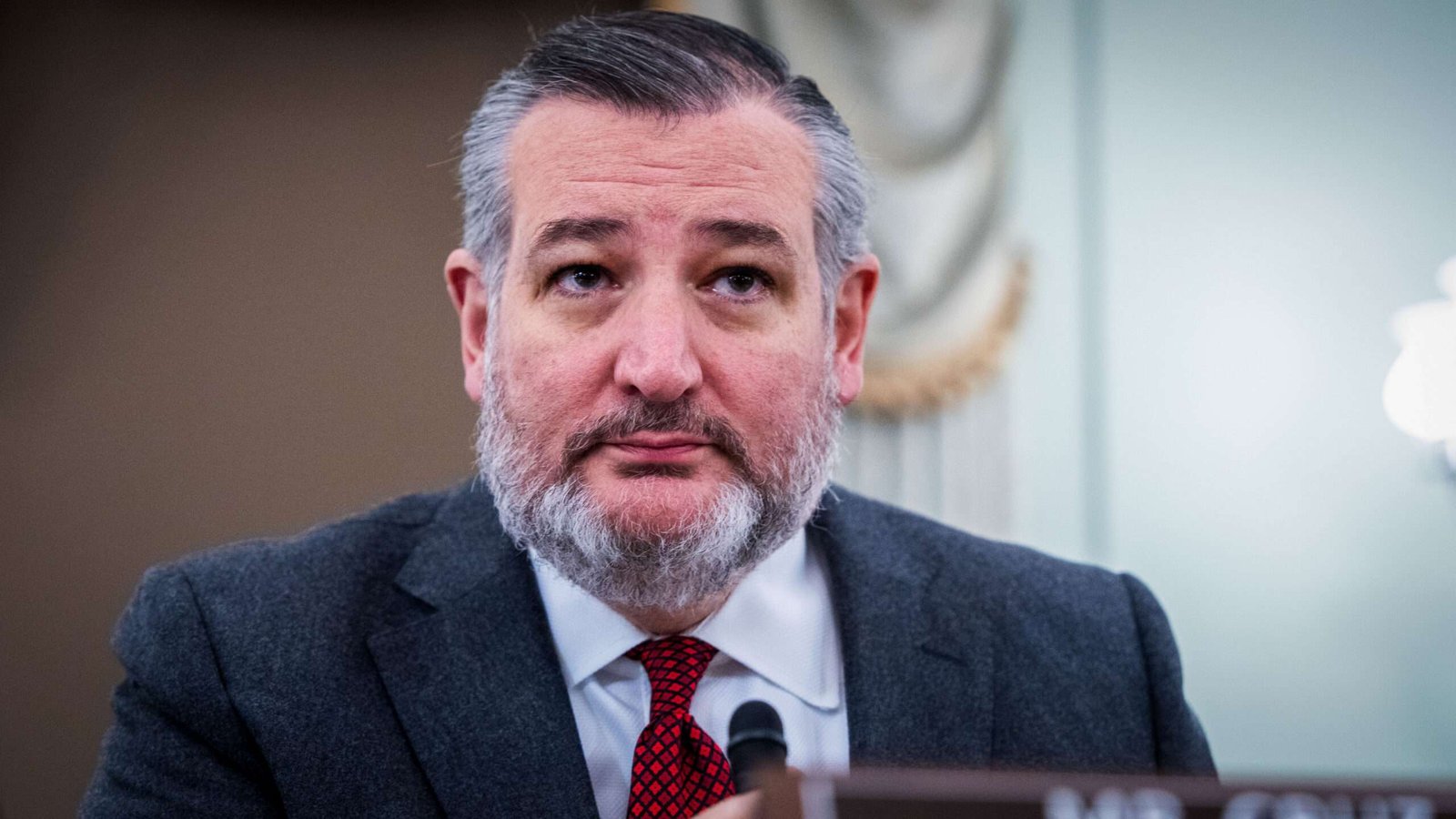
“It was only a short time ago that speech and newsworthiness was controlled by a handful of TV networks and giant newspaper publishers,” Committee Chairman Sen. Ted Cruz (R–Texas) said in opening comments. “If you held a position they didn’t want to print, or wasn’t consistent with their political views, it didn’t get said. The internet changed that, allowing anyone to bypass these gatekeepers and shape public opinion with their own views.”
Cruz gave a brief history of the early legal treatment of online speech and the evolution of what became Section 230 of the Communications Decency Act. Before passage of the law, court decisions gave internet platforms a choice between a completely hands-off approach to anything published by users on their sites, or else taking responsibility for all that was posted. That meant leaving even the vilest content up or assuming the impossible task of moderating everything. The new law created a middle ground.
“Congress included Section 230 to ensure that online platforms would not be liable for the illegal speech of another person,” Cruz noted.
But Cruz went on to address modern concerns that big tech companies have become “the new speech police”—often in service to government agendas, as we saw under the Biden administration with the suppression of criticism directed at public health policy and discussion of Hunter Biden’s laptop.
Cruz has also criticized the Trump administration, particularly Federal Communications Commission (FCC) Chairman Brendan Carr, for squeezing disfavored speech through old-fashioned regulatory pressure. He proposed stripping the FCC of some of its authority as a consequence.
But while Cruz acknowledged support in some circles for legislative changes that would target tech firms that many of his allies see as political foes, he came out on the side of maintaining current protections. “I’m concerned that a full repeal or sunset would lead platforms to engage in worse behavior, to engage in more censorship, to protect themselves from litigation,” he warned regarding Section 230. In this, Cruz will find plenty of support among free speech advocates.
Key language in Section 230 is often described as “the twenty-six words that created the internet.” Those words are: “No provider or user of an interactive computer service shall be treated as the publisher or speaker of any information provided by another information content provider.”
“Without Section 230, websites would be left with a menu of unattractive options to avoid lawsuits over their users’ speech,” Aaron Terr of the Foundation for Individual Rights and Expression wrote in 2023. “Many would likely change their business model and stop hosting user-generated content altogether, creating a scarcity of platforms that sustain our ability to communicate with each other online.”
That potential end to hosting user-generated content in the form of comments, discussions, and social media posts lies at the core of Cruz’s concern that fear of litigation would fuel greater censorship and return us to the days of gatekeepers controlling which ideas are aired for public debate.
“Section 230 has created space for social movements; enabled platforms to host the speech of activists and organizers; and allowed users and content creators on sites like Instagram, TikTok, and Twitch to reach an audience and make a living,” commented Jenna Leventoff, senior policy counsel at the ACLU, after a 2024 House hearing on Section 230. “Platforms must be able to host user speech without the threat of constant lawsuits.”
The Cato Institute’s David Inserra agrees, writing that “Section 230 is a cornerstone of how online speech works in the United States. It allows websites and platforms to host user-generated content without being legally responsible for everything their users say, while still giving them the freedom to remove content that they and their users may find objectionable.”
While skeptics of Section 230 hope that legal changes will rein in tech giants who muzzle some people and ideas on behalf of their own prejudices or their friends in government, Inserra believes the opposite is likely to occur: “Expanding platform liability would entrench large incumbents by raising legal and compliance costs that small and new companies cannot absorb, ultimately reducing competition and innovation.”
That is, Facebook and Google are in better positions to weather a less-friendly legal environment than are smaller operations that might be more philosophically inclined to host challenges to establishment opinions but would potentially face crippling consequences for doing so in the absence of Section 230.
Senators heard testimony on both sides of the debate, although members of the committee already hold firm opinions on the issue. While Cruz has come out in favor of retaining Section 230’s protections for free speech, other members of the committee from both parties strongly disagree. Sens. Marsha Blackburn (R–Tenn.) and Amy Klobuchar (D–Minn.) have both signed on to a bipartisan bill sponsored by Sens. Lindsey Graham (R–S.C.) and Dick Durbin (D–Ill.) that would sunset Section 230.
“I am extremely pleased that there is such wide and deep bipartisan support for repealing Section 230, which protects social media companies from being sued by the people whose lives they destroy,” Graham commented in December. He accused tech firms of “making billions of dollars in advertising revenue off some of the most unsavory content and criminal activity imaginable.”
Of course, much of that allegedly objectionable content originates with users, who will be largely silenced in the absence of Section 230. Without the protection of the law, the internet might be a nicer place, but that’s only because a great deal of free-wheeling discussion among regular people will be shut down.
Read the full article here
Fact Checker
Verify the accuracy of this article using AI-powered analysis and real-time sources.