Close Menu
FSNN | Free Speech News NetworkFSNN | Free Speech News Network
  • Home
  • News
    • Politics
    • Legal & Courts
    • Tech & Big Tech
    • Campus & Education
    • Media & Culture
    • Global Free Speech
  • Opinions
    • Debates
  • Video/Live
  • Community
  • Freedom Index
  • About
    • Mission
    • Contact
    • Support
Trending

Section 230’s Legal Protections for Internet Speech Face New Challenge

3 minutes ago

Bitcoin consolidates as traders hedge and macro uncertainty lingers: Crypto Markets Today

22 minutes ago

South Korea Tax Office Eyes Private Custody After Seized Crypto Loss

22 minutes ago
Facebook X (Twitter) Instagram
Facebook X (Twitter) Discord Telegram
FSNN | Free Speech News NetworkFSNN | Free Speech News Network
Market Data Newsletter
Friday, March 20
  • Home
  • News
    • Politics
    • Legal & Courts
    • Tech & Big Tech
    • Campus & Education
    • Media & Culture
    • Global Free Speech
  • Opinions
    • Debates
  • Video/Live
  • Community
  • Freedom Index
  • About
    • Mission
    • Contact
    • Support
FSNN | Free Speech News NetworkFSNN | Free Speech News Network
Home»News»Media & Culture»Nuclear Power Regulators Scrap Rule Saying New Reactors Must Withstand 9/11-Style Plane Crashes
Media & Culture

Nuclear Power Regulators Scrap Rule Saying New Reactors Must Withstand 9/11-Style Plane Crashes

News RoomBy News Room4 days agoNo Comments3 Mins Read1,209 Views
Share Facebook Twitter Pinterest Copy Link LinkedIn Tumblr Email VKontakte Telegram
Nuclear Power Regulators Scrap Rule Saying New Reactors Must Withstand 9/11-Style Plane Crashes
Share
Facebook Twitter Pinterest Email Copy Link

Listen to the article

0:00
0:00

Key Takeaways

Playback Speed

Select a Voice

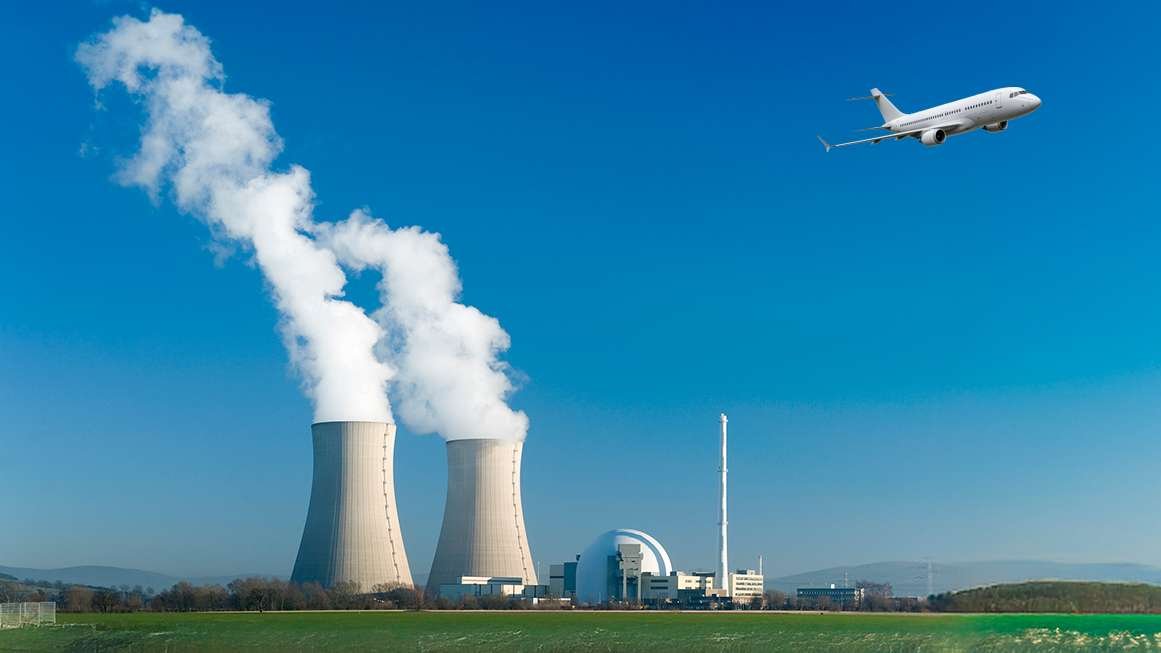
Regulations have made it harder and more expensive to deploy nuclear power in the United States. But in January, the Nuclear Regulatory Commission (NRC) rolled back more than a dozen regulations, including the “aircraft impact assessment.” The rule, which was finalized in 2009, required developers of new power plants to demonstrate to the NRC that their reactor core would remain intact in the event of an improbable 9/11-style plane crash.

The rule did nothing to make nuclear power plants safer, since these facilities are already engineered and regulated to withstand natural disasters such as earthquakes, large fires, floods, and hurricanes. The NRC itself acknowledged this at the time, saying that “compliance” with the rule “is not needed for adequate protection to public health and safety or common defense and security.” Nor did it do anything to improve disaster preparedness; the agency admitted when it finalized the rule that it’s up to the federal government, not nuclear power plant operators, to “prevent the impact of large commercial aircraft.”

The rule was successful, though, in making it harder to build nuclear energy projects.

In late 2008, Georgia Power asked state regulators to approve an expansion project at the Vogtle power plant involving two advanced nuclear reactors. After six months of review, regulators signed off on the project. Despite the state’s approval and the fact that the reactor design was greenlit by federal regulators in 2006, the NRC decided not to permit the project until the reactor complied with the agency’s aircraft assessment rule.

It took three new design iterations, numerous changes to the reactor’s structure, and over two years of work before the NRC allowed the project to move forward, wrote Rod Adams, managing partner at venture capital firm Nucleation Capital, in a 2023 article in Atomic Insights. It’s difficult, if not impossible, to put an exact price tag on these delays, Adams says. But it is fair to say that the aircraft impact rule played a major role in delaying the buildout, and thus increasing the cost, of Vogtle’s two new nuclear reactors, which ran more than $15 billion over budget and were completed seven years behind schedule.

Like so many other regulations for nuclear power, the aircraft impact rule was more of a P.R. gimmick designed to ease concern over the energy source than it was a sound rule. Other edicts are still in place that make it unnecessarily hard to build nuclear power. But for now, we can celebrate that the government finally acknowledged that the cost of this regulation (less clean energy) far outweighed its benefits (none).

This article originally appeared in print under the headline “New York City’s OMNY transit fare system is a privacy risk.”

Read the full article here

Fact Checker

Verify the accuracy of this article using AI-powered analysis and real-time sources.

Get Your Fact Check Report

Enter your email to receive detailed fact-checking analysis

5 free reports remaining

Continue with Full Access

You've used your 5 free reports. Sign up for unlimited access!

Already have an account? Sign in here

#MediaAndPolitics #MediaBias #PoliticalCoverage #PoliticalDebate #PoliticalMedia
Share. Facebook Twitter Pinterest LinkedIn Tumblr Email Telegram Copy Link
News Room
  • Website
  • Facebook
  • X (Twitter)
  • Instagram
  • LinkedIn

The FSNN News Room is the voice of our in-house journalists, editors, and researchers. We deliver timely, unbiased reporting at the crossroads of finance, cryptocurrency, and global politics, providing clear, fact-driven analysis free from agendas.

Related Articles

Media & Culture

Section 230’s Legal Protections for Internet Speech Face New Challenge

3 minutes ago
Cryptocurrency & Free Speech Finance

Bitcoin Rallies to $71K as Bessent Mulls Lifting Some Iran Oil Sanctions

26 minutes ago
Media & Culture

Review: This Podcast Details the Brutal Effects of the War on Drugs

1 hour ago
Cryptocurrency & Free Speech Finance

‘Extreme Fear’ Hits Crypto Markets After Bitcoin Gives Up $75K Spike

1 hour ago
Cryptocurrency & Free Speech Finance

What Are Coin Mixers and How Do They Work?

3 hours ago
Media & Culture

Brickbat: No Right To Know

3 hours ago
Add A Comment
Leave A Reply Cancel Reply

Editors Picks

Bitcoin consolidates as traders hedge and macro uncertainty lingers: Crypto Markets Today

22 minutes ago

South Korea Tax Office Eyes Private Custody After Seized Crypto Loss

22 minutes ago

Bitcoin Rallies to $71K as Bessent Mulls Lifting Some Iran Oil Sanctions

26 minutes ago

Review: This Podcast Details the Brutal Effects of the War on Drugs

1 hour ago
Latest Posts

Browser maker Opera seeks 160 million CELO stake to become key network stakeholder

1 hour ago

World Gold Council Introduces Digital Gold Platform

1 hour ago

‘Extreme Fear’ Hits Crypto Markets After Bitcoin Gives Up $75K Spike

1 hour ago

Subscribe to News

Get the latest news and updates directly to your inbox.

At FSNN – Free Speech News Network, we deliver unfiltered reporting and in-depth analysis on the stories that matter most. From breaking headlines to global perspectives, our mission is to keep you informed, empowered, and connected.

FSNN.net is owned and operated by GlobalBoost Media
, an independent media organization dedicated to advancing transparency, free expression, and factual journalism across the digital landscape.

Facebook X (Twitter) Discord Telegram
Latest News

Section 230’s Legal Protections for Internet Speech Face New Challenge

3 minutes ago

Bitcoin consolidates as traders hedge and macro uncertainty lingers: Crypto Markets Today

22 minutes ago

South Korea Tax Office Eyes Private Custody After Seized Crypto Loss

22 minutes ago

Subscribe to Updates

Get the latest news and updates directly to your inbox.

© 2026 GlobalBoost Media. All Rights Reserved.
  • Privacy Policy
  • Terms of Service
  • Our Authors
  • Contact

Type above and press Enter to search. Press Esc to cancel.

🍪

Cookies

We and our selected partners wish to use cookies to collect information about you for functional purposes and statistical marketing. You may not give us your consent for certain purposes by selecting an option and you can withdraw your consent at any time via the cookie icon.

Cookie Preferences

Manage Cookies

Cookies are small text that can be used by websites to make the user experience more efficient. The law states that we may store cookies on your device if they are strictly necessary for the operation of this site. For all other types of cookies, we need your permission. This site uses various types of cookies. Some cookies are placed by third party services that appear on our pages.

Your permission applies to the following domains:

  • https://fsnn.net
Necessary
Necessary cookies help make a website usable by enabling basic functions like page navigation and access to secure areas of the website. The website cannot function properly without these cookies.
Statistic
Statistic cookies help website owners to understand how visitors interact with websites by collecting and reporting information anonymously.
Preferences
Preference cookies enable a website to remember information that changes the way the website behaves or looks, like your preferred language or the region that you are in.
Marketing
Marketing cookies are used to track visitors across websites. The intention is to display ads that are relevant and engaging for the individual user and thereby more valuable for publishers and third party advertisers.