

 Freedom Index
Listen to the article
Nairobi, February 26, 2026—Journalist Peter Maseke Mwita has a keener interest than most in Friday’s upcoming ruling on the constitutionality of Kenya’s cybercrime law — legislation that could see him jailed for up to 10 years over a mistaken WhatsApp message.
On February 27, a three-judge court of appeal bench is due to rule in a case brought by the Blogger Association of Kenya (BAKE) against the 2018 Computer Misuse and Cybercrimes Act, which the community group argues violates freedom of expression and has been used to arbitrarily prosecute critical journalists and bloggers.
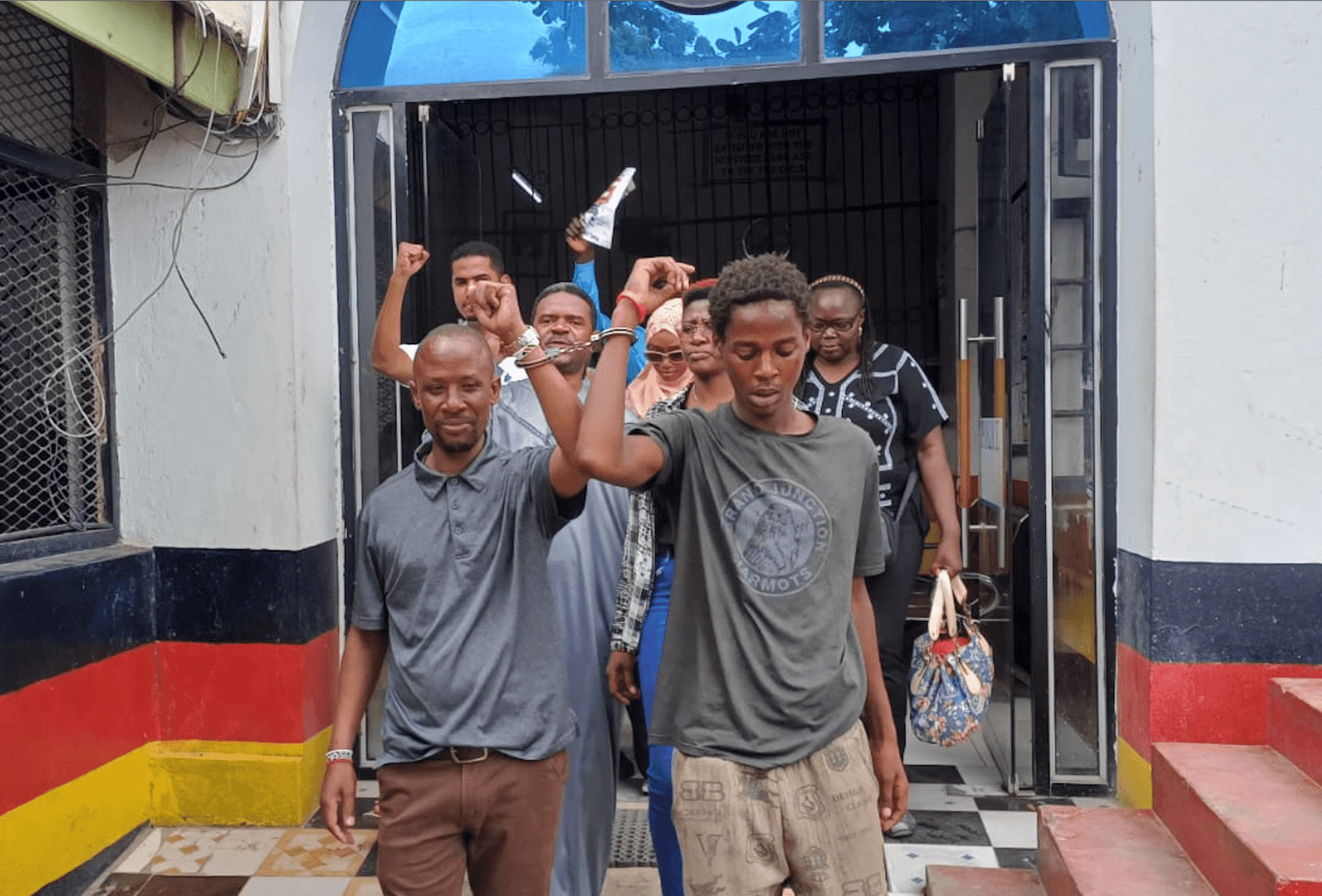
Mwita’s legal troubles date back to December 31, when he was detained by police for seven days because of information he had shared in a local news WhatsApp group, alleging links between a local politician in the coastal city of Mombasa and a criminal gang.
Mwita told CPJ he sent the message to the news group by mistake and that its only intended recipient was a police officer whom he had asked to provide comment for a story he was reporting about local gangs.
Mwita, who is a security and court reporter and station manager for privately owned Al Shifaa Media, said police took him into custody after he refused to reveal his sources. He was released on bail on January 7.
Mwita told CPJ he has avoided reporting crime stories since his release because he is worried about further persecution.
“I am not truly free,” he told CPJ.
On February 25, Mwita appeared in court in Mombasa where he was charged and pleaded “not guilty” before being released on a personal bond of 500,000 shillings (US$3,879) with three additional sureties guaranteeing him for a total 600,000 shillings (US$4,655).
“It is not easy, facing charges that have a heavy punishment,” Mwita said. “Being a family man with children in school, facing 10 years in prison is not easy. If I am imprisoned, who will take care of my children?”
Journalists, bloggers, and activists arrested
Mwita is the latest in a series of bloggers, journalists, and activists arrested under the cybercrimes law, which critics say is used to silence criticism of the powerful by prohibiting speech on vague grounds, leading many journalists to self-censor.
Like Mwita, Standard Media Group photojournalist and reporter Collins Kweyu was arrested after seeking a right of reply.
On September 19, Kweyu was detained overnight for cyber harassment because he asked a judge to comment on allegations of corruption. Kweyu, who also founded the online outlet Daily News Kenya, told CPJ he contacted the judge via messaging app.
The investigation against the journalist was dropped and, instead, Kweyu became a state witness in authorities’ investigations into the allegations.
Others caught up by the law include:
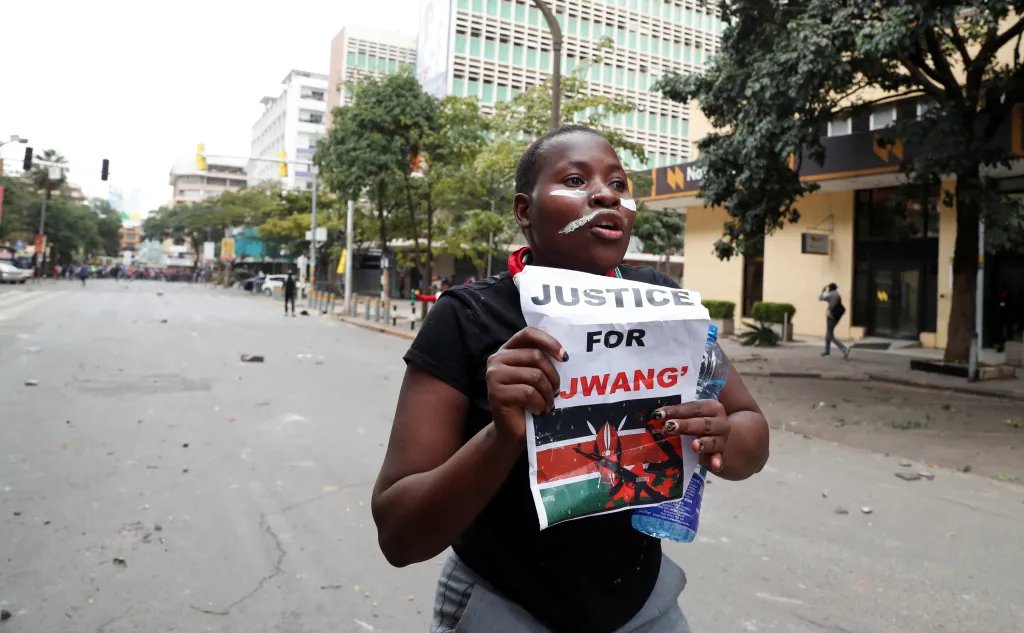
- Blogger Albert Omondi Ojwang, who died in police custody in June after being arrested on false publication charges for his post about corruption investigations involving a senior police officer. The police said in a statement that he “sustained head injuries after hitting his head against the cell wall” but a post-mortem later found Ojwang was likely beaten to death.
- Software developer Rose Njeri was detained for four days in May on charges accused of unauthorized interference with a computer system for developing a program that allowed the public to send emails opposing the 2025 Finance Bill. In June, the charges were dropped.
- Student David Mokaya was also charged with publishing false information in 2024 for posting an AI-generated image of President William Ruto’s coffin. He was acquitted earlier this month.
To protect those in power
BAKE’s constitutional appeal is the final stage in a petition that it filed against the cybercrimes law in 2018, which led to the provisional suspension of 26 of its sections. In 2020, a High Court judge dismissed the case, allowing the suspended provisions to take effect.
Multiple journalists and commentators have been prosecuted under Section 27 of the law, which deems it cyber harassment to communicate with someone if that “conduct” is likely to cause “apprehension or fear of violence,” damage or loss of property, or “detrimentally affects that person,” or is “of an indecent or grossly offensive nature.”
BAKE also wants the courts to strike off sections that criminalize the publication of “false information” that “negatively affects the rights or reputations of others,” with a penalty of up to 10 years in prison. Rights groups, including CPJ, argue this amounts to a re-criminalization of defamation, which Kenya’s High Court ruled in 2017 was unconstitutional.
The law does not define “false information,” “detrimentally affect,” or “grossly offensive.”
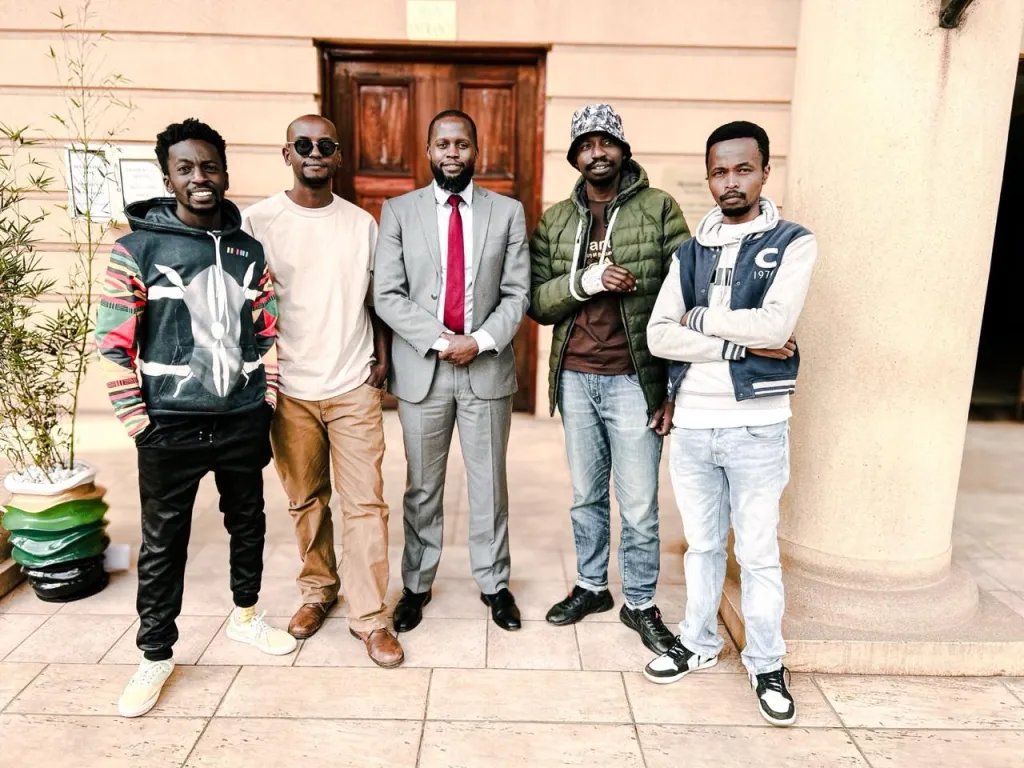
“This law contains sections that are so vague as to allow the state to act in a condemnable manner,” Ian Mutiso, a lawyer who has defended several people prosecuted under the law, told CPJ.
“It gives an opportunity to protect those in seats of power, those who are under criticism and want the criticism to stop,” said Mutiso, adding that the intimidatory impact of the law is such that he has seen previously vocal clients “go silent” on social media after being arrested or charged.
Mutiso is representing four filmmakers who were arrested in September on allegations of publishing false information in a BBC documentary, although the British broadcaster said they were not involved.
Mutiso told CPJ that no charges had been filed, and preliminary hearings were ongoing, including allegations that investigating officers perjured themselves by denying that they installed spyware on the filmmakers’ phones following their arrest. The next hearing is expected on March 4.
Law tightened after Gen Z protests
Separate litigation is ongoing, challenging October amendments to the cybercrimes law which gave a national cybercrime committee power to ban a website or an app “where it is proved” that the site or app “promotes unlawful activities.”
The amendments followed some of Kenya’s most widespread civil unrest in decades, as “Gen Z” protesters used social media to mobilize against the 2024 Finance Bill. In response, coordinated trolls used X, TikTok, Facebook, and WhatsApp to spread disinformation campaigns, targeted abuse, and threats.
Across the world, cyber laws are increasingly being used to silence critical online reporting with criminal defamation and false news charges. CPJ has documented such attacks on the press in Nigeria, Niger, and elsewhere.
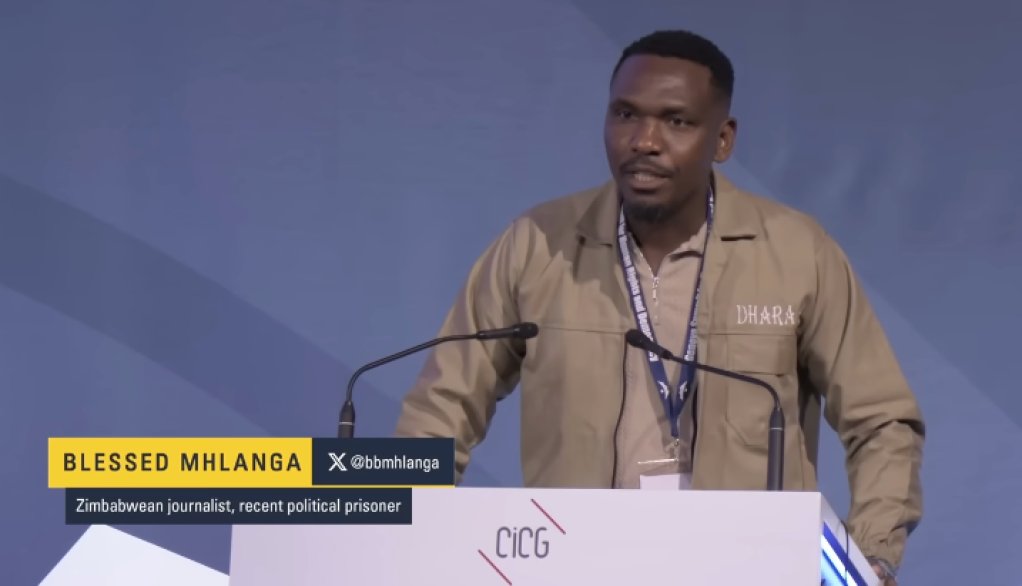
Zimbabwean journalist, Blessed Mhlanga, spent 73 days in pre-trial detention in 2025, on charges of incitement, under the 2021 Cyber and Data Protection Act, for interviewing a war veteran. His trial is ongoing.
Last year Zambia enacted cyber security and cyber crimes laws which contain provisions that amount to criminalization of defamation, despite outcry by civil society organizations, including CPJ.
The Office of the Director of Public Prosecutions acknowledged receipt of CPJ’s emailed February 26 queries but deputy communications director David Kwalimwa said his office might require more time to respond to them. Queries sent via messaging app to police spokesperson Michael Muchiri Nyaga were unanswered, as were those sent to the police via email.
Read the full article here
Fact Checker
Verify the accuracy of this article using AI-powered analysis and real-time sources.