

 Freedom Index
Listen to the article
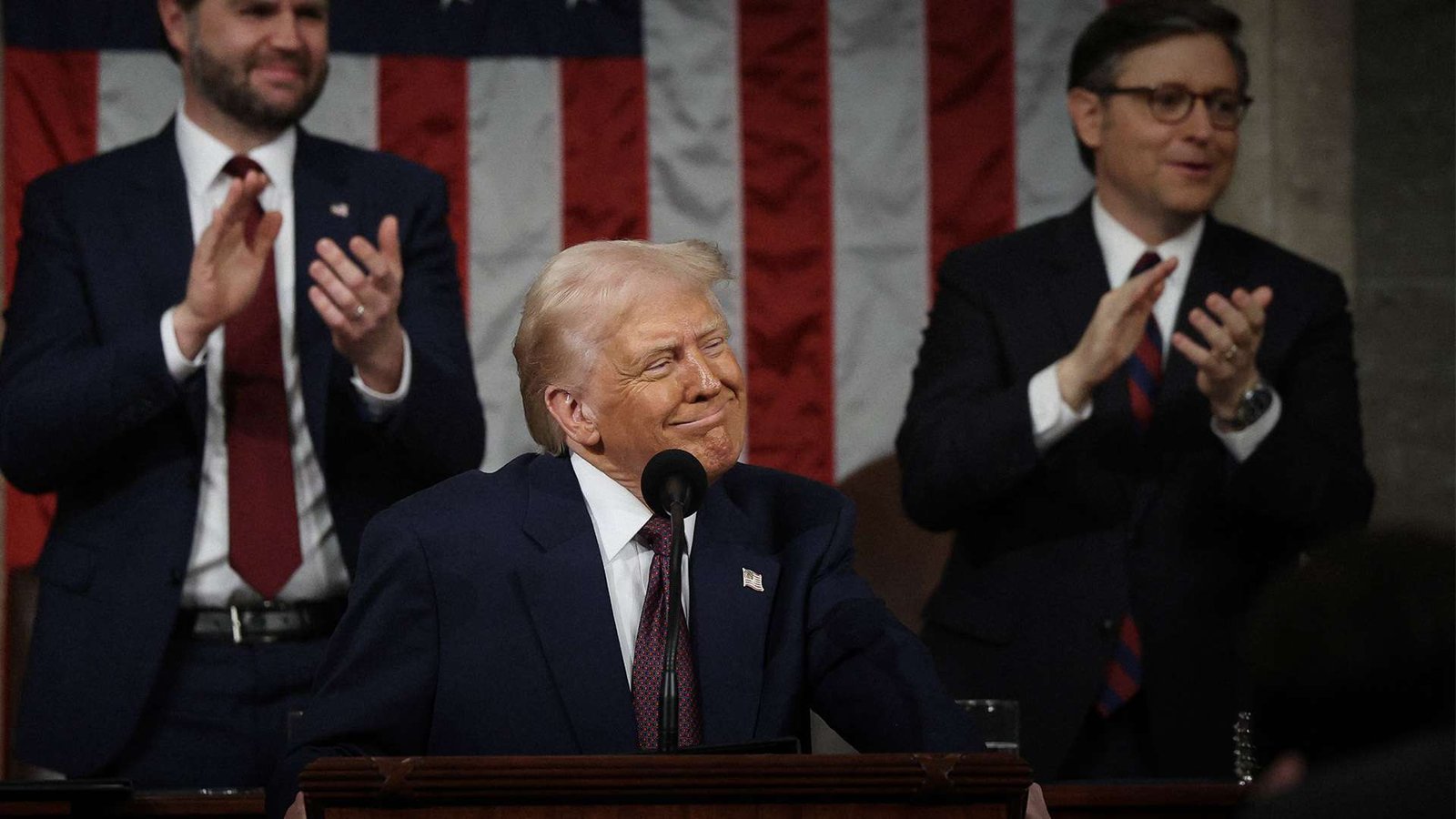
Affordability was a theme of President Donald Trump’s State of the Union address on Tuesday night. Among other things, that meant talking about electricity prices.
Trump promised on the campaign trail that he would halve electricity prices within 18 months of coming into office. But so far, rate increases have easily outpaced inflation. In December 2025, the most recent month for which data are available, residential electricity rates climbed by 6 percent, according to the Energy Information Administration.
While Trump’s energy and trade policies haven’t helped to slow down rate hikes, most of these cost increases can be attributed to the build-out of grid infrastructure—stuff like poles and wires—to accommodate higher power demand from AI and data centers. Indeed, in 2025, regulators from across the country greenlit $11.6 billion in rate increases to accommodate AI’s electricity demands. Many of these have already gone into effect, which has brought on a backlash against data centers both from lawmakers and from local communities.
On Tuesday, Trump proposed a plan to fix this.
“Tonight, I’m pleased to announce that I have negotiated the new ratepayer protection pledge,” the president said. “We’re telling the major tech companies that they have the obligation to provide for their own power needs. They can build their own power plants as part of their factory so that no one’s prices will go up. And in many cases, prices of electricity will go down for the community, and very substantially down.”
While it’s hard to know if prices will, in fact, go down because of these agreements, the plan realizes that the largest impediment to rapid AI growth is public opinion. If the industry can grow without straining the grid and its ratepayers, AI will prosper.
As Christian Britschgi writes in the most recent cover story of Reason, “Advances in artificial intelligence and robotics could liberate humanity from boring, backbreaking labor.” And despite some environmentalists’ concerns, “Data centers consume a tiny portion of the nation’s water. While they’re not the prettiest buildings to look at, they mean less noise, fumes, and traffic than almost any other land use one could care to name.”
“In short,” Britschgi writes, “it’s hard to imagine an industry that gets more juice from the olives it squeezes.”
The executive branch should not be the one brokering these deals. Happily, it may not have to. Anthropic and OpenAI have already begun to address this issue by committing to foot their electricity bills. And last month, Sen. Tom Cotton (R–Ark.) introduced a bill to reduce federal regulations for data centers that don’t connect to the grid.
If these data centers can be built in a way that doesn’t wreak havoc on consumers’ utility bills, there’s no telling what AI’s limit will be.
Read the full article here
Fact Checker
Verify the accuracy of this article using AI-powered analysis and real-time sources.