

 Freedom Index
Listen to the article
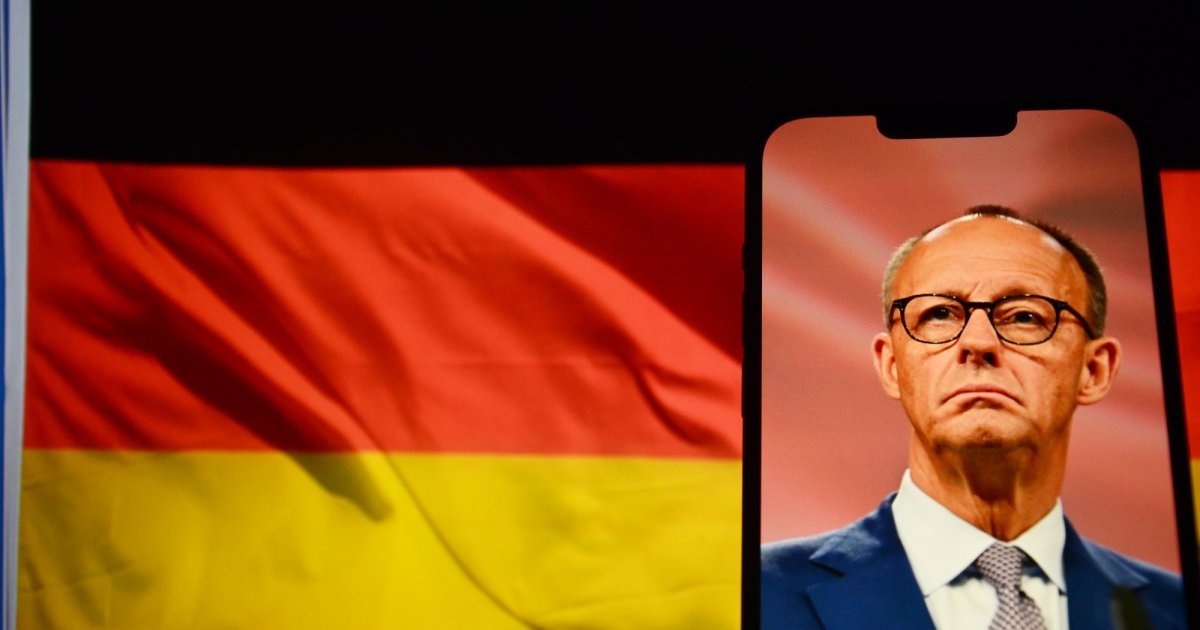
We’ve said it before. We’ll say it again. Ending online anonymity is not some magical cure to “fix” whatever problems you believe plague the internet and its culture. And for whatever ills may exist on social media, this kind of cure would be worse than the disease. But German Chancellor Friedrich Merz said at an event this week that online anonymity is a problem — and he wants it to end.
“I want to see real names on the internet. I want to know who is speaking,” Merz said on Wednesday in Trier, Germany. “In politics, we engage in debates in our society using our real names and without visors. I expect the same from everyone else who critically examines our country and our society.”
Merz also expressed concerns about fake news, algorithms, and the prevalence of social media use among minors (German politicians are currently discussing following other nations in adopting a social media ban for teens).
It’s one thing to praise the value and benefits of speaking out under your true identity, but German citizens have reason to be troubled by Merz’s comments. For one, given the extent to which Germany and European nations regulate internet speech, Merz and other officials may indeed push for further rules that require social media users to post under their real names. Second, and most importantly, what you post online can already have consequences in Germany. There are very real risks of telling the world who you are when you tell them what you think.
German police regularly raid the homes of those accused of hateful speech, or even just insulting speech — sometimes in pre-dawn raids, where the target’s electronics are seized. Prosecutors have said that online insults may be taken more seriously because of the more permanent nature of speech typed rather than spoken. And, believe it or not, insults directed at politicians are treated even more harshly under German law than those about non-public figures.
Anonymity isn’t some minor issue. For many people, it’s the only way they can express themselves.
So you can probably see why German citizens (or any nation’s citizens) of all political persuasions might prefer to have at least the initial protection of a pseudonym when they engage in political speech online.
But Americans should remember that our right to speak anonymously online is under attack here at home, too. Legislation like the Kids Online Safety Act and the growing state-by-state age verification bills present a real risk to the privacy and anonymity of American adults and minors alike.
Free Speech Dispatch
The Free Speech Dispatch is a regular series covering new and continuing censorship trends and challenges around the world. Our goal is to help readers better understand the global context of free expression.
Read More
Perhaps even more urgent for Americans are the reported efforts by the Trump administration to unmask citizens who have done nothing more than exercise their rights to condemn and discuss government acts. A disturbing Washington Post investigation earlier this month detailed how the Department of Homeland Security is abusing oversight-free administrative subpoenas to target protected speech, including a man who sent an email about efforts to deport an Afghan asylum seeker on humanitarian parole.
The New York Times followed with a report that DHS has issued hundreds of these subpoenas to tech companies, including Google and Meta, to get identifying information for people who have criticized ICE or discussed where and when agents are conducting operations. (This month, FIRE filed a lawsuit against Attorney General Pam Bondi and Secretary of Homeland Security Kristi Noem over their efforts to strong-arm Apple and Facebook to take down speech reporting on ICE activity.)
Anonymity isn’t some minor issue. For many people, it’s the only way they can express themselves. German citizens should speak out to protect the future of anonymous speech in their country. And Americans must, too.
Read the full article here
Fact Checker
Verify the accuracy of this article using AI-powered analysis and real-time sources.