Close Menu
FSNN | Free Speech News NetworkFSNN | Free Speech News Network
  • Home
  • News
    • Politics
    • Legal & Courts
    • Tech & Big Tech
    • Campus & Education
    • Media & Culture
    • Global Free Speech
  • Opinions
    • Debates
  • Video/Live
  • Community
  • Freedom Index
  • About
    • Mission
    • Contact
    • Support
Trending

Historic Taking

16 minutes ago

Why Israel Can’t Live With a Nuclear Iran: Gadi Taub

37 minutes ago

A crypto coalition releases technical proposal to save Aave users from a massive token exploit

41 minutes ago
Facebook X (Twitter) Instagram
Facebook X (Twitter) Discord Telegram
FSNN | Free Speech News NetworkFSNN | Free Speech News Network
Market Data Newsletter
Wednesday, April 29
  • Home
  • News
    • Politics
    • Legal & Courts
    • Tech & Big Tech
    • Campus & Education
    • Media & Culture
    • Global Free Speech
  • Opinions
    • Debates
  • Video/Live
  • Community
  • Freedom Index
  • About
    • Mission
    • Contact
    • Support
FSNN | Free Speech News NetworkFSNN | Free Speech News Network
Home»News»Global Free Speech»Ukraine’s youth abroad are censoring what they say to those still at home. Photo: Illia Horokhovsky/Unsplash This article first appeared in the Winter 2025 issue of Index on Censorship, Gen Z is revolting: Why the world’s youth will not be silenced, published on 18 December 2025. For Ukraine’s Gen Z, the war has created two kinds of silence: one under sirens and the other under guilt. Those who stayed live through air raid alerts and numb routine; those who left watch from abroad – scrolling through updates, unsure what to say to the people they love back home. Both carry their version of survival, and both are having to learn to speak to each other again. In Dnipro, Dasha Buldenko, 19, says she has grown used to fear. “You get used to the sirens, you get used to the explosions. You stop feeling anything,” she tells me. “We live in totally different worlds now.” For her, life has narrowed to a quiet persistence: staying, coping and enduring without expecting understanding from those who left Ukraine. “People who moved abroad forget where they came from,” she says, frustrated by what she calls the “pity” tone of returning friends. “They see a different world, different opportunities. We don’t have those because of war.” Mark Neshta, a 21-year-old student at the University of Essex in the UK, describes another kind of distance: the one between empathy and experience. “You just can’t truly understand how it feels,” he admits. “At the beginning, I was deeply depressed that my country was going through such horror while I was sitting safely 1,000km away.” He calls it “a strange cognitive dissonance” when “you’re physically abroad but all you care about, all you live by, is news from Ukraine. You consume it only through the internet or through conversations with loved ones who stayed”. Over time, that guilt has turned into a determination to define himself more clearly. Living abroad, he says, has made him think about what it means to represent Ukraine. “When people ask where I’m from, I want them to see more than war, to see culture, history, identity.” He even switched to speaking Ukrainian, though he grew up speaking Russian. “I don’t think living abroad is what caused that,” he says. “It was the war itself.” Both voices show the same wound from opposite sides. Those inside Ukraine hide their pain behind fatigue. Those outside hide their guilt behind activism or composure. When they talk, it is not politics that divides them but the need to censor emotion, to sound strong, to sound grateful, to avoid hurting each other with what the other cannot understand. What does that do to identity? For Dasha, being Ukrainian “just is”. She says: “We are all Ukrainians; we stand for our own, regardless of language barriers.” For her, it is a fact of staying and surviving. For Mark, it is something to articulate and explain. One holds on by living it, the other by translating it. In the end, both sides are searching for the same thing: to be understood. “People just need to actually listen to each other,” Dasha says. READ MORE
Global Free Speech

Ukraine’s youth abroad are censoring what they say to those still at home. Photo: Illia Horokhovsky/Unsplash This article first appeared in the Winter 2025 issue of Index on Censorship, Gen Z is revolting: Why the world’s youth will not be silenced, published on 18 December 2025. For Ukraine’s Gen Z, the war has created two kinds of silence: one under sirens and the other under guilt. Those who stayed live through air raid alerts and numb routine; those who left watch from abroad – scrolling through updates, unsure what to say to the people they love back home. Both carry their version of survival, and both are having to learn to speak to each other again. In Dnipro, Dasha Buldenko, 19, says she has grown used to fear. “You get used to the sirens, you get used to the explosions. You stop feeling anything,” she tells me. “We live in totally different worlds now.” For her, life has narrowed to a quiet persistence: staying, coping and enduring without expecting understanding from those who left Ukraine. “People who moved abroad forget where they came from,” she says, frustrated by what she calls the “pity” tone of returning friends. “They see a different world, different opportunities. We don’t have those because of war.” Mark Neshta, a 21-year-old student at the University of Essex in the UK, describes another kind of distance: the one between empathy and experience. “You just can’t truly understand how it feels,” he admits. “At the beginning, I was deeply depressed that my country was going through such horror while I was sitting safely 1,000km away.” He calls it “a strange cognitive dissonance” when “you’re physically abroad but all you care about, all you live by, is news from Ukraine. You consume it only through the internet or through conversations with loved ones who stayed”. Over time, that guilt has turned into a determination to define himself more clearly. Living abroad, he says, has made him think about what it means to represent Ukraine. “When people ask where I’m from, I want them to see more than war, to see culture, history, identity.” He even switched to speaking Ukrainian, though he grew up speaking Russian. “I don’t think living abroad is what caused that,” he says. “It was the war itself.” Both voices show the same wound from opposite sides. Those inside Ukraine hide their pain behind fatigue. Those outside hide their guilt behind activism or composure. When they talk, it is not politics that divides them but the need to censor emotion, to sound strong, to sound grateful, to avoid hurting each other with what the other cannot understand. What does that do to identity? For Dasha, being Ukrainian “just is”. She says: “We are all Ukrainians; we stand for our own, regardless of language barriers.” For her, it is a fact of staying and surviving. For Mark, it is something to articulate and explain. One holds on by living it, the other by translating it. In the end, both sides are searching for the same thing: to be understood. “People just need to actually listen to each other,” Dasha says. READ MORE

News RoomBy News Room2 months agoNo Comments3 Mins Read1,716 Views
Share Facebook Twitter Pinterest Copy Link LinkedIn Tumblr Email VKontakte Telegram
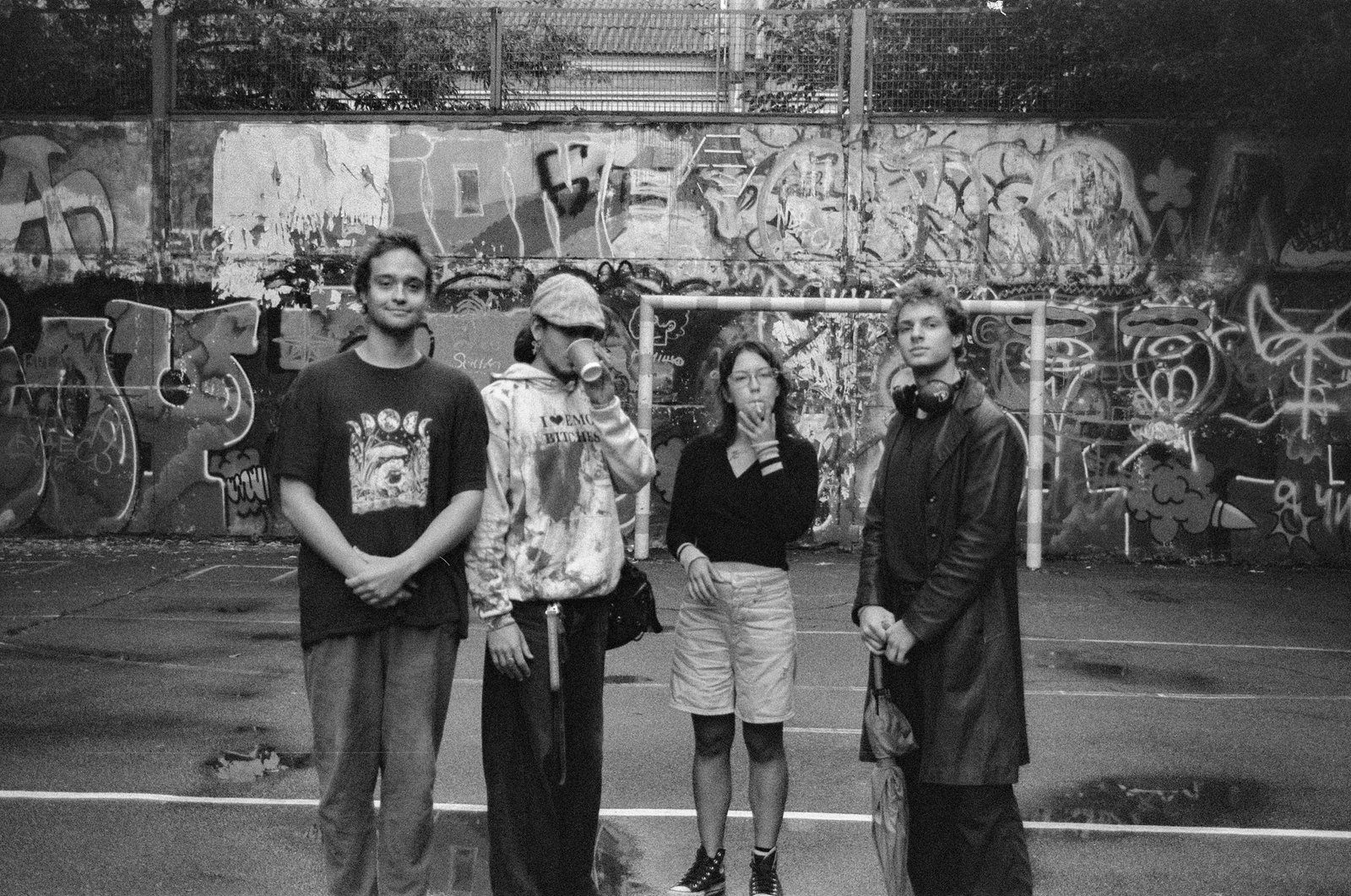
Ukraine’s youth abroad are censoring what they say to those still at home. Photo: Illia Horokhovsky/Unsplash


				This article first appeared in the Winter 2025 issue of Index on Censorship, Gen Z is revolting: Why the world’s youth will not be silenced, published on 18 December 2025.
For Ukraine’s Gen Z, the war has created two kinds of silence: one under sirens and the other under guilt.
Those who stayed live through air raid alerts and numb routine; those who left watch from abroad – scrolling through updates, unsure what to say to the people they love back home. Both carry their version of survival, and both are having to learn to speak to each other again.
In Dnipro, Dasha Buldenko, 19, says she has grown used to fear.
“You get used to the sirens, you get used to the explosions. You stop feeling anything,” she tells me. “We live in totally different worlds now.”
For her, life has narrowed to a quiet persistence: staying, coping and enduring without expecting understanding from those who left Ukraine.
“People who moved abroad forget where they came from,” she says, frustrated by what she calls the “pity” tone of returning friends.
“They see a different world, different opportunities. We don’t have those because of war.”
Mark Neshta, a 21-year-old student at the University of Essex in the UK, describes another kind of distance: the one between empathy and experience.
“You just can’t truly understand how it feels,” he admits. “At the beginning, I was deeply depressed that my country was going through such horror while I was sitting safely 1,000km away.”
He calls it “a strange cognitive dissonance” when “you’re physically abroad but all you care about, all you live by, is news from Ukraine. You consume it only through the internet or through conversations with loved ones who stayed”.
Over time, that guilt has turned into a determination to define himself more clearly. Living abroad, he says, has made him think about what it means to represent Ukraine.
“When people ask where I’m from, I want them to see more than war, to see culture, history, identity.”
He even switched to speaking Ukrainian, though he grew up speaking Russian. “I don’t think living abroad is what caused that,” he says. “It was the war itself.”
Both voices show the same wound from opposite sides.
Those inside Ukraine hide their pain behind fatigue. Those outside hide their guilt behind activism or composure. When they talk, it is not politics that divides them but the need to censor emotion, to sound strong, to sound grateful, to avoid hurting each other with what the other cannot understand.
What does that do to identity? For Dasha, being Ukrainian “just is”.
She says: “We are all Ukrainians; we stand for our own, regardless of language barriers.”
For her, it is a fact of staying and surviving. For Mark, it is something to articulate and explain. One holds on by living it, the other by translating it.
In the end, both sides are searching for the same thing: to be understood.
“People just need to actually listen to each other,” Dasha says.


				READ MORE
Share
Facebook Twitter Pinterest Email Copy Link

Listen to the article

0:00
0:00

Key Takeaways

Playback Speed

Select a Voice

This article first appeared in the Winter 2025 issue of Index on Censorship, Gen Z is revolting: Why the world’s youth will not be silenced, published on 18 December 2025.

For Ukraine’s Gen Z, the war has created two kinds of silence: one under sirens and the other under guilt.

Those who stayed live through air raid alerts and numb routine; those who left watch from abroad – scrolling through updates, unsure what to say to the people they love back home. Both carry their version of survival, and both are having to learn to speak to each other again.

In Dnipro, Dasha Buldenko, 19, says she has grown used to fear.

“You get used to the sirens, you get used to the explosions. You stop feeling anything,” she tells me. “We live in totally different worlds now.”

For her, life has narrowed to a quiet persistence: staying, coping and enduring without expecting understanding from those who left Ukraine.

“People who moved abroad forget where they came from,” she says, frustrated by what she calls the “pity” tone of returning friends.

“They see a different world, different opportunities. We don’t have those because of war.”

Mark Neshta, a 21-year-old student at the University of Essex in the UK, describes another kind of distance: the one between empathy and experience.

“You just can’t truly understand how it feels,” he admits. “At the beginning, I was deeply depressed that my country was going through such horror while I was sitting safely 1,000km away.”

He calls it “a strange cognitive dissonance” when “you’re physically abroad but all you care about, all you live by, is news from Ukraine. You consume it only through the internet or through conversations with loved ones who stayed”.

Over time, that guilt has turned into a determination to define himself more clearly. Living abroad, he says, has made him think about what it means to represent Ukraine.

“When people ask where I’m from, I want them to see more than war, to see culture, history, identity.”

He even switched to speaking Ukrainian, though he grew up speaking Russian. “I don’t think living abroad is what caused that,” he says. “It was the war itself.”

Both voices show the same wound from opposite sides.

Those inside Ukraine hide their pain behind fatigue. Those outside hide their guilt behind activism or composure. When they talk, it is not politics that divides them but the need to censor emotion, to sound strong, to sound grateful, to avoid hurting each other with what the other cannot understand.

What does that do to identity? For Dasha, being Ukrainian “just is”.

She says: “We are all Ukrainians; we stand for our own, regardless of language barriers.”

For her, it is a fact of staying and surviving. For Mark, it is something to articulate and explain. One holds on by living it, the other by translating it.

In the end, both sides are searching for the same thing: to be understood.

“People just need to actually listen to each other,” Dasha says.

Read the full article here

Fact Checker

Verify the accuracy of this article using AI-powered analysis and real-time sources.

Get Your Fact Check Report

Enter your email to receive detailed fact-checking analysis

5 free reports remaining

Continue with Full Access

You've used your 5 free reports. Sign up for unlimited access!

Already have an account? Sign in here

Share. Facebook Twitter Pinterest LinkedIn Tumblr Email Telegram Copy Link
News Room
  • Website
  • Facebook
  • X (Twitter)
  • Instagram
  • LinkedIn

The FSNN News Room is the voice of our in-house journalists, editors, and researchers. We deliver timely, unbiased reporting at the crossroads of finance, cryptocurrency, and global politics, providing clear, fact-driven analysis free from agendas.

Related Articles

Global Free Speech

CPJ joins call for Turkey to repeal disinformation law for its use against journalists

8 hours ago
Global Free Speech

Belarus frees journalist Andrzej Poczobut 

9 hours ago
Global Free Speech

Tunisia rearrests journalist Zied el-Heni, who launches hunger strike

15 hours ago
Global Free Speech

Maldives police raid Adhadhu newsroom, impose travel bans on editor and CEO

16 hours ago
Global Free Speech

CPJ demands transparency as German reporter confirmed detained in Syria

1 day ago
Global Free Speech

Myanmar junta denies journalist Sai Zaw Thaike medical care, adding to pattern of prison abuse

2 days ago
Add A Comment

Comments are closed.

Editors Picks

Why Israel Can’t Live With a Nuclear Iran: Gadi Taub

37 minutes ago

A crypto coalition releases technical proposal to save Aave users from a massive token exploit

41 minutes ago

Bitcoin Drops Under $76K As Investors Weigh Regulatory, AI Risk

42 minutes ago

OpenClaw Insider Builds the Enterprise Safety Layer the Project Never Shipped

46 minutes ago
Latest Posts

Defending the White House Ballroom, the DOJ Files a Trump Tantrum Masquerading As a Motion

1 hour ago

Microsoft says legacy banks are hitting a breaking point as AI takes over the heavy lifting

2 hours ago

Galaxy Posts $216M Q1 Loss as Helios Expansion Advances

2 hours ago

Subscribe to News

Get the latest news and updates directly to your inbox.

At FSNN – Free Speech News Network, we deliver unfiltered reporting and in-depth analysis on the stories that matter most. From breaking headlines to global perspectives, our mission is to keep you informed, empowered, and connected.

FSNN.net is owned and operated by GlobalBoost Media
, an independent media organization dedicated to advancing transparency, free expression, and factual journalism across the digital landscape.

Facebook X (Twitter) Discord Telegram
Latest News

Historic Taking

16 minutes ago

Why Israel Can’t Live With a Nuclear Iran: Gadi Taub

37 minutes ago

A crypto coalition releases technical proposal to save Aave users from a massive token exploit

41 minutes ago

Subscribe to Updates

Get the latest news and updates directly to your inbox.

© 2026 GlobalBoost Media. All Rights Reserved.
  • Privacy Policy
  • Terms of Service
  • Our Authors
  • Contact

Type above and press Enter to search. Press Esc to cancel.

🍪

Cookies

We and our selected partners wish to use cookies to collect information about you for functional purposes and statistical marketing. You may not give us your consent for certain purposes by selecting an option and you can withdraw your consent at any time via the cookie icon.

Cookie Preferences

Manage Cookies

Cookies are small text that can be used by websites to make the user experience more efficient. The law states that we may store cookies on your device if they are strictly necessary for the operation of this site. For all other types of cookies, we need your permission. This site uses various types of cookies. Some cookies are placed by third party services that appear on our pages.

Your permission applies to the following domains:

  • https://fsnn.net
Necessary
Necessary cookies help make a website usable by enabling basic functions like page navigation and access to secure areas of the website. The website cannot function properly without these cookies.
Statistic
Statistic cookies help website owners to understand how visitors interact with websites by collecting and reporting information anonymously.
Preferences
Preference cookies enable a website to remember information that changes the way the website behaves or looks, like your preferred language or the region that you are in.
Marketing
Marketing cookies are used to track visitors across websites. The intention is to display ads that are relevant and engaging for the individual user and thereby more valuable for publishers and third party advertisers.