

 Freedom Index
Listen to the article
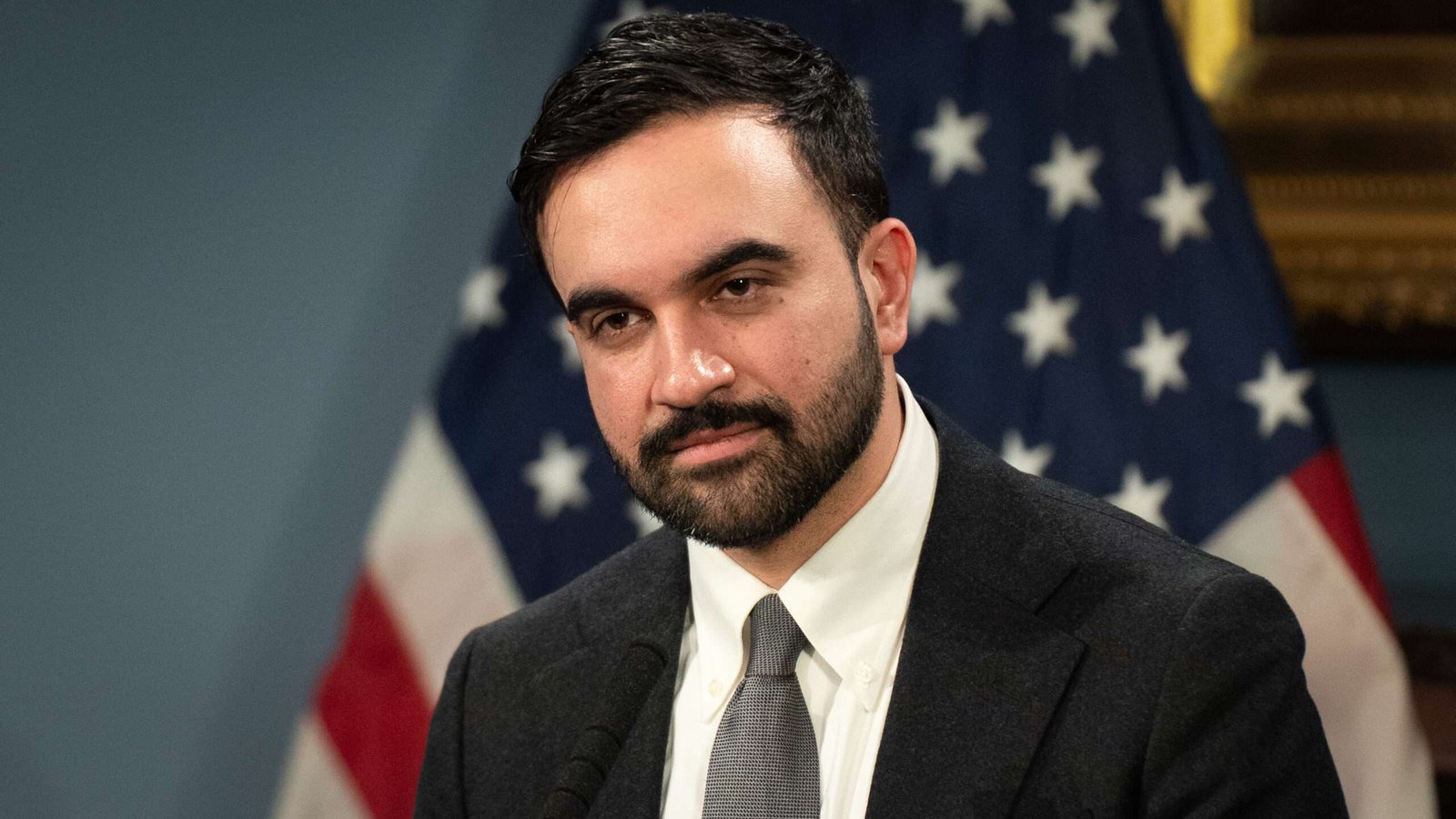
New York Mayor Zohran Mamdani is barely a month into the job, and he’s already aggressively seeking to follow through on his campaign pledge to crack down on the gig economy. In recent weeks, his administration has launched several high-profile initiatives against gig companies, seeking to portray them as greedy corporations out to fleece earnest workers.
But behind the flashy press releases and dramatic saber rattling, the reality is that New York City’s own past policies are to blame for much of the gig economy drama in the Big Apple. And worse yet, it’s every day New Yorkers who will likely suffer most from this regulatory onslaught.
From day one on the job, the Mamdani administration has made its anti-gig bent clear. On inauguration day, Mamdani’s pick to head the city’s Department of Consumer and Worker Protection (DCWP), Samuel Levine, was already signaling to the press the coming gig economy crackdown. Even prior to Mamdani’s official inauguration, Levine’s appointment to head DCWP was accompanied by language accusing gig companies of misclassifying workers as independent contractors instead of full-scale employees.
Before serving in the Mamdani administration, Levine worked at the Federal Trade Commission during the Biden administration, where he was known as a key acolyte to Lina Khan during her notorious anti-business reign at the agency. Now, Levine is running point for Mamdani’s anti-gig agenda across New York City.
Two weeks into Mamdani’s tenure, the mayor, joined by Levine and Deputy Mayor for Economic Justice Julie Su—another former Biden official, who served as the acting secretary of labor during the 46th president’s term—issued a statement declaring a “New Era of Accountability” for gig companies.
The declaration coincided with a DCWP report alleging that gig companies like Uber and DoorDash had “engineered design tricks” in their in-app platforms to reduce worker tips by $550 million. These “design tricks” included moving in-app tipping prompts for food delivery, presenting the option for tipping after an order was complete, rather than before.
This in-app tip reshuffling came in reaction to NYC’s prior 2023 decision to impose a minimum wage for food delivery drivers in the city, which sent food delivery costs soaring. The companies appear to have changed the timing of the tip option as a way to reduce the sticker shock for consumers when placing orders.
The New York City Council responded last year by passing a law mandating that gig companies place their tipping prompts before an order was placed, rather than after. Last month, after news arrived that several lawsuits by gig companies seeking to enjoin these (and other) gig-related rules were rejected by federal judges, Levine’s DCWP issued a statement reiterating its plan to “vigorously enforce” the city’s minimum wage and tipping rules for gig workers.
The city also launched its own lawsuit against the gig company Motoclick, which it argues “blatantly ignored” the minimum wage law and “stole directly from workers’ paychecks.” While it’s impossible to evaluate the claims against Motoclick at this early juncture in the legal proceedings, Mamdani’s team also recently announced a $5 million settlement with gig platforms UberEats, Fantuan, and Hungry Panda for violating the minimum wage law.
The UberEats settlement received the most attention since it involved the highest amount of settlement money. But while the top-line numbers received all the press, little attention has been paid to the fine print: Even the city noted that UberEats was “mostly compliant” with the minimum wage law and “incurred the wage debt only in weeks where workers had a delivery canceled” (and therefore the workers involved failed to receive the appropriate compensation from Uber).
Uber clarified that DCWP had originally flagged this pay shortfall to the company in August 2024, one and a half years before Mamdani took office, and Uber immediately agreed at the time to take corrective action to fix the issue and pledged “to pay more than the amount owed” in response.
This nuance didn’t stop Levine from triumphantly declaring: “The era of giant corporations juicing profits by underpaying workers is over.”
Also being lost in all the media fanfare over Mamdani’s gig war is the likely cost to every day New Yorkers. Evidence has repeatedly shown that anti-gig regulations always end up resulting in higher costs for consumers. Just recently Instacart instituted a $5.99 regulatory response fee due to a recent extension of NYC’s minimum wage law to grocery deliverers.
It’s also unclear how much the regulatory onslaught even helps gig workers. Tips plummeted by nearly 50 percent in the wake of the minimum wage law’s passage in NYC, and delivery drivers in Seattle, which implemented its own minimum wage for gig-based delivery, failed to see any sustained higher take-home pay from the city’s minimum wage law.
These anti-gig policies have also resulted in more gig companies resorting to “arranged scheduling” models, in which the number of delivery drivers that can be active on the platform at any one time is restricted in order to control labor costs. This locks would-be drivers out of the market altogether and takes away a potential money-earning opportunity that these workers are depending on.
Mamdani’s war on gig is getting a lot of press. But beyond the flashy headlines, it’s clear that both workers and consumers are likely to suffer.
Read the full article here
Fact Checker
Verify the accuracy of this article using AI-powered analysis and real-time sources.