Close Menu
FSNN | Free Speech News NetworkFSNN | Free Speech News Network
  • Home
  • News
    • Politics
    • Legal & Courts
    • Tech & Big Tech
    • Campus & Education
    • Media & Culture
    • Global Free Speech
  • Opinions
    • Debates
  • Video/Live
  • Community
  • Freedom Index
  • About
    • Mission
    • Contact
    • Support
Trending

Fifth Circuit Comments on District Judge’s Discussion of Using AI in Judicial Decisionmaking

24 minutes ago

SBET executives urge to look beyond recent price action

41 minutes ago

Federal Reserve Paper Proposes New Risk Weighting Model for Crypto

47 minutes ago
Facebook X (Twitter) Instagram
Facebook X (Twitter) Discord Telegram
FSNN | Free Speech News NetworkFSNN | Free Speech News Network
Market Data Newsletter
Friday, February 13
  • Home
  • News
    • Politics
    • Legal & Courts
    • Tech & Big Tech
    • Campus & Education
    • Media & Culture
    • Global Free Speech
  • Opinions
    • Debates
  • Video/Live
  • Community
  • Freedom Index
  • About
    • Mission
    • Contact
    • Support
FSNN | Free Speech News NetworkFSNN | Free Speech News Network
Home»News»Media & Culture»Do Construction Workers Have Fourth Amendment Rights? A Federal Court Will Decide.
Media & Culture

Do Construction Workers Have Fourth Amendment Rights? A Federal Court Will Decide.

News RoomBy News Room8 hours agoNo Comments4 Mins Read971 Views
Share Facebook Twitter Pinterest Copy Link LinkedIn Tumblr Email VKontakte Telegram
Do Construction Workers Have Fourth Amendment Rights? A Federal Court Will Decide.
Share
Facebook Twitter Pinterest Email Copy Link

Listen to the article

0:00
0:00

Key Takeaways

Playback Speed

Select a Voice

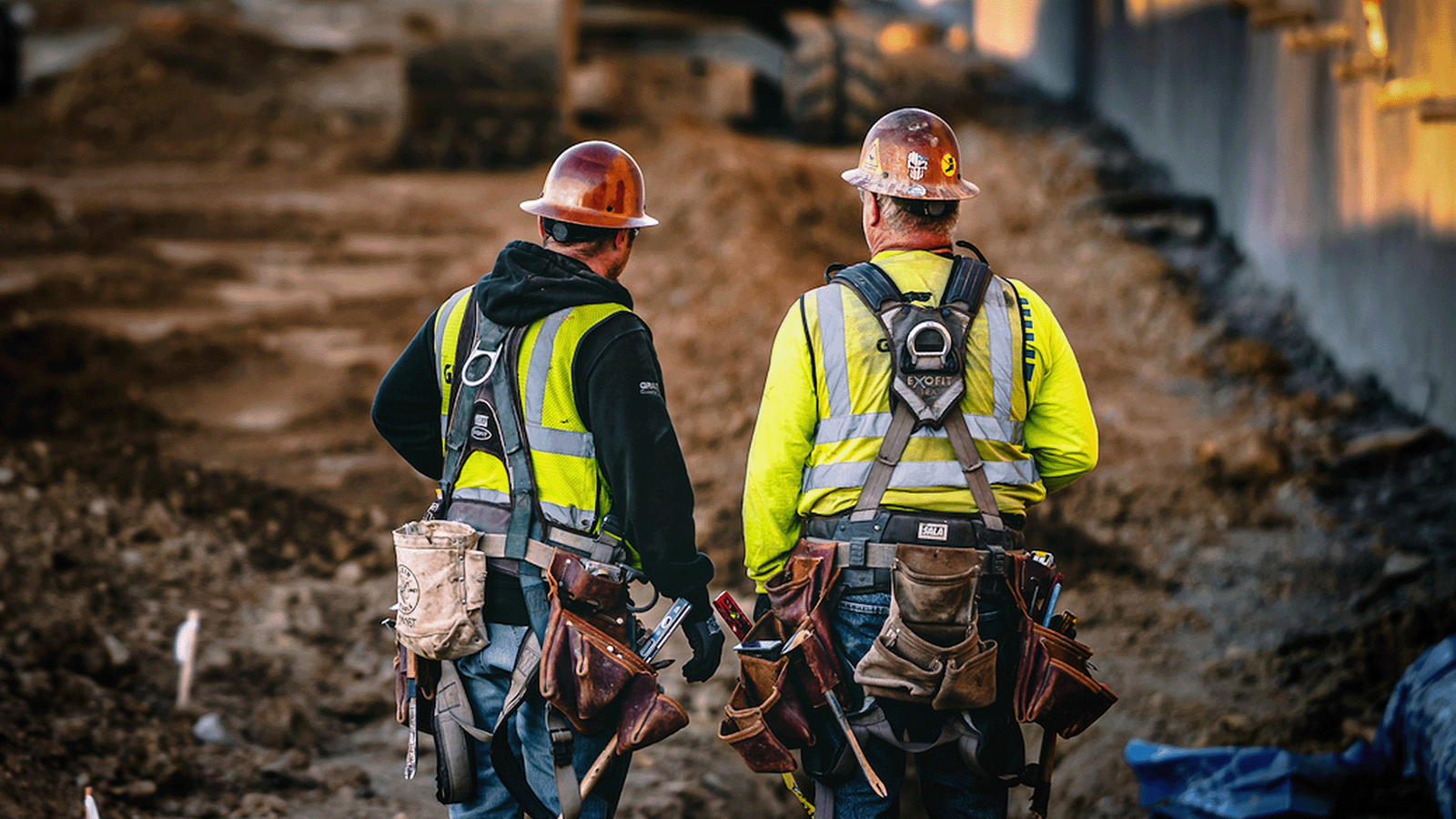
Immigration agents have intensified raids on construction sites across the country as the Trump administration pursues mass deportations. The raids often involve federal agents entering worksites without warrants, chasing workers, and detaining them (including U.S. citizens) for identity and immigration status checks. Now, the federal government is defending some of those tactics in court and asking a judge to throw out a lawsuit challenging them. In one such defense, the Trump administration basically argued that Fourth Amendment rights do not apply here: An attorney representing the Department of Homeland Security (DHS) argued that federal agents don’t need warrants to enter construction sites, in a motion filed on January 29 in the Southern District of Alabama.

The case stems from two separate encounters between Leo Garcia Venegas—a U.S. citizen and construction worker—and immigration agents at Alabama construction sites in May and June 2025. Both times, Venegas was detained (once violently) while at work on private property. “I got arrested twice for being a Latino working in construction,” Venegas said in a video about his case produced by the Institute for Justice, a public-interest law firm that is representing him. DHS Assistant Secretary for Public Affairs Tricia McLaughlin told Reason in October that “allegations that DHS law enforcement officers engage in ‘racial profiling’ are disgusting, reckless, and categorically FALSE.”

In his complaint, Venegas argued that the federal government has a policy of entering worksites without judicial warrants. The government is contesting the existence of the policy and Venegas’ ability to challenge warrantless entries. In the government’s motion, Assistant U.S. Attorney Victoria Todd didn’t deny that federal agents entered the construction sites without a warrant but claimed that Venegas had no “reasonable expectation of privacy” while working at sites owned by homebuilders D.R. Horton and Lennar. Therefore, Todd argued, Venegas has no standing to challenge the entries.

“Plaintiff does not have a recognized reasonable expectation of privacy while at work on multiple worksites—owned or controlled by [the homebuilders]—for relatively short times for the single express purpose of laying concrete,” Todd wrote. Because Venegas worked temporarily on sites he didn’t own, the motion argued, he had no constitutional protection against government entry and had no power to exclude anybody from the property, even at his own workplace. To have Fourth Amendment standing, Venegas would need an “unrestricted right of occupancy and control of the premises,” per Todd.

The motion also invokes the open fields doctrine, a legal principle allowing law enforcement to enter some outdoor spaces without a warrant.

Josh Windham, a senior attorney at the Institute for Justice who is representing Venegas, says that the government’s argument amounts to saying that nobody can claim Fourth Amendment rights in a construction site unless they are the owner—which he calls “laughably preposterous.”

In construction sites, “there’s going to be [no trespassing] signs up, there’s going to be black tarp fencing, and there’s going to be machinery. Any rational person understands not only that you shouldn’t trespass, but that it’s extremely dangerous for you to wander onto an active construction site,” says Windham. “The notion that people think of these as open spaces, that government officials and private individuals should be able to go whenever they please, is silly.” The second time Venegas was detained, Windham adds, he was putting the finishing touches on a house that was almost fully constructed, but agents wandered in anyway.

Windham claims that if the owner of the site gives a worker possession of the property, even temporarily, then it is under exclusive control of the worker for the duration of the job, and the worker can exclude others. Venegas, “while he’s doing work on the sites with his crew, has not only the right but the responsibility to keep [extraneous] people off of these sites,” explains Windham. He has “lawful control over these pieces of property while he’s working on them, which we argue is sufficient to have Fourth Amendment rights in them.”

The government’s claim that there are no Fourth Amendment protections in construction sites means that federal agents could wander into any construction site without a warrant. In the context of the Trump administration’s mass deportation agenda, Windham argues that the practical effect is that “Latino construction workers don’t have any Fourth Amendment rights while at work.” With over 8.3 million construction workers in America as of January, the implications could be sweeping.

Read the full article here

Fact Checker

Verify the accuracy of this article using AI-powered analysis and real-time sources.

Get Your Fact Check Report

Enter your email to receive detailed fact-checking analysis

5 free reports remaining

Continue with Full Access

You've used your 5 free reports. Sign up for unlimited access!

Already have an account? Sign in here

#Journalism #MediaAndPolitics #PoliticalDebate #PressFreedom #PublicDiscourse
Share. Facebook Twitter Pinterest LinkedIn Tumblr Email Telegram Copy Link
News Room
  • Website
  • Facebook
  • X (Twitter)
  • Instagram
  • LinkedIn

The FSNN News Room is the voice of our in-house journalists, editors, and researchers. We deliver timely, unbiased reporting at the crossroads of finance, cryptocurrency, and global politics, providing clear, fact-driven analysis free from agendas.

Related Articles

Media & Culture

Fifth Circuit Comments on District Judge’s Discussion of Using AI in Judicial Decisionmaking

24 minutes ago
Cryptocurrency & Free Speech Finance

Crypto Flows to Suspected Human Trafficking Services Jump 85% in 2025: Chainalysis

52 minutes ago
Media & Culture

Ctrl-Alt-Speech: Panic! At The Discord

1 hour ago
Media & Culture

Judge Preliminarily Blocks Military Disciplinary Measures Against Senator (and Retired Navy Captain) Mark Kelly

1 hour ago
Cryptocurrency & Free Speech Finance

That ‘Summarize With AI’ Button May Be Brainwashing Your Chatbot, Says Microsoft

2 hours ago
Media & Culture

Epstein Files Drama, Bad Bunny Drama, and More A Knight of the Seven Kingdoms Drama

2 hours ago
Add A Comment
Leave A Reply Cancel Reply

Editors Picks

SBET executives urge to look beyond recent price action

41 minutes ago

Federal Reserve Paper Proposes New Risk Weighting Model for Crypto

47 minutes ago

Crypto Flows to Suspected Human Trafficking Services Jump 85% in 2025: Chainalysis

52 minutes ago

Ctrl-Alt-Speech: Panic! At The Discord

1 hour ago
Latest Posts

Judge Preliminarily Blocks Military Disciplinary Measures Against Senator (and Retired Navy Captain) Mark Kelly

1 hour ago

BTC falls back to $65,000 as software sector slides 3%

2 hours ago

Coinbase Misses Expectations With $667M Loss in Q4

2 hours ago

Subscribe to News

Get the latest news and updates directly to your inbox.

At FSNN – Free Speech News Network, we deliver unfiltered reporting and in-depth analysis on the stories that matter most. From breaking headlines to global perspectives, our mission is to keep you informed, empowered, and connected.

FSNN.net is owned and operated by GlobalBoost Media
, an independent media organization dedicated to advancing transparency, free expression, and factual journalism across the digital landscape.

Facebook X (Twitter) Discord Telegram
Latest News

Fifth Circuit Comments on District Judge’s Discussion of Using AI in Judicial Decisionmaking

24 minutes ago

SBET executives urge to look beyond recent price action

41 minutes ago

Federal Reserve Paper Proposes New Risk Weighting Model for Crypto

47 minutes ago

Subscribe to Updates

Get the latest news and updates directly to your inbox.

© 2026 GlobalBoost Media. All Rights Reserved.
  • Privacy Policy
  • Terms of Service
  • Our Authors
  • Contact

Type above and press Enter to search. Press Esc to cancel.

🍪

Cookies

We and our selected partners wish to use cookies to collect information about you for functional purposes and statistical marketing. You may not give us your consent for certain purposes by selecting an option and you can withdraw your consent at any time via the cookie icon.

Cookie Preferences

Manage Cookies

Cookies are small text that can be used by websites to make the user experience more efficient. The law states that we may store cookies on your device if they are strictly necessary for the operation of this site. For all other types of cookies, we need your permission. This site uses various types of cookies. Some cookies are placed by third party services that appear on our pages.

Your permission applies to the following domains:

  • https://fsnn.net
Necessary
Necessary cookies help make a website usable by enabling basic functions like page navigation and access to secure areas of the website. The website cannot function properly without these cookies.
Statistic
Statistic cookies help website owners to understand how visitors interact with websites by collecting and reporting information anonymously.
Preferences
Preference cookies enable a website to remember information that changes the way the website behaves or looks, like your preferred language or the region that you are in.
Marketing
Marketing cookies are used to track visitors across websites. The intention is to display ads that are relevant and engaging for the individual user and thereby more valuable for publishers and third party advertisers.