Close Menu
FSNN | Free Speech News NetworkFSNN | Free Speech News Network
  • Home
  • News
    • Politics
    • Legal & Courts
    • Tech & Big Tech
    • Campus & Education
    • Media & Culture
    • Global Free Speech
  • Opinions
    • Debates
  • Video/Live
  • Community
  • Freedom Index
  • About
    • Mission
    • Contact
    • Support
Trending

Lawsuits Targeting Social Media Are an Attack on Free Speech

29 minutes ago

Institutions’ bitcoin positioning lacks conviction; CPI, Iran talks might help

49 minutes ago

Covenant AI Leaves Bittensor Amid Decentralization Concerns, TAO Drops 18%

52 minutes ago
Facebook X (Twitter) Instagram
Facebook X (Twitter) Discord Telegram
FSNN | Free Speech News NetworkFSNN | Free Speech News Network
Market Data Newsletter
Friday, April 10
  • Home
  • News
    • Politics
    • Legal & Courts
    • Tech & Big Tech
    • Campus & Education
    • Media & Culture
    • Global Free Speech
  • Opinions
    • Debates
  • Video/Live
  • Community
  • Freedom Index
  • About
    • Mission
    • Contact
    • Support
FSNN | Free Speech News NetworkFSNN | Free Speech News Network
Home»Cryptocurrency & Free Speech Finance»China Formalizes Ban on Yuan Stablecoins, RWA Tokenization
Cryptocurrency & Free Speech Finance

China Formalizes Ban on Yuan Stablecoins, RWA Tokenization

News RoomBy News Room2 months agoNo Comments4 Mins Read139 Views
Share Facebook Twitter Pinterest Copy Link LinkedIn Tumblr Email VKontakte Telegram
China Formalizes Ban on Yuan Stablecoins, RWA Tokenization
Share
Facebook Twitter Pinterest Email Copy Link

Listen to the article

0:00
0:00

Key Takeaways

Playback Speed

Select a Voice

In brief

  • China’s central bank and regulators have issued a notice that bans unapproved issuance of renminbi-pegged stablecoins, including those offshore.
  • Most real-world asset tokenization is now classified as illegal outside approved infrastructure.
  • The move follows earlier crackdowns on speculative crypto, RWA tokenization, and Hong Kong-linked stablecoin plans.

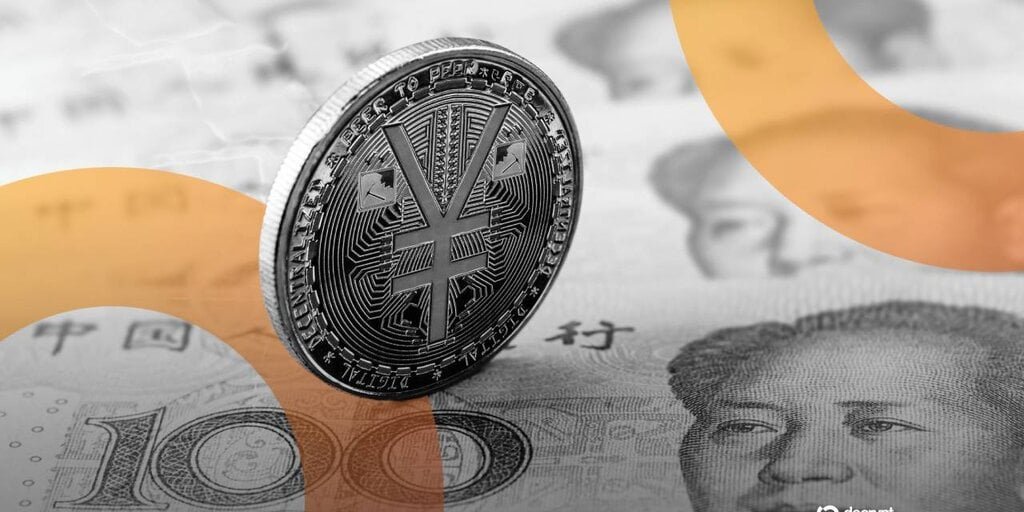
China’s central bank and nine other regulators have moved to lock in a sweeping crackdown on crypto-related activity, issuing a joint notice on Friday that bans unapproved yuan-linked stablecoin issuance, classifying most real-world asset tokenization as illegal.

The notice frames virtual currencies, stablecoins, and tokenized assets as sources of systemic financial risk, reaffirming that cryptocurrencies lack legal tender status and that related trading, issuance, and intermediary services constitute illegal financial activity unless explicitly approved by authorities.

Speculative activities in relation to virtual currencies and real-world asset tokenization have been “disrupting economic and financial order and endangering the property safety of the people,” a translation of the note reads.

To maintain “national security and social stability,” the central bank and regulators involved have affirmed their stance that virtual currencies have no legal status equivalent to fiat money and “should not and cannot be used as currency for circulation in the market.”

They add that “virtual currency-related business activities constitute illegal financial activities,” and that exchange services, trading, token issuance, and crypto-linked financial products are “strictly prohibited across the board and shall be resolutely banned according to law.”

Any unapproved overseas issuance of renminbi-linked stablecoins have also been barred.

The move by Chinese regulators appears to be aimed at “thwarting any private market activity that could impact the stability and control of their money supply,” Logan Lemberger, Head of Global Financial Partnerships at MassPay, told Decrypt. “Activity outside their control is outside their approval.”

Unlicensed RWA tokenization banned

Separately, the notice defines real-world asset tokenization as the use of cryptographic and distributed ledger technologies to turn asset ownership or income rights into tokens for issuance and trading.

Such activities, including related intermediary or technical services, are to be treated as illegal financial activity unless explicitly approved and carried out within designated financial infrastructure, the Chinese authorities said.

Decrypt has reached out to the People’s Bank of China for comment and will update this story should it respond.

China’s crypto crackdown

Friday’s notice comes as Chinese authorities have signaled a renewed crackdown on speculative crypto trading, warning late last year that a rebound in offshore platforms and token activity was drawing domestic participation despite existing bans.

The bans appear to be geared towards guarding the digital yuan against “private offshore competition that could facilitate capital flight and undermine monetary sovereignty,” Jamie Green, COO at Superset, a unified liquidity execution layer for stablecoins, told Decrypt.

“By demanding prior approval for any renminbi-linked tokens, Beijing is ensuring that the state remains the gatekeeper of the digital renminbi’s footprint globally,” he added.

The notice, Green said, operates as an example of “regulatory enclosure” in which a state authority takes “a nascent industry” and forces it “into a state-approved bottle.”

Reclassifying RWA tokenization as “illegal financial activity” means regulators are forcing Chinese firms to either “abandon decentralized RWA initiatives entirely, or migrate them to permissioned, state-monitored infrastructure within the mainland,” he explained.

This marks China’s first crypto ban of 2026, adding to a long line of restrictions imposed over the past decade, Christian Ruz, business strategy director at crypto agency Hype, told Decrypt.

“Chinese investors already know how to survive these restrictions and they know their risks of holding renminbi is higher than holding U.S.-pegged stablecoins,” Ruz said, adding that he doesn’t anticipate much impact from the move given that most stablecoin and RWA firms are global in scale.

Chinese regulators previously directed brokers and financial institutions to suspend real-world asset tokenization activities linked to Hong Kong, citing regulatory concerns. The move affected tokenization projects tied to mainland interests despite Hong Kong’s separate licensing regime.

Authorities have also intervened in plans by major technology firms to pursue stablecoin projects connected to China through Hong Kong. Those initiatives were paused following regulatory guidance that limited private involvement in stablecoin issuance tied to the renminbi.

Daily Debrief Newsletter

Start every day with the top news stories right now, plus original features, a podcast, videos and more.


Read the full article here

Fact Checker

Verify the accuracy of this article using AI-powered analysis and real-time sources.

Get Your Fact Check Report

Enter your email to receive detailed fact-checking analysis

5 free reports remaining

Continue with Full Access

You've used your 5 free reports. Sign up for unlimited access!

Already have an account? Sign in here

Share. Facebook Twitter Pinterest LinkedIn Tumblr Email Telegram Copy Link
News Room
  • Website
  • Facebook
  • X (Twitter)
  • Instagram
  • LinkedIn

The FSNN News Room is the voice of our in-house journalists, editors, and researchers. We deliver timely, unbiased reporting at the crossroads of finance, cryptocurrency, and global politics, providing clear, fact-driven analysis free from agendas.

Related Articles

Media & Culture

Lawsuits Targeting Social Media Are an Attack on Free Speech

29 minutes ago
Cryptocurrency & Free Speech Finance

Institutions’ bitcoin positioning lacks conviction; CPI, Iran talks might help

49 minutes ago
Cryptocurrency & Free Speech Finance

Covenant AI Leaves Bittensor Amid Decentralization Concerns, TAO Drops 18%

52 minutes ago
Media & Culture

Review: A Cognitive Neuroscientist’s Take on How AI Models Think

1 hour ago
Cryptocurrency & Free Speech Finance

XRP adjacent Flare proposes protocol-level MEV capture and 40% inflation cut

2 hours ago
Cryptocurrency & Free Speech Finance

The Fake Website That Triggered an Arrest in the CoinDCX Case

2 hours ago
Add A Comment

Comments are closed.

Editors Picks

Institutions’ bitcoin positioning lacks conviction; CPI, Iran talks might help

49 minutes ago

Covenant AI Leaves Bittensor Amid Decentralization Concerns, TAO Drops 18%

52 minutes ago

Review: A Cognitive Neuroscientist’s Take on How AI Models Think

1 hour ago

XRP adjacent Flare proposes protocol-level MEV capture and 40% inflation cut

2 hours ago
Latest Posts

The Fake Website That Triggered an Arrest in the CoinDCX Case

2 hours ago

Hong Kong awards first stablecoin licenses to HSBC, Standard Chartered-led group

3 hours ago

BlackRock’s IBIT Clocks Biggest BTC ETF Inflow in a Month

3 hours ago

Subscribe to News

Get the latest news and updates directly to your inbox.

At FSNN – Free Speech News Network, we deliver unfiltered reporting and in-depth analysis on the stories that matter most. From breaking headlines to global perspectives, our mission is to keep you informed, empowered, and connected.

FSNN.net is owned and operated by GlobalBoost Media
, an independent media organization dedicated to advancing transparency, free expression, and factual journalism across the digital landscape.

Facebook X (Twitter) Discord Telegram
Latest News

Lawsuits Targeting Social Media Are an Attack on Free Speech

29 minutes ago

Institutions’ bitcoin positioning lacks conviction; CPI, Iran talks might help

49 minutes ago

Covenant AI Leaves Bittensor Amid Decentralization Concerns, TAO Drops 18%

52 minutes ago

Subscribe to Updates

Get the latest news and updates directly to your inbox.

© 2026 GlobalBoost Media. All Rights Reserved.
  • Privacy Policy
  • Terms of Service
  • Our Authors
  • Contact

Type above and press Enter to search. Press Esc to cancel.

🍪

Cookies

We and our selected partners wish to use cookies to collect information about you for functional purposes and statistical marketing. You may not give us your consent for certain purposes by selecting an option and you can withdraw your consent at any time via the cookie icon.

Cookie Preferences

Manage Cookies

Cookies are small text that can be used by websites to make the user experience more efficient. The law states that we may store cookies on your device if they are strictly necessary for the operation of this site. For all other types of cookies, we need your permission. This site uses various types of cookies. Some cookies are placed by third party services that appear on our pages.

Your permission applies to the following domains:

  • https://fsnn.net
Necessary
Necessary cookies help make a website usable by enabling basic functions like page navigation and access to secure areas of the website. The website cannot function properly without these cookies.
Statistic
Statistic cookies help website owners to understand how visitors interact with websites by collecting and reporting information anonymously.
Preferences
Preference cookies enable a website to remember information that changes the way the website behaves or looks, like your preferred language or the region that you are in.
Marketing
Marketing cookies are used to track visitors across websites. The intention is to display ads that are relevant and engaging for the individual user and thereby more valuable for publishers and third party advertisers.