Close Menu
FSNN | Free Speech News NetworkFSNN | Free Speech News Network
  • Home
  • News
    • Politics
    • Legal & Courts
    • Tech & Big Tech
    • Campus & Education
    • Media & Culture
    • Global Free Speech
  • Opinions
    • Debates
  • Video/Live
  • Community
  • Freedom Index
  • About
    • Mission
    • Contact
    • Support
Trending

Happy Opt Out October! Let’s Find Real Alternatives to the Tech Giants

33 minutes ago

Justin Wolfers Recognizes His “Libertarian Friends Were Right” About Government Power

38 minutes ago

LATAM Stablecoin Liquidity May Rely on Few Providers

57 minutes ago
Facebook X (Twitter) Instagram
Facebook X (Twitter) Discord Telegram
FSNN | Free Speech News NetworkFSNN | Free Speech News Network
Market Data Newsletter
Friday, October 2
  • Home
  • News
    • Politics
    • Legal & Courts
    • Tech & Big Tech
    • Campus & Education
    • Media & Culture
    • Global Free Speech
  • Opinions
    • Debates
  • Video/Live
  • Community
  • Freedom Index
  • About
    • Mission
    • Contact
    • Support
FSNN | Free Speech News NetworkFSNN | Free Speech News Network
Home»News»Global Free Speech»Threats, exile, censorship: DRC journalists besieged in year of rebel rule
Global Free Speech

Threats, exile, censorship: DRC journalists besieged in year of rebel rule

News RoomBy News Room8 months agoNo Comments9 Mins Read2 Views
Share Facebook Twitter Pinterest Copy Link LinkedIn Tumblr Email VKontakte Telegram
Threats, exile, censorship: DRC journalists besieged in year of rebel rule
Share
Facebook Twitter Pinterest Email Copy Link

Listen to the article

0:00
0:00

Key Takeaways

Playback Speed

Select a Voice

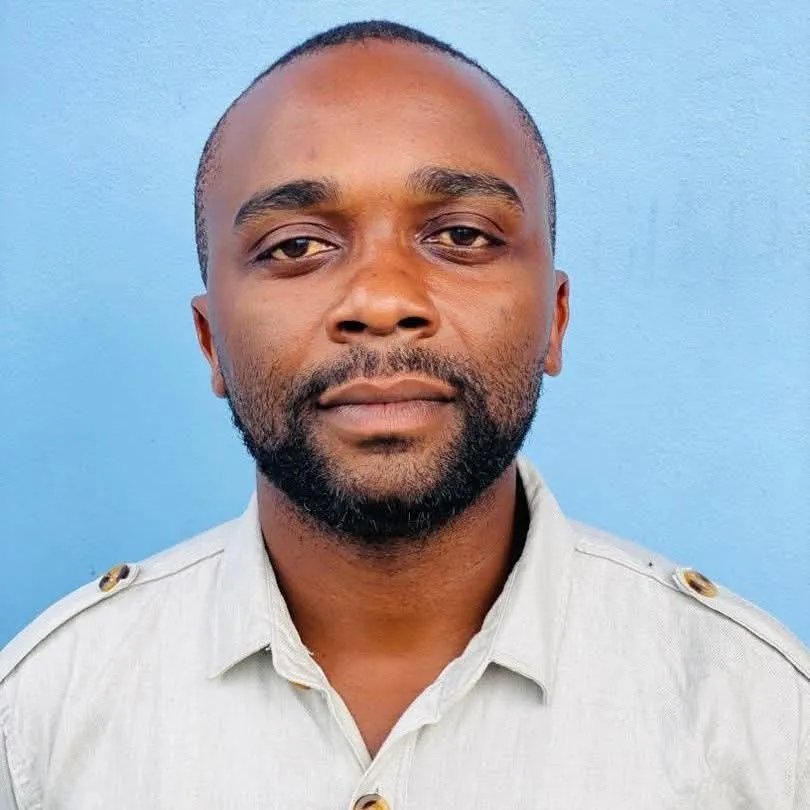
For Congolese journalist Prince Cikala Mihigo, the first day of 2026 brought a brutal reminder of the risks of reporting: rebel soldiers beat and kicked him while questioning him about his work, leaving his face swollen and raw.  

Prince Cikala Mihigo out reporting on the impact of the war on children. (Photo: Courtesy of Prince Cikala Mihigo)

Cikala was assaulted at a checkpoint in the Democratic Republic of the Congo’s eastern city of Bukavu, one of several key locations captured by M23 rebels over the last year.

Cikala was returning from interviewing vulnerable children whose fathers joined the army to fight the M23 and the broader Congo River Alliance (AFC) rebel coalition. The freelance journalist, who contributes to Viory video news agency, told CPJ that the rebels checked his press card and then wanted to search his bag, but he refused.

“A soldier started slapping me for no reason and hurt me,” he said, adding that another officer eventually intervened and allowed him to leave.
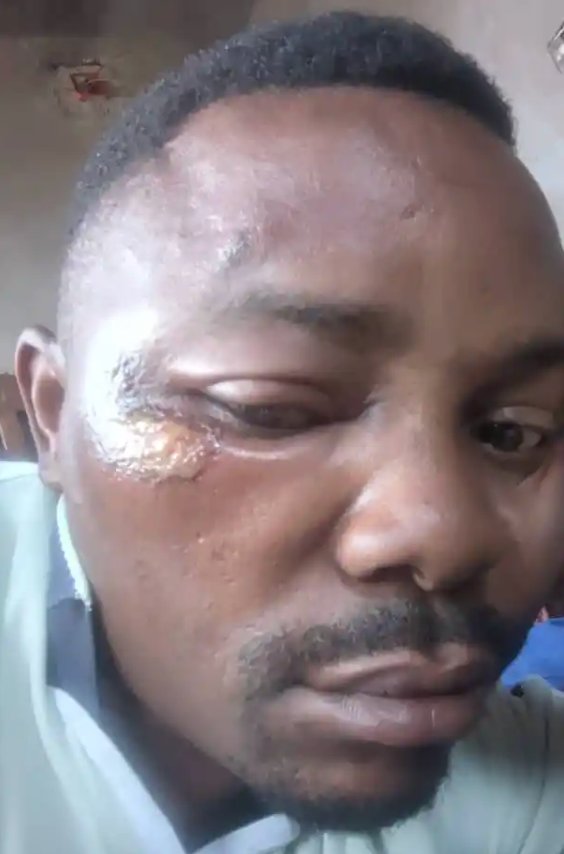
Self-portrait by Congolese journalist Prince Cikala Mihigo
Self-portrait by Cikala after being beaten on January 1.

The DRC’s mineral-rich, eastern region has been unstable since the end of the Rwandan genocide in 1994, when ethnic conflict, combatants, and refugees spilled over into the DRC. It is one of the world’s worst, long-running humanitarian crises.

The escalation in fighting and M23’s rapid, unprecedented gains marked the most significant upheaval for local media in years, with journalists caught between warring parties that share a determination to prevent the press freely publicizing their actions, including long-standing allegations of human rights abuses.

CPJ has seen a surge in journalists’ requests for emergency support, reflecting an increasingly difficult media environment over the last 12 months.

Self-censorship over abuses, killings
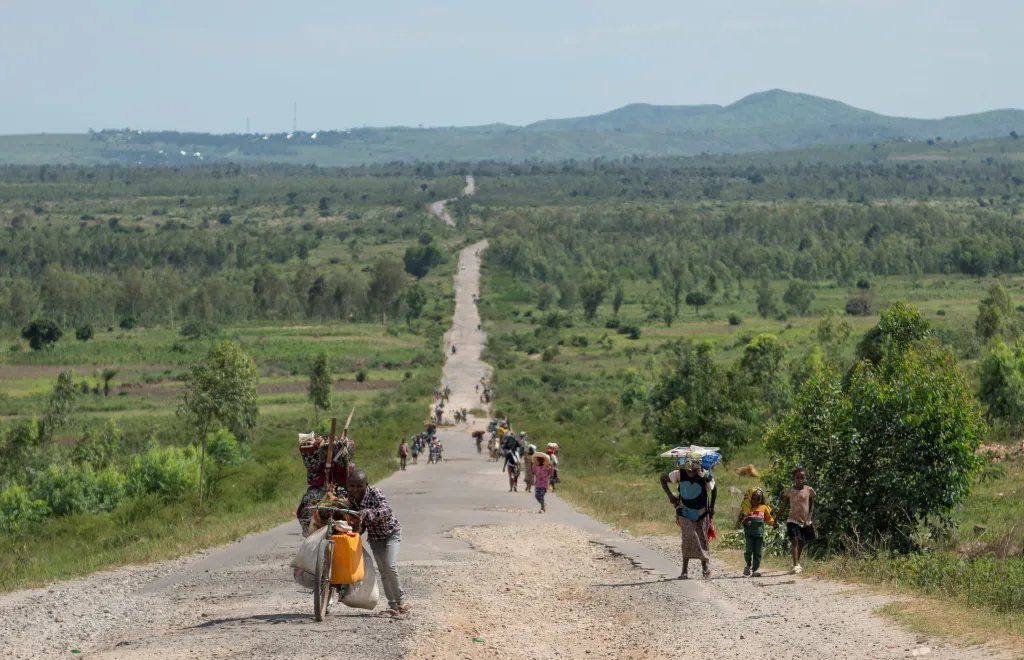
People displaced during renewed clashes between the AFC/M23 and the Congolese army, walk home, north of Uvira, on December 13.
People displaced during clashes between the AFC/M23 and the Congolese army, walk home, north of Uvira, on December 13. (Photo: Reuters)

In interviews, 20 journalists told CPJ that violence, threats, detention, and censorship had worsened since the rebel advance began a year ago, forcing many to flee within the DRC and abroad.

“We are unable to practice our profession freely,” one reporter said from exile in a country where at least half a dozen journalists live in refugee camps and temporary hotels.

“Some journalists suffer from health problems linked to stress, the trauma of exile, and difficult living conditions … We fled the DRC because of the M23/AFC rebels who threatened to kill us, and we faced intimidation and risks related to our journalistic work,” the reporter added.

For those who remain, self-censorship has become widespread.

“We prefer not to disseminate information related to human rights and security violations,” a journalist in Uvira, South Kivu province’s second largest city, which was occupied by the M23 on December 10 and retaken by the Congolese army on January 19, told CPJ.

“We do it out of fear of being targeted. Even though several abuses, assaults, summary executions, enforced disappearances of peaceful citizens, targeted killings, and torture are being committed by the rebels, we prefer not to talk about it.”

When the M23 was created in 2012, it briefly held Goma but then lay dormant until its revival in 2022, when it took over the towns of Kiwanja and Rutshuru for several months. The United Nations (U.N.) evacuated more than 20 journalists to Goma after the rebels threatened to kill those whose reports they viewed as pro-government.

U.N. experts say there is clear evidence that Rwanda backs the M23 — a charge Rwanda denies.

Rebels deploy violence to control coverage
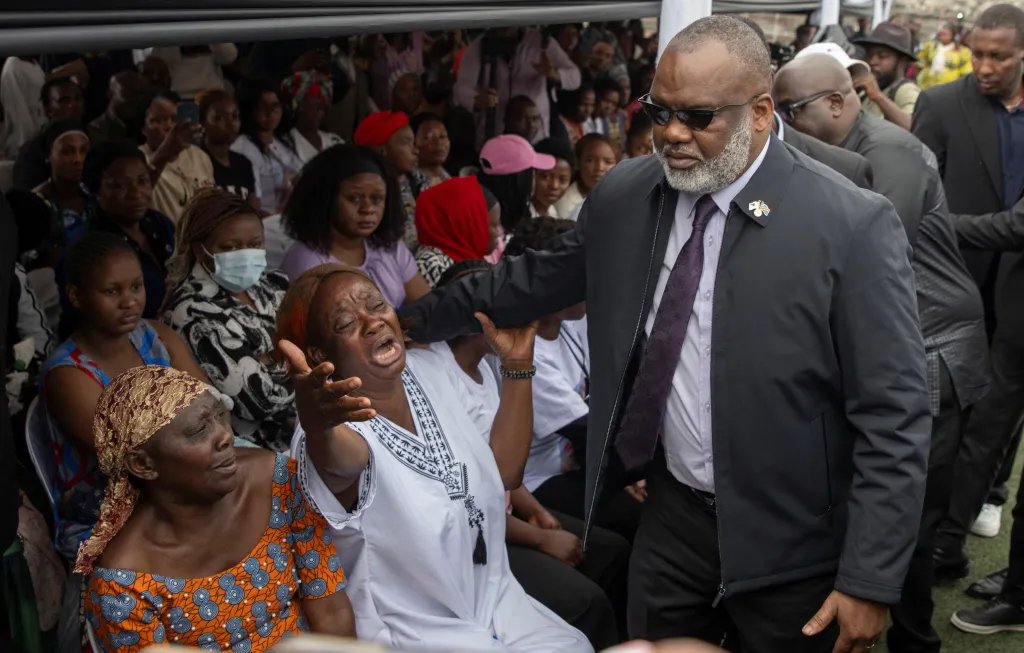
AFC leader Corneille Nangaa consoles relatives of casualties during a funeral for victims of a drone strike in Masisi territory, in Goma on January 8.
AFC leader Corneille Nangaa consoles relatives of casualties during a funeral for victims of a drone strike in Goma on January 8, 2026. (Photo: Reuters/Arlette Bashizi)

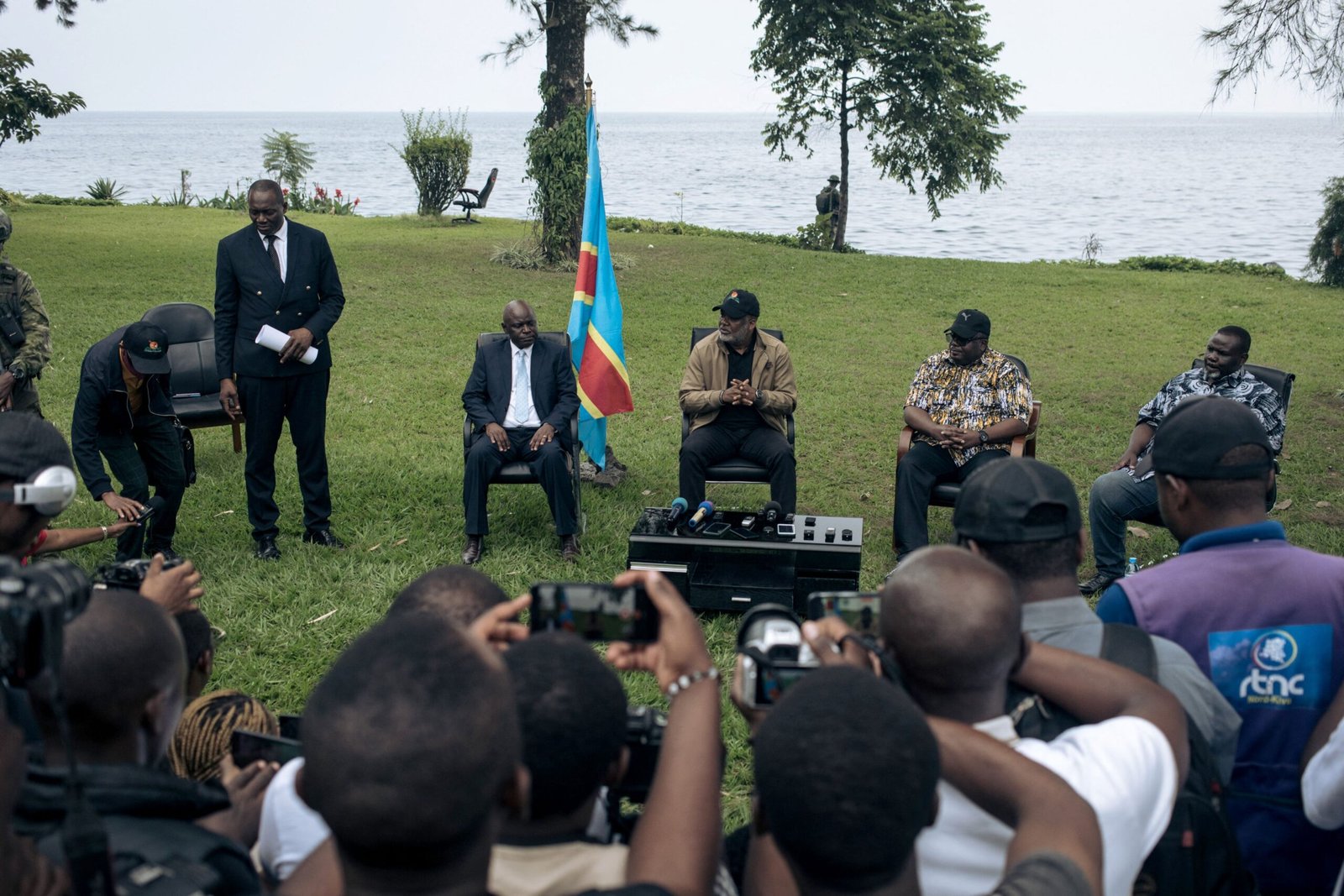
AFC leader Corneille Nangaa promised on January 30, 2025, in his first press conference after taking Goma, that journalists would not be harassed for their work. But his words have rung hollow.

Journalists say the challenges of reporting have multiplied as they are now targeted not only by government forces and their allied Wazalendo militia, but also by the new rebel authorities who use violence and intimidation to ensure favorable coverage.

M23 spokesperson Lawrence Kanyuka instructed staff in at least three Congolese National Radio and Television (RTNC) newsrooms, which were previously government controlled, not to broadcast information from authorities loyal to Kinshasa, three people with knowledge of the situation told CPJ on condition of anonymity, citing fear of reprisals.

“The rebel leaders forced us to play only revolutionary music glorifying the rebellion, to give airtime to the leaders of the rebellion for mobilization and propaganda around their ideology, and to change the programming schedule in favor of the rebellion,” one said.

The station was also forced to start hosting shows in Kinyarwanda, the national language of Rwanda, which is also spoken by minorities in the Kivu provinces, and employees were instructed to wear staff ID cards with the M23 logo, that person said.  

All three told CPJ that to refuse the rebel directives meant risking death.

“When referring to the government of Kinshasa, we are required to use the term ‘illegal and illegitimate power of Tshisekedi,’” said another person, referring to DRC President Felix Tshisekedi.

“We were also asked to suspend programs dedicated to human rights and those featuring civil society actors, including churches not aligned with the rebellion’s cause. We must also speak of the liberation of the Congolese people and not of the rebellion, in order to give the people the image of a revolution rather than terrorism or rebellion.”

Threats, kidnapping, death
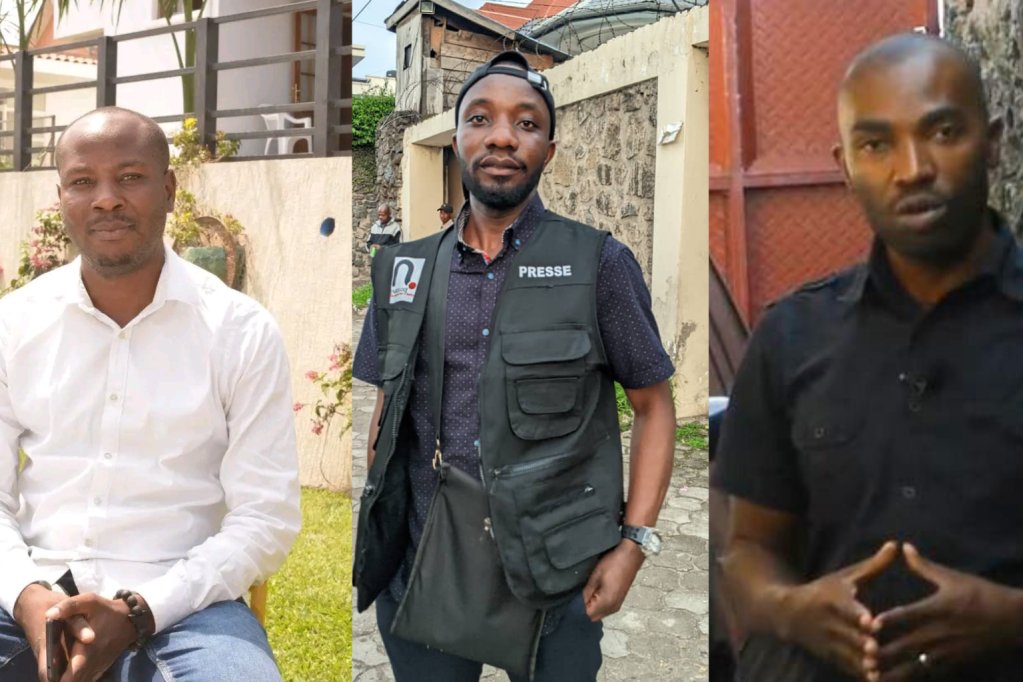
Congolese journalists (from left) Jonathan Mupenda, Jonas Kasula, and Daniel Michombero have received death threats following their coverage of the M23 rebel group’s assault on the Democratic Republic of the Congo’s eastern city of Goma.
Jonathan Mupenda (left), Jonas Kasula, and Daniel Michombero have received death threats for their reporting from Goma. (Photos: Courtesy of Mupenda and Kasula; Screenshot: TV5Monde)

Until it was taken over by the M23 in January 2025, Goma was the capital of North Kivu province, which since 2021 had been under martial law, known officially as a ‘state of siege,’ with the government unable to assert control over dozens of armed groups.

As the rebels advanced, CPJ reported on the threats received by Goma-based journalists Jonas Kasula, Jonathan Mupenda, and Daniel Michombero and the rebels’ 11-day detention of state-owned RTNC’s provincial director Tuver Wundi soon after they took the city.

CPJ can also confirm the following incidents: 
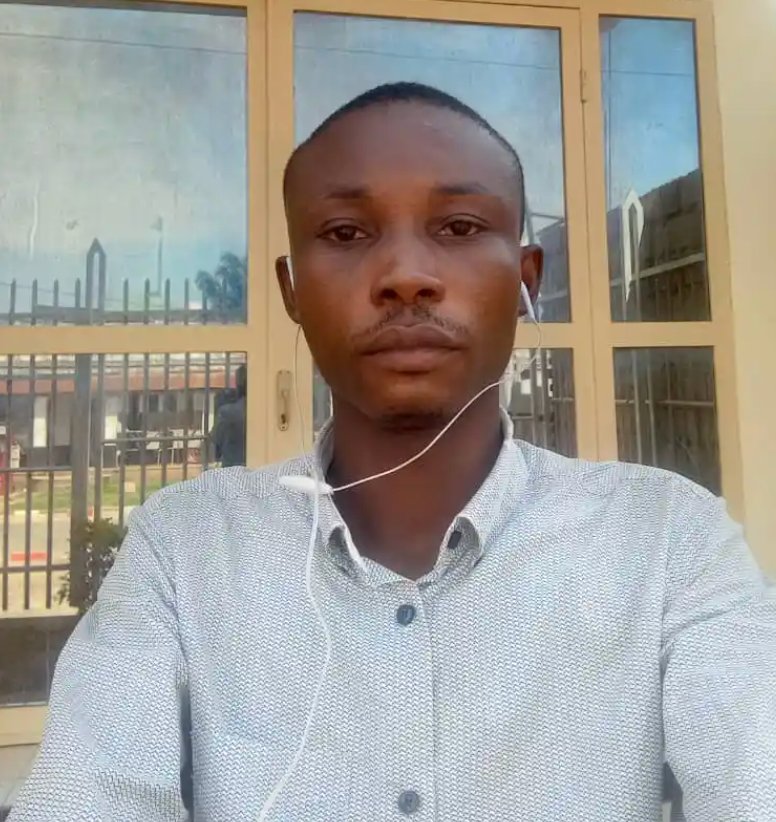
Cléophas Kyembwe Babu Bumba
Cléophas Kyembwe Babu Bumba (Photo: Courtesy of Cléophas Kyembwe Babu Bumba)
  • On January 9, 2025, three armed rebel soldiers in Uvira sought to arrest Cléophas Kyembwe Babu Bumba for publishing and sharing an interview with a Wazalendo leader on YouTube-based Lumière Média TV, two people familiar with the situation told CPJ on condition of anonymity, citing fear of reprisals.

The rebels searched Kyembwe’s home and threatened his wife, forcing him into hiding. In December, he published a second interview with the militia leader, leading the M23 to renew their search for him. Lumière Média TV is produced by La Cloche, a fact-checking project whose website Kyembwe manages. 

  • On January 31, 2025, Goma-based Marie Noël Kabuya, news director of the privately owned Mishapi Voice TV, sought refuge at a U.N. base after she received phone calls from unknown people who threatened to kill her for having produced reports deemed favorable to government forces. Kabuya told CPJ that she moved to a safer location but rebels kept searching for her and raided her Goma home on July 8, taking her vehicle.
  • On August 5, Fiston Wilondja Mazambi was found dead in a pool of blood with a rope around his neck in Bukavu, which was captured by the M23 in February.

Wilondja’s wife told CPJ that rebels had kidnapped him the day before, after searching for him at home the previous week, complaining about his reporting. Wilondja had been investigating illegal gold mining with Pacifique Muliri, who went into hiding in July after his house was raided and he was threatened with death over their reporting.

  • On December 8, rebel soldiers attacked a journalist in Bukavu, who requested not to be named, citing fear of reprisals, while interviewing street vendors about the high cost of living.

“Three rebel soldiers confiscated my camera by shoving me to the ground. After trampling me with their boots, they told me not to talk about it in the media if I want to live,” the journalist told CPJ.

  • On December 28, rebel intelligence agents in Goma detained Blaise Basabose, a reporter for the privately owned Kivu Morning Post, for 24 hours over his YouTube report on food donated by President Tshisekedi’s wife to Congolese refugees in neighboring Burundi, another journalist told CPJ on condition of anonymity, citing fear of reprisals. Local journalist Michombero posted about it on X.

David Honneur Safari's right thigh was injured while in M23 detention.
Safari’s thigh was injured in detention. (Photo: David Honneur Safari)
David Honneur Safari
David Honneur Safari (Photo: Courtesy of David Honneur Safari)
  • On December 28, M23 soldiers kidnapped David Honneur Safari, a reporter for the privately owned laprunellerdc.cd, in Bukavu, and accused him of investigating and reporting critically about them, the journalist told CPJ. Safari was released on December 31, on the outskirts of the city in critical condition due to mistreatment.

The local rights group Partnership for Integrated Protection (PPI) reported that Safari had been accused of trying to tarnish the image of the AFC/M23 and its allies and of being “used” by Nobel Peace Prize laureate Denis Mukwege, who has denounced rebel abuses.

No work, constant anxiety for exiled journalists

Despite peace agreements signed in Washington D.C. and Doha in late 2025, fighting continues. The M23/AFC control the largest area a rebel group in the DRC has held for more than two decades, with some, like Nangaa, vowing to march all the way to Kinshasa.

Journalists told CPJ that their forced displacement, loneliness, and uncertainty about the future weighed heavily on their minds.

“We have no work permits, no equipment, no institutional support, which deprives us of any source of income. This situation deeply affects our dignity and morale,” said one.

“We live in constant anxiety for our families who remained in the country or are scattered across different countries,” said another exiled journalist.

CPJ’s requests for comment sent via messaging app to Kanyuka did not receive a reply, while M23 spokesperson Willy Ngoma replied with a greeting, but nothing further.  

Read the full article here

Fact Checker

Verify the accuracy of this article using AI-powered analysis and real-time sources.

Get Your Fact Check Report

Enter your email to receive detailed fact-checking analysis

5 free reports remaining

Continue with Full Access

You've used your 5 free reports. Sign up for unlimited access!

Already have an account? Sign in here

Share. Facebook Twitter Pinterest LinkedIn Tumblr Email Telegram Copy Link
News Room
  • Website
  • Facebook
  • X (Twitter)
  • Instagram
  • LinkedIn

The FSNN News Room is the voice of our in-house journalists, editors, and researchers. We deliver timely, unbiased reporting at the crossroads of finance, cryptocurrency, and global politics, providing clear, fact-driven analysis free from agendas.

Related Articles

Global Free Speech

Cuban journalist forced to flee island to Brazil following threats by state agents

5 hours ago
Global Free Speech

CPJ urges Morocco to end press surveillance following Amnesty report 

9 hours ago
Global Free Speech

          As news broke that 84,270 people, including more than 32,000 children, had been affected by Nepal’s catastrophic floods, one visual offered something the world desperately needed in the moment: hope. The video shows a little girl, buried under thick mud, being is rescued by Nepal’s emergency teams. Instinctively, the viewer roots for her as rescuers carry her to safety, wrapping her shivering body in a red shawl. But the most moving moment of the video comes towards the end. The girl is sitting motionless in a relief camp, an officer feeding her warm soup. As the camera lingers on her face, a faint smile almost begins to show. It is the kind of image that can offer the viewer respite from the horrors of a humanitarian crisis. The video rapidly spread rapidly across all social media platforms, with commentators calling it a miracle. Of sorts. In fact, it was an AI miracle. Agence France-Presse (AFP) Fact Check’s investigation led them to an India-based creator, who admitted creating the video with the help of AI-generative tools. His justification was disarmingly straightforward: emotionally engaging visuals perform well online. This was just one of the many digitally-manufactured “miracles” put into social media heavy rotation during the floods. Another clip, showing a bridge collapsing into floodwaters swallowing vehicles and human lives, seemed to have been lifted straight out of a Roland Emmerich disaster film. The video racked up more than 2 million views on X before it was debunked as AI-generated by Factly. What made this social media post stand out for me was the identity of one of the people sharing it – an experienced news editor. The post, still pinned on his X profile and with more than 2 million views, suggests that even experienced newsroom decision-makers could be fooled by synthetic disaster footage – or, worse still, be untroubled about the veracity of such videos. Both videos incorporate the visual language of short films, but were not released in cinemas or on Netflix. They surfaced on Facebook, X and Instagram, even as emergency teams continued to search for the thousands of people that went missing after a glacial collapse triggered devastating floods in Nepal and Tibet on August 26. Even as survivors photographed authentic eyewitness footage, synthetic visuals emerged alongside them. The floods became one of the first major climate disasters in South Asia where documentation and fabrication coexisted in the same visual ecosystem.     Screenshot of debunked Nepal floods footage “During earlier disasters, our primary challenge was identifying old footage, establishing where a video was recorded and determining whether it was being presented in the correct context,” Saurabh Shukla told Index. Shukla is founder and editor-in-chief of NewsMobile, an India-based independent media organisation that debunks AI-related deepfakes and focuses on verified information. “The biggest difference today is the sheer speed at which fabricated and misleading visuals entered the information ecosystem,” Shukla said. “With generative AI, we now have an additional challenge – determining whether the event depicted in a video ever happened in the first place.” This has fed into a media environment where unverified visuals are disseminated faster than the verified facts reported by journalists. “Speed without verification can amplify confusion, while verification without timely reporting can leave an information vacuum,” Shukla said. “The challenge for newsrooms is to strike the right balance between being fast and being accurate.” The first images of rescue missions in secluded mountainous regions almost always come from locals, and thus forming the spine of disaster reporting. These inevitably blurry and shaky recordings do not have the polished quality of professional news reporting, but do carry something far more consequential: the credibility that comes with eyewitness documentation. These images often shape the core of the collective memory of a tragedy. But in an age of visual manipulation and trickery, that presumption of authenticity no longer holds. Factly conducted 30 fact-checks into coverage of the Nepal floods; fully one-third involved AI-generated visuals. “Beyond checking the location, source, and context of a visual, we also had to establish whether the visual itself was authentic,” Akshay Kumar Appani, lead fact checker and researcher at Factly, told Index. “During breaking disasters, old AI-generated visuals can spread rapidly while being presented as current footage. This makes it harder for journalists to establish the truth. The visual of the miracle child perfectly captured this dilemma. It was designed to evoke an emotional reaction; but it also looked like the kind of footage that journalists hope to find during crisis reporting. The video was vertically filmed. The camera movement was wobbly. The lighting was grainy. The muffled background sound felt believable. The video presented none of the glaring distortions that once made AI interventions easy to spot. Fabricated videos, today, can be produced to mimic the aesthetics of authentic citizen journalism. It was for this precise reason that the floods presented journalists with a crisis that went beyond recognising AI-generated images: they were increasingly obliged to verify whether the footage reaching them was genuine in the first place. Screenshot of video debunked by Factly Newsmobile’s verification process increasingly involves examining individual frames, conducting reverse-image searches, analysing visual inconsistencies and using AI-detection tools where appropriate. “However, detection tools are only one part of the process. We still need corroboration,” Shukla said. “We cannot rely solely on automated detection tools,” Sumit Dubey, South Asia digital verification editor for AFP’s Fact Check vertical, told Index. Fact-checking, he explained, requires going beyond automated outputs: tracing the original source, examining context, verifying metadata, looking for corroborating evidence and, where possible, speaking to relevant sources. “Automated tools are useful indicators, but fact-checking cannot be outsourced to a button,” Dubey said. The proliferation of synthetic media output in the wake of natural disasters is not new. It’s the sophistication of the output that has changed. For years, much of the public conversation around AI manipulation centred on faces: celebrity deepfakes, altered political speeches and fabricated portraits. The Nepal floods flipped that narrative. Almost every fabricated clip featured rivers, glaciers, collapsing hillsides, dams, flooded valleys or stranded animals. “AI-generated environmental content poses a different problem: [the] tells are failures of physics rather than anatomy,” Mahsa Alimardani told Index. Alimardani is associate director for technology threats and opportunities at Witness, a global organisation helping people use video and technology to protect and defend human rights This explains why the Nepal videos were so plausible. The miracle girl video wasn’t believable just because of her facial expressions. It was convincing because the sludge moved convincingly, because the choreography resembled actual emergency rescues, because the emotional tonality seemed genuine. “Most post-hoc detection tools were designed for content featuring physical characteristics, and they currently struggle significantly with environmental and disaster content,” Bruna Martins dos Santos – policy and advocacy manager, Witness Technology Threats and Opportunities – told Index. “Journalists might also struggle because many tools have limited capabilities to identify synthetic content generated elsewhere,” she said. Another emerging trend is the increasingly complicated role of Big Tech itself in detecting and labelling fake generative-AI content. Some of the clearest AI verdicts came from detection tools built by the very same companies whose models created the same fakes. Three weeks after the US state of California and the EU mandated the requirement for greater transparency with respect to AI-generated content, Witness and Indicator tested thirteen major AI providers. They found that seven had no public detector at all. “The capability to identify synthetic content partly existed. The governance around it did not,” Alimardani said. When both authentic and synthetic content circulate in disaster situations, the biggest challenge that journalists face is that of establishing truth amidst widespread public uncertainty and doubt. According to Martins dos Santos, “Journalists and local fact-checkers can face immense time pressure, often wasting scarce resources re-detecting the same recycled disaster footage across multiple platforms and languages.” The greatest danger emerging from Nepal may not be that people believed the fake videos. It may be that they have begun to doubt the real ones. Shukla’s concern is that people may stop trusting visual evidence altogether. “Imagine a situation where genuine footage of a disaster emerges, but people dismiss it as AI-generated. Facts become secondary to perception.” Within days of the floods, even authentic CCTV footage from the Gyirong border was being perceived as AI-generated, prompting fact-checkers to establish that the scenes it depicted were real. This exposed a troubling issue: even authentic visuals can no longer be taken at face value. Martins dos Santos told Index that the phenomenon has a name: “Liar’s dividend”, whereby the mere existence of convincing synthetic content allows bad actors to dismiss genuine, damaging evidence as fake simply by claiming it was AI-generated. This means that genuine footage is no longer accorded credibility immediately; it may first be perceived with suspicion. “This means a video may look completely authentic and still be fabricated. Conversely, genuine footage can contain compression artefacts that make it appear suspicious,” Shukla warned. Appani, for his part, noted that synthetic media doesn’t merely affect verification in real time. It also reshapes collective memory. “Widely circulated synthetic or recycled footage may eventually be remembered as genuine imagery from the disaster. Generative-AI could therefore affect not only how disasters are verified in real-time, but also how they are documented and remembered in the future.”The Nepal floods left destruction in its wake, and also a warning for journalists covering climatic disaster. The defining challenge of disaster reporting is no longer capturing the first image, but establishing which image the world can trust. In Shukla’s words: “For fact-checkers, the challenge is not just determining whether a video is real. It is establishing whether it actually belongs to the event it claims to depict.” READ MORE

10 hours ago
Global Free Speech

CPJ, partners call on Malta to ensure broad consultation on draft media reform bill 

12 hours ago
Global Free Speech

Hong Kong journalist Tang Ho-wing arrested in latest sedition case

1 day ago
Global Free Speech

Taliban shut down 3rd Shiite-centered media outlet in 4 months in Afghanistan

1 day ago
Add A Comment

Comments are closed.

Editors Picks

Justin Wolfers Recognizes His “Libertarian Friends Were Right” About Government Power

38 minutes ago

LATAM Stablecoin Liquidity May Rely on Few Providers

57 minutes ago

Reddit Is Killing RSS Feeds and Public API Access to Fight AI Scrapers

58 minutes ago

We Demand More Information on How Marin Cops Illegally Shared Flock ALPR Data

2 hours ago
Latest Posts

The Metric Is Not The Mission: The Digital Climate

2 hours ago

When Judges Pick Their Law Clerks As Replacements

2 hours ago

Evernorth Wins Shareholder Vote for Nasdaq XRP Treasury Listing

2 hours ago

Subscribe to News

Get the latest news and updates directly to your inbox.

At FSNN – Free Speech News Network, we deliver unfiltered reporting and in-depth analysis on the stories that matter most. From breaking headlines to global perspectives, our mission is to keep you informed, empowered, and connected.

FSNN.net is owned and operated by GlobalBoost Media
, an independent media organization dedicated to advancing transparency, free expression, and factual journalism across the digital landscape.

Facebook X (Twitter) Discord Telegram
Latest News

Happy Opt Out October! Let’s Find Real Alternatives to the Tech Giants

33 minutes ago

Justin Wolfers Recognizes His “Libertarian Friends Were Right” About Government Power

38 minutes ago

LATAM Stablecoin Liquidity May Rely on Few Providers

57 minutes ago

Subscribe to Updates

Get the latest news and updates directly to your inbox.

© 2026 GlobalBoost Media. All Rights Reserved.
  • Privacy Policy
  • Terms of Service
  • Our Authors
  • Contact

Type above and press Enter to search. Press Esc to cancel.

🍪

Cookies

We and our selected partners wish to use cookies to collect information about you for functional purposes and statistical marketing. You may not give us your consent for certain purposes by selecting an option and you can withdraw your consent at any time via the cookie icon.

Cookie Preferences

Manage Cookies

Cookies are small text that can be used by websites to make the user experience more efficient. The law states that we may store cookies on your device if they are strictly necessary for the operation of this site. For all other types of cookies, we need your permission. This site uses various types of cookies. Some cookies are placed by third party services that appear on our pages.

Your permission applies to the following domains:

  • https://fsnn.net
Necessary
Necessary cookies help make a website usable by enabling basic functions like page navigation and access to secure areas of the website. The website cannot function properly without these cookies.
Statistic
Statistic cookies help website owners to understand how visitors interact with websites by collecting and reporting information anonymously.
Preferences
Preference cookies enable a website to remember information that changes the way the website behaves or looks, like your preferred language or the region that you are in.
Marketing
Marketing cookies are used to track visitors across websites. The intention is to display ads that are relevant and engaging for the individual user and thereby more valuable for publishers and third party advertisers.