

 Freedom Index

Listen to the article
The Ethereum network, a decentralized layer-1 blockchain that executes smart contracts, is analogous to the open-source operating system Linux, according to Ethereum co-founder Vitalik Buterin.
Linux and Ethereum are both open source and feature custom-tailored implementations. Linux achieves this through developers building custom modifications of software, while Ethereum does it through its layer-2 (L2) scaling networks, Buterin said.
Linux has provided value to “billions” of individuals, enterprises and state governments “without compromising” on its open source ethos or decentralization, Buterin said, adding:
“We must make sure that Ethereum L1 works as the financial, and ultimately identity, social, and governance home for individuals and organizations who want a higher level of autonomy, and give them access to the full power of the network without dependence on intermediaries.”
The analogy highlights the Ethereum Foundation’s long-term goals of making Ethereum an operating system for the Internet that allows for distributed computation, transferring value and risk and reaching consensus on on the Internet.
Related: Ethereum and Solana clash over what blockchain resilience really means
Ethereum has layer-2s for every flavor, but tension persists
There are 127 layer-2 networks within the Ethereum ecosystem at the time of this writing, according to L2Beat.
Critics of Ethereum’s layer-2 scaling approach say that there are too many layer-2 networks, competing with Ethereum and cannibalizing the base layer’s revenue, which plummeted following the Dencun upgrade in March 2024.
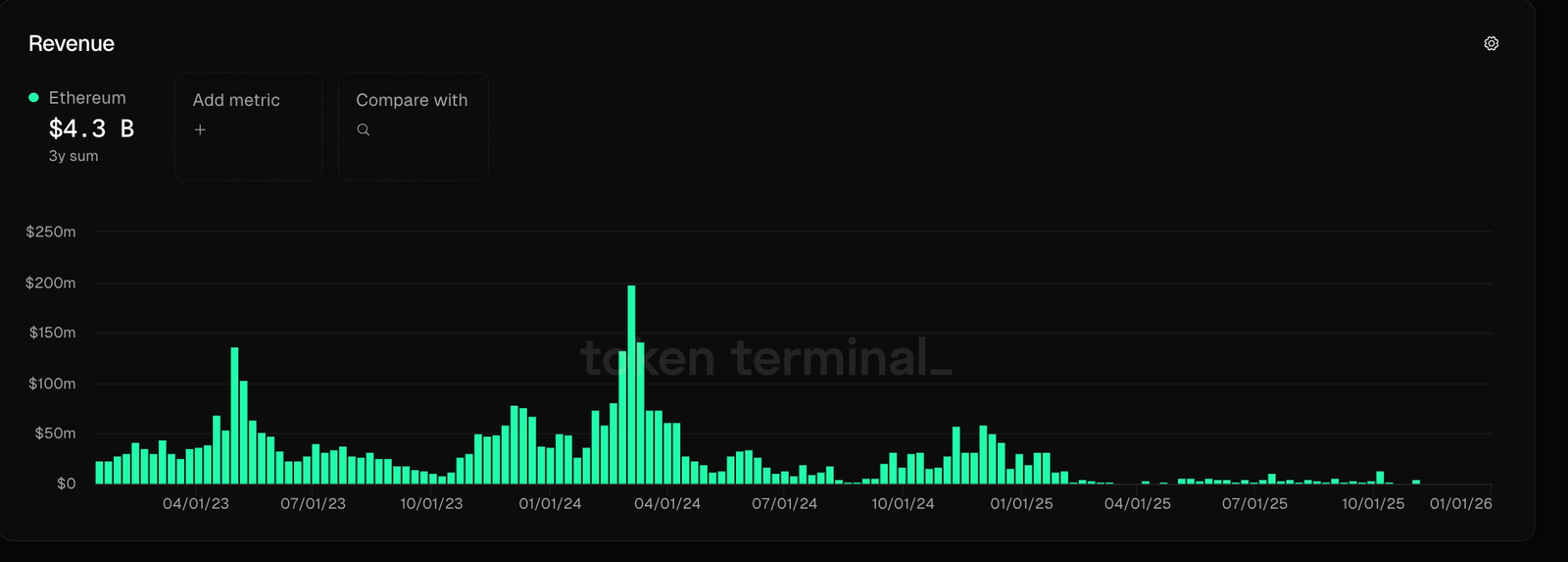
Proponents of Ethereum’s scaling approach say that the diverse ecosystem of layer-2 networks gives Ethereum users optionality and a better user experience.
The modular scaling strategy potentially allows Ethereum to have many high-throughput chains built on top of the base layer, Anurag Arjun, co-founder of Ethereum L2 Polygon, told Cointelegraph.
“The under-appreciated beauty of this rollup-centric roadmap architecture is that it allows multiple teams to experiment with different execution environments and different block times,” Arjun said.
However, a torrent of high-throughput chains without true blockchain interoperability will lead to greater ecosystem fragmentation, trapping user liquidity within isolated pools and giving users a worse experience, Arjun told Cointelegraph.
Magazine: How Ethereum treasury companies could spark ‘DeFi Summer 2.0’
This interview has been edited and condensed for clarity.
Read the full article here
Fact Checker
Verify the accuracy of this article using AI-powered analysis and real-time sources.