Close Menu
FSNN | Free Speech News NetworkFSNN | Free Speech News Network
  • Home
  • News
    • Politics
    • Legal & Courts
    • Tech & Big Tech
    • Campus & Education
    • Media & Culture
    • Global Free Speech
  • Opinions
    • Debates
  • Video/Live
  • Community
  • Freedom Index
  • About
    • Mission
    • Contact
    • Support
Trending

Brickbat: Partners in Crime

12 minutes ago

Myanmar junta denies journalist Sai Zaw Thaike medical care, adding to pattern of prison abuse

24 minutes ago

Pudgy Penguins, BAYC rally masks a shrinking NFT market as volumes and users fall

42 minutes ago
Facebook X (Twitter) Instagram
Facebook X (Twitter) Discord Telegram
FSNN | Free Speech News NetworkFSNN | Free Speech News Network
Market Data Newsletter
Monday, April 27
  • Home
  • News
    • Politics
    • Legal & Courts
    • Tech & Big Tech
    • Campus & Education
    • Media & Culture
    • Global Free Speech
  • Opinions
    • Debates
  • Video/Live
  • Community
  • Freedom Index
  • About
    • Mission
    • Contact
    • Support
FSNN | Free Speech News NetworkFSNN | Free Speech News Network
Home»News»Media & Culture»G.M. Takes $1.6 Billion Loss After Electric Vehicle Subsidy Goes Away
Media & Culture

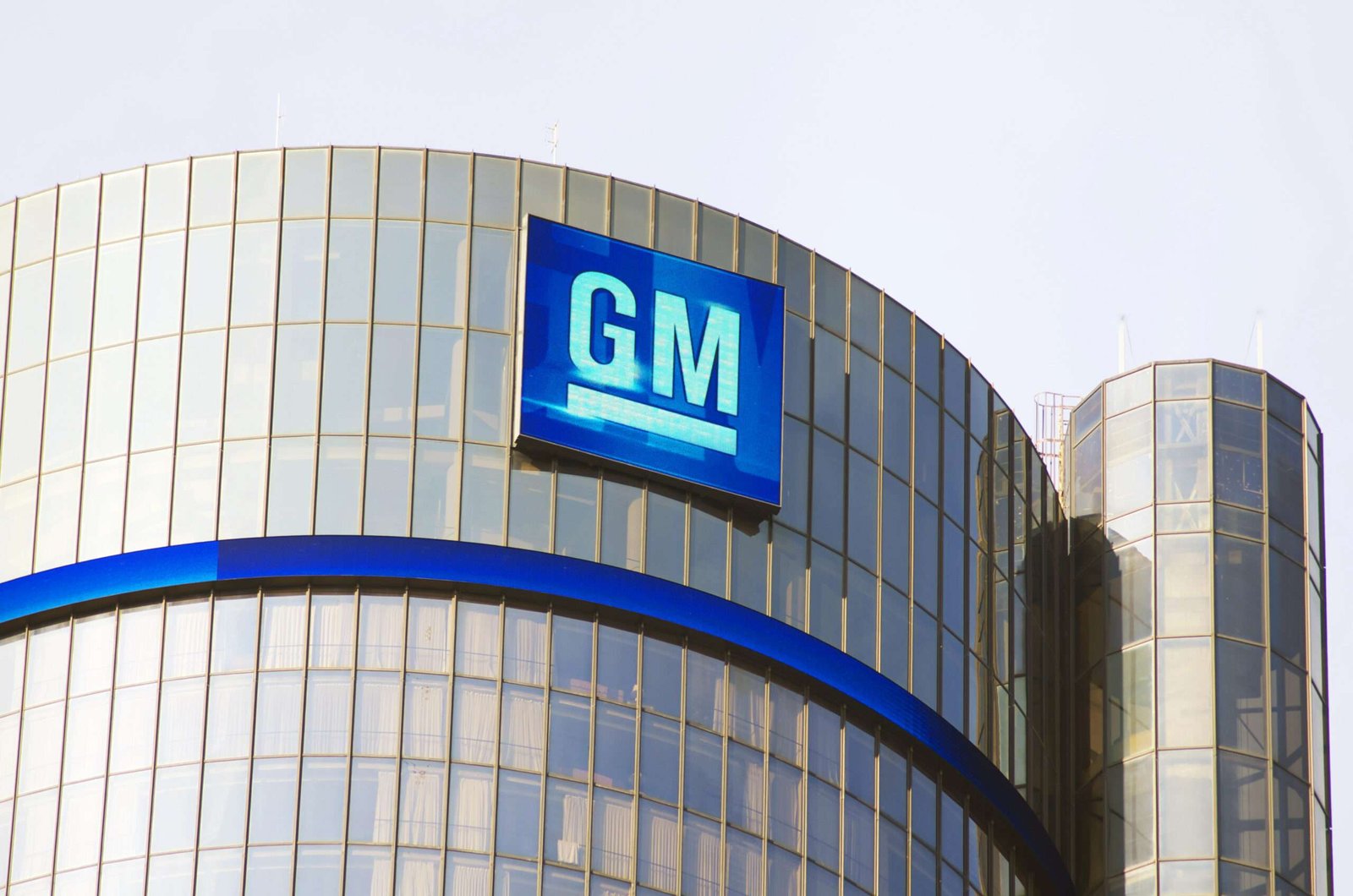
G.M. Takes $1.6 Billion Loss After Electric Vehicle Subsidy Goes Away

News RoomBy News Room6 months agoNo Comments4 Mins Read1,836 Views
Share Facebook Twitter Pinterest Copy Link LinkedIn Tumblr Email VKontakte Telegram
G.M. Takes .6 Billion Loss After Electric Vehicle Subsidy Goes Away
Share
Facebook Twitter Pinterest Email Copy Link

Listen to the article

0:00
0:00

Key Takeaways

Playback Speed

Select a Voice

Sales of electric vehicles (E.V.s) surged in August and September as buyers took advantage of a federal tax credit before it expired. Now, automakers expect to sell fewer E.V.s—and lose money on them—for the rest of the year.

It raises the question, Is the American E.V. market just a creation of government policy?

“General Motors said it is reducing its electric-vehicle manufacturing capacity and booking a $1.6 billion charge on its EV business as demand sinks,” reports The Wall Street Journal‘s Sharon Terlep. “In a regulatory filing, the company said that EV sales are expected to fall with the end of government-funded subsidies and regulatory mandates that fueled EV growth.”

This was a monumental shift within just a few years: In 2021, General Motors CEO Mary Barra announced the auto giant would phase out all gas-burning vehicles by 2035.

Under the Biden administration, the Environmental Protection Agency (EPA) adopted emissions rules that would effectively require more than half of all new vehicles produced by 2032 to be electric. The agency rescinded those rules in March, after President Donald Trump reentered office.

In September, Congress ended a Biden-era program providing a $7,500 tax credit for purchasing an electric vehicle. Motorists apparently flocked to dealerships ahead of the program’s sunset date, but analysts expected demand to plummet once the credit went away. “The demise of the tax credit will probably bring the party to an end,” Neal E. Boudette wrote last month in The New York Times. “Sales of electric models are expected to plummet in the last three months of the year and then remain sluggish for some time.”

To be clear, slow electric vehicle sales are not General Motors’ only problem, or even the biggest drag on its profits: The tariffs Trump has imposed by fiat are hurting the automaker’s bottom line, as well. As Terlep noted, the $1.6 billion E.V. charge “comes on top of an estimated $4 billion to $5 billion that GM projects it will pay in tariff-related costs this year.” Just in the second quarter of this year, Ford Motor Co. paid $800 million in tariffs and posted its first quarterly financial loss since 2023.

Still, General Motors’ announcement supports the concern that without infusions of taxpayer money, E.V.s are not entirely viable on their own. It’s no wonder, since they have not been driven by consumer preference.

From the start, the Biden-era rules prioritized all-electric vehicles over hybrids, which the EPA estimated would account for only 16 percent of all new vehicles sold by 2032. (For comparison, it estimated there would still be nearly twice that many cars with internal combustion engines.) But consumers have made it clear that if they get rid of their gas-burning cars, they’re more comfortable with a hybrid than an electric.

“While EV sales are growing, their pace is falling well short of the industry’s ambitious timetable for transitioning away from combustion engines,” Tom Krisher of the Associated Press reported in 2023. “Instead, buyers are increasingly embracing a quarter-century-old technology whose popularity has been surging: The gas-electric hybrid, which alternates from gas to battery power to maximize efficiency.”

In its 2024 annual consumer survey, the American Automobile Association (AAA) found similar results: While only 18 percent of respondents said they were likely to buy an electric, 31 percent were open to a hybrid.

“Access to a hybrid vehicle lessens the anxiety for consumers because it allows people to enjoy the benefits of electrification without feeling like they are disrupting their current lifestyle or travel plans (longer distance driving, less charging options, etc.),” AAA noted of its findings.

Even though federal incentives have nudged them in other directions, automakers have tried to follow consumer sentiment. In August 2024, Ford announced it was shifting focus from electrics to hybrids. The automaker had separated its production lines into traditional and electric divisions just two years earlier, and since then, “Ford’s electric vehicle division has lost $12 billion, including $2.2 billion in the first half of this year,” the Times reported in August.

In January 2024, Toyota chairman Akio Toyoda predicted all-electric vehicles would only ever make up about 30 percent of the total automotive market. Instead, Toyoda advocated a “multi-pathway approach” to cutting carbon emissions on the road, and said “customers, not regulations or politics,” should drive innovation.

Toyoda is right. General Motors followed the trend of government rather than consumer sentiment, and now it’s scrambling to adapt when the government changes hands.

Read the full article here

Fact Checker

Verify the accuracy of this article using AI-powered analysis and real-time sources.

Get Your Fact Check Report

Enter your email to receive detailed fact-checking analysis

5 free reports remaining

Continue with Full Access

You've used your 5 free reports. Sign up for unlimited access!

Already have an account? Sign in here

Share. Facebook Twitter Pinterest LinkedIn Tumblr Email Telegram Copy Link
News Room
  • Website
  • Facebook
  • X (Twitter)
  • Instagram
  • LinkedIn

The FSNN News Room is the voice of our in-house journalists, editors, and researchers. We deliver timely, unbiased reporting at the crossroads of finance, cryptocurrency, and global politics, providing clear, fact-driven analysis free from agendas.

Related Articles

Media & Culture

Brickbat: Partners in Crime

12 minutes ago
Media & Culture

What To Do With AI-Generated Legal Scholarship?: Part 2

2 hours ago
Debates

What Really Causes Recessions?

7 hours ago
Media & Culture

Bill Otis (Ringside at the Reckoning) on the SPLC Indictment

7 hours ago
Cryptocurrency & Free Speech Finance

Coachella Uses Google DeepMind AI to Test the Future of Live Entertainment

13 hours ago
Media & Culture

What Do You Do With AI-Generated Legal Scholarship?: An April 2026 Question

13 hours ago
Add A Comment

Comments are closed.

Editors Picks

Myanmar junta denies journalist Sai Zaw Thaike medical care, adding to pattern of prison abuse

24 minutes ago

Pudgy Penguins, BAYC rally masks a shrinking NFT market as volumes and users fall

42 minutes ago

Prediction markets reflect 'wisdom of an informed minority,’ not crowd: Study

48 minutes ago

CPJ urges new Bangladesh government to fulfill poll promise and release imprisoned journalists 

1 hour ago
Latest Posts

What is Paul Sztorc’s Bitcoin hard fork ‘eCash’ and how it affects BTC?

2 hours ago

What To Do With AI-Generated Legal Scholarship?: Part 2

2 hours ago

CPJ calls on Zambian president to champion the media as World Press Freedom Day host

2 hours ago

Subscribe to News

Get the latest news and updates directly to your inbox.

At FSNN – Free Speech News Network, we deliver unfiltered reporting and in-depth analysis on the stories that matter most. From breaking headlines to global perspectives, our mission is to keep you informed, empowered, and connected.

FSNN.net is owned and operated by GlobalBoost Media
, an independent media organization dedicated to advancing transparency, free expression, and factual journalism across the digital landscape.

Facebook X (Twitter) Discord Telegram
Latest News

Brickbat: Partners in Crime

12 minutes ago

Myanmar junta denies journalist Sai Zaw Thaike medical care, adding to pattern of prison abuse

24 minutes ago

Pudgy Penguins, BAYC rally masks a shrinking NFT market as volumes and users fall

42 minutes ago

Subscribe to Updates

Get the latest news and updates directly to your inbox.

© 2026 GlobalBoost Media. All Rights Reserved.
  • Privacy Policy
  • Terms of Service
  • Our Authors
  • Contact

Type above and press Enter to search. Press Esc to cancel.

🍪

Cookies

We and our selected partners wish to use cookies to collect information about you for functional purposes and statistical marketing. You may not give us your consent for certain purposes by selecting an option and you can withdraw your consent at any time via the cookie icon.

Cookie Preferences

Manage Cookies

Cookies are small text that can be used by websites to make the user experience more efficient. The law states that we may store cookies on your device if they are strictly necessary for the operation of this site. For all other types of cookies, we need your permission. This site uses various types of cookies. Some cookies are placed by third party services that appear on our pages.

Your permission applies to the following domains:

  • https://fsnn.net
Necessary
Necessary cookies help make a website usable by enabling basic functions like page navigation and access to secure areas of the website. The website cannot function properly without these cookies.
Statistic
Statistic cookies help website owners to understand how visitors interact with websites by collecting and reporting information anonymously.
Preferences
Preference cookies enable a website to remember information that changes the way the website behaves or looks, like your preferred language or the region that you are in.
Marketing
Marketing cookies are used to track visitors across websites. The intention is to display ads that are relevant and engaging for the individual user and thereby more valuable for publishers and third party advertisers.