Close Menu
FSNN | Free Speech News NetworkFSNN | Free Speech News Network
  • Home
  • News
    • Politics
    • Legal & Courts
    • Tech & Big Tech
    • Campus & Education
    • Media & Culture
    • Global Free Speech
  • Opinions
    • Debates
  • Video/Live
  • Community
  • Freedom Index
  • About
    • Mission
    • Contact
    • Support
Trending

Prediction markets inch closer to the Supreme Court: State of Crypto

41 minutes ago

OpenAI’s GPT-6 Astra Is Shockingly Good at Almost Everything

2 hours ago

Ukrainian police took down a crypto scam that stole up to $1 million a month

3 hours ago
Facebook X (Twitter) Instagram
Facebook X (Twitter) Discord Telegram
FSNN | Free Speech News NetworkFSNN | Free Speech News Network
Market Data Newsletter
Sunday, September 6
  • Home
  • News
    • Politics
    • Legal & Courts
    • Tech & Big Tech
    • Campus & Education
    • Media & Culture
    • Global Free Speech
  • Opinions
    • Debates
  • Video/Live
  • Community
  • Freedom Index
  • About
    • Mission
    • Contact
    • Support
FSNN | Free Speech News NetworkFSNN | Free Speech News Network
Home»News»Media & Culture»What the Democrats Are Doing Right Now Won’t Lower Health Care Costs—but Here’s What Actually Would
Media & Culture

What the Democrats Are Doing Right Now Won’t Lower Health Care Costs—but Here’s What Actually Would

News RoomBy News Room11 months agoNo Comments4 Mins Read2 Views
Share Facebook Twitter Pinterest Copy Link LinkedIn Tumblr Email VKontakte Telegram
What the Democrats Are Doing Right Now Won’t Lower Health Care Costs—but Here’s What Actually Would
Share
Facebook Twitter Pinterest Email Copy Link

Listen to the article

0:00
0:00

Key Takeaways

Playback Speed

Select a Voice

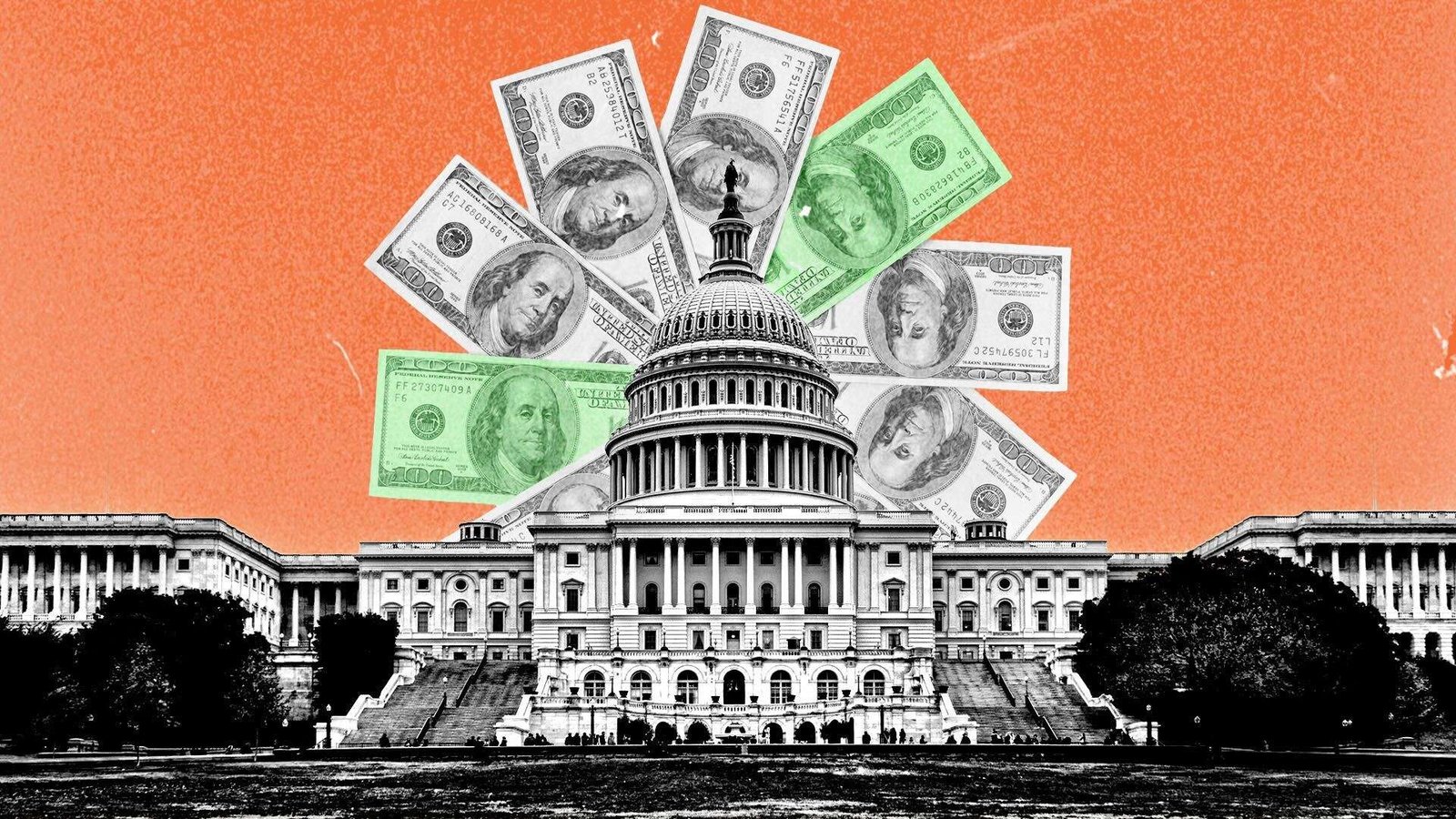
At the heart of the budget standoff that has the government shut down is Democrats’ insistence on extracting a laundry list of policy changes, including locking in the supposedly temporary, COVID-19–era expansion of Obamacare premium tax credits (or “Biden COVID-19 credits”). In essence, Democrats think the best way to lower health care costs is to direct more funding to insurance companies. This idea could not be more wrong. The credits are costly, poorly targeted and riddled with fraud, and do nothing to stop rising premiums.

Start with the price tag. Based on Congressional Budget Office (CBO) estimates, permanently extending the Biden COVID-19 credits would cost about $410 billion, including interest, over the next decade. Total spending over 10 years would amount to $488 billion. Funds would go straight to insurance companies to mask the real cost of coverage.

And let’s be clear: Those insurance premiums are rising for reasons subsidies can’t fix. According to the Economic Policy Innovation Center’s Gadai Bulgac, insurers themselves say individual-market premiums are on track to rise by roughly 18 percent in 2026, driven by the familiar culprits: soaring medical care costs, nurse and physician shortages, expensive specialty drugs like Ozempic, an aging population, wider use of high-end diagnostics, new tariffs on pharmaceuticals, and the lingering effects of inflation.

Independent reviews attribute well over half of this increase to medical cost pressures alone, with roughly 20 percent tied to tariffs and other macroeconomic factors. None of that disappears if Congress continues mailing outsized checks to insurers. Subsidies don’t cut costs; they hide them, shifting the bill from plan enrollees to taxpayers while dulling consumer pressure to demand better value.

There’s also the uncomfortable reality of program integrity. The COVID-19–era expansion coincided with—and helped fuel—improper enrollment and “phantom” coverage. In 2024, nearly 12 million exchange enrollees filed no medical claims at all—not a single office visit, test or prescription. Insurers still pocketed taxpayer subsidies on their behalf. Among those in fully subsidized, high-value plans, about 40 percent had zero claims. Some $35 billion in 2024 subsidies was paid out to insurers for coverage of people who never used their plans.

In 2025, improper enrollments are projected to reach 6.4 million—roughly one-quarter of exchange participants—at a federal cost of about $27 billion. Much of this stems from brokers automatically enrolling people into zero-premium plans, or reenrolling them without verification, because the system rewards quantity over accuracy.

Even on its own terms, Democrats’ planned credit expansion is a costly way to buy small gains in coverage. The CBO estimates that extending the Biden COVID-19 credits would increase the insurance rolls by about 3.8 million people in 2035. Subsidies for each “newly insured person” would cost taxpayers an average of $10,000, rising to more than $11,500 by 2035. Many would have alternate coverage, but with insurance coming at public expense, employers drop job-based plans and push workers onto the exchanges.

Here are four types of reforms that would actually help.

Let the pandemic add-on expire as planned. The original Obamacare subsidies will remain, and taxpayers will still cover most of the premiums for low- and moderate-income enrollees.

Address the root causes of high costs. Expand the supply of care by modernizing scope-of-practice rules to reflect what nurses and physicians’ assistants do well. Adopt site-neutral payments to even out billing in different settings. Remove tariffs and trade barriers that raise drug and equipment costs. Speed approval of biosimilar and generic drugs.

Restore the exchanges’ integrity. End the auto-enrollments without verification, reconcile advance credits promptly, and recover improper payments.

Bring back consumer pressure and patient choice. That means improving price transparency and expanding access to more affordable alternatives such as association health plans and short-term renewable policies.

If Congress insists on the Obamacare framework, it should focus on transparent, cost-effective reforms like these rather than inflating premium subsidies. It has the power to both lower premiums and reduce total subsidy costs, particularly if paired with deregulatory reforms for marketplace plans.

Finally, let’s dispense with fearmongering. The beneficiaries of the Biden-era sweeteners were higher-income households, including families earning more than four times the federal poverty level, some in the top 10 percent of earners and, in certain states, households bringing in more than $500,000. The original and large Obamacare subsidies aren’t going anywhere, low-income households will still receive large tax credits, and many will continue paying little or nothing for coverage.

Democrats are holding government funding hostage to maintain the Biden COVID-19 credits. The subsidies are not going toward training new doctors or nurses, manufacturing more MRI machines, or lowering hospital prices. Why deepen deficits to entrench a system that raises premiums and keeps taxpayer money flowing to insurers, including for individuals who never use their coverage?

COPYRIGHT 2025 CREATORS.COM

Read the full article here

Fact Checker

Verify the accuracy of this article using AI-powered analysis and real-time sources.

Get Your Fact Check Report

Enter your email to receive detailed fact-checking analysis

5 free reports remaining

Continue with Full Access

You've used your 5 free reports. Sign up for unlimited access!

Already have an account? Sign in here

Share. Facebook Twitter Pinterest LinkedIn Tumblr Email Telegram Copy Link
News Room
  • Website
  • Facebook
  • X (Twitter)
  • Instagram
  • LinkedIn

The FSNN News Room is the voice of our in-house journalists, editors, and researchers. We deliver timely, unbiased reporting at the crossroads of finance, cryptocurrency, and global politics, providing clear, fact-driven analysis free from agendas.

Related Articles

Cryptocurrency & Free Speech Finance

OpenAI’s GPT-6 Astra Is Shockingly Good at Almost Everything

2 hours ago
Cryptocurrency & Free Speech Finance

XRP Gets Another Boost Through Ripple Deal With Florida Athletics

3 hours ago
Cryptocurrency & Free Speech Finance

Stablecoins Won’t Scale Without Banks

4 hours ago
Media & Culture

Do You Have the Right To Possess an AR-15? The Supreme Court Will Soon Decide.

4 hours ago
Media & Culture

Today in Supreme Court History: September 6, 1983

5 hours ago
Cryptocurrency & Free Speech Finance

This Crypto Project Just Funded 1,000 Student Loans Entirely On-Chain

6 hours ago
Add A Comment

Comments are closed.

Editors Picks

OpenAI’s GPT-6 Astra Is Shockingly Good at Almost Everything

2 hours ago

Ukrainian police took down a crypto scam that stole up to $1 million a month

3 hours ago

XRP Gets Another Boost Through Ripple Deal With Florida Athletics

3 hours ago

Stablecoins Won’t Scale Without Banks

4 hours ago
Latest Posts

Do You Have the Right To Possess an AR-15? The Supreme Court Will Soon Decide.

4 hours ago

Better and Coinbase’s bitcoin-backed mortgages can reuse borrowers’ collateral

5 hours ago

Today in Supreme Court History: September 6, 1983

5 hours ago

Subscribe to News

Get the latest news and updates directly to your inbox.

At FSNN – Free Speech News Network, we deliver unfiltered reporting and in-depth analysis on the stories that matter most. From breaking headlines to global perspectives, our mission is to keep you informed, empowered, and connected.

FSNN.net is owned and operated by GlobalBoost Media
, an independent media organization dedicated to advancing transparency, free expression, and factual journalism across the digital landscape.

Facebook X (Twitter) Discord Telegram
Latest News

Prediction markets inch closer to the Supreme Court: State of Crypto

41 minutes ago

OpenAI’s GPT-6 Astra Is Shockingly Good at Almost Everything

2 hours ago

Ukrainian police took down a crypto scam that stole up to $1 million a month

3 hours ago

Subscribe to Updates

Get the latest news and updates directly to your inbox.

© 2026 GlobalBoost Media. All Rights Reserved.
  • Privacy Policy
  • Terms of Service
  • Our Authors
  • Contact

Type above and press Enter to search. Press Esc to cancel.

🍪

Cookies

We and our selected partners wish to use cookies to collect information about you for functional purposes and statistical marketing. You may not give us your consent for certain purposes by selecting an option and you can withdraw your consent at any time via the cookie icon.

Cookie Preferences

Manage Cookies

Cookies are small text that can be used by websites to make the user experience more efficient. The law states that we may store cookies on your device if they are strictly necessary for the operation of this site. For all other types of cookies, we need your permission. This site uses various types of cookies. Some cookies are placed by third party services that appear on our pages.

Your permission applies to the following domains:

  • https://fsnn.net
Necessary
Necessary cookies help make a website usable by enabling basic functions like page navigation and access to secure areas of the website. The website cannot function properly without these cookies.
Statistic
Statistic cookies help website owners to understand how visitors interact with websites by collecting and reporting information anonymously.
Preferences
Preference cookies enable a website to remember information that changes the way the website behaves or looks, like your preferred language or the region that you are in.
Marketing
Marketing cookies are used to track visitors across websites. The intention is to display ads that are relevant and engaging for the individual user and thereby more valuable for publishers and third party advertisers.